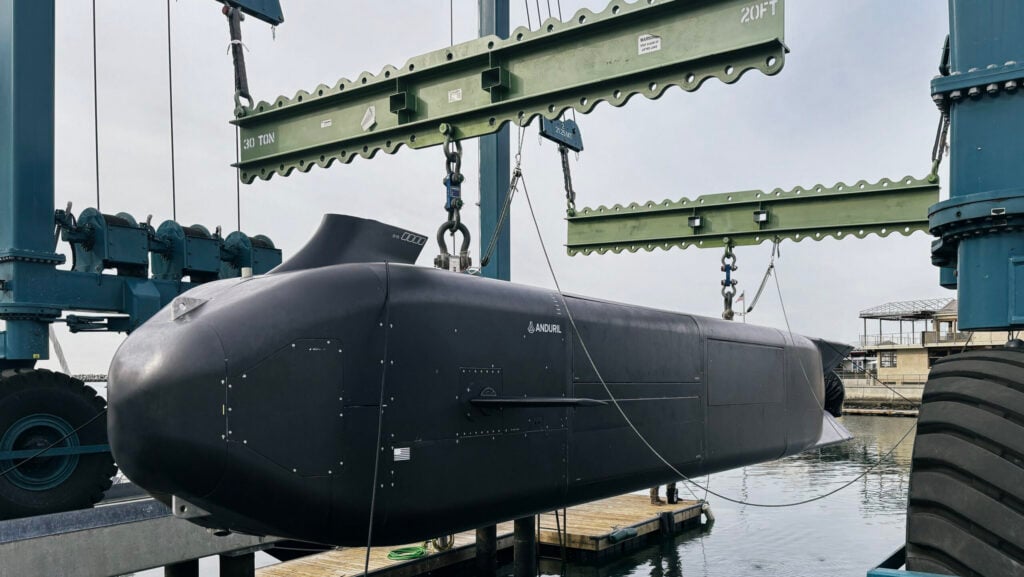
US Navy Partners with Anduril for Autonomous Submarine Prototype Development
The US Navy's collaboration with Anduril on the Dive-XL prototype underscores an escalating race in autonomous underwater vehicle technology, with potential ramifications for regional maritime power dynamics. This joint effort highlights the significant military investments in unmanned systems as defense contours shift globally.
The US Navy has escalated its commitment to unmanned warfare by partnering with Anduril to develop the Dive-XL prototype, an advanced autonomous submarine. This collaboration represents a stark focus on autonomous systems in military operations, signaling a direct shift towards unmanned capabilities as a priority in naval warfare strategies. The Dive-XL will be modeled after the Ghost Shark Extra Large Autonomous Underwater Vehicles (XL-AUVs), which are currently being delivered to the Royal Australian Navy.
Historically, the proliferation of autonomous underwater vehicles (AUVs) has intensified in response to multifaceted threats in maritime domains. As tensions rise in the Indo-Pacific and amidst increasing naval participation from both China and Russia, nations are accelerating the development of advanced naval technologies to secure their waters. The Dive-XL's unveiling could mark a significant pivot in how maritime conflicts could be managed or escalated.
This development is pivotal as it reflects the strategic significance of unmanned vehicles in modern naval confrontations. With the power to conduct extensive surveillance, reconnaissance, and combat missions without risking human lives, the Dive-XL prototype could drastically alter naval engagements. Additionally, the advancements in AUV capabilities may serve as a deterrent against enemy naval assets, increasing the risks of miscalculation in an already volatile maritime domain.
Key players in this space include the United States and Australia, who are not only collaborating militarily but also advancing their technological edge against nations like China, which has also invested heavily in AUV technology. Anduril's inclusion in this project suggests a broader strategy to integrate private defense contractors into significant military projects, harnessing innovative tech from the civilian sector to bolster national security.
Technical specifications for the Dive-XL have not been comprehensively disclosed, but the Ghost Shark XL-AUV is designed for a range of missions with an estimated operational range exceeding 6,000 nautical miles. By leveraging AI algorithms, these systems can autonomously navigate complex underwater environments, engage in critical missions, and provide situational awareness in contested waters.
The likely consequences of this partnership involve rapid advancements in AUV capabilities, mirroring historical defense technology shifts that altered power balances. Should the Dive-XL prototype succeed in operational testing, the United States may further entrench its maritime strategic advantage, while rivals could feel compelled to accelerate their own AUV developments, amplifying arms races in naval warfare.
Such advances in naval technology draw historical parallels to the Cold War era, particularly with the development of submarine warfare capabilities that transformed naval engagement strategies. The stakes are clear: failure to adapt could leave nations vulnerable, as seen during the early days of electronic warfare when technological lag resulted in catastrophic losses.
Looking ahead, defense analysts should closely monitor tests of the Dive-XL prototype and its integration into naval exercises. Intelligence indicators such as procurement expansions by rival nations, changes in AUV technology dissemination, and increased investment in submarine warfare capabilities will signal broader shifts in maritime security dynamics.