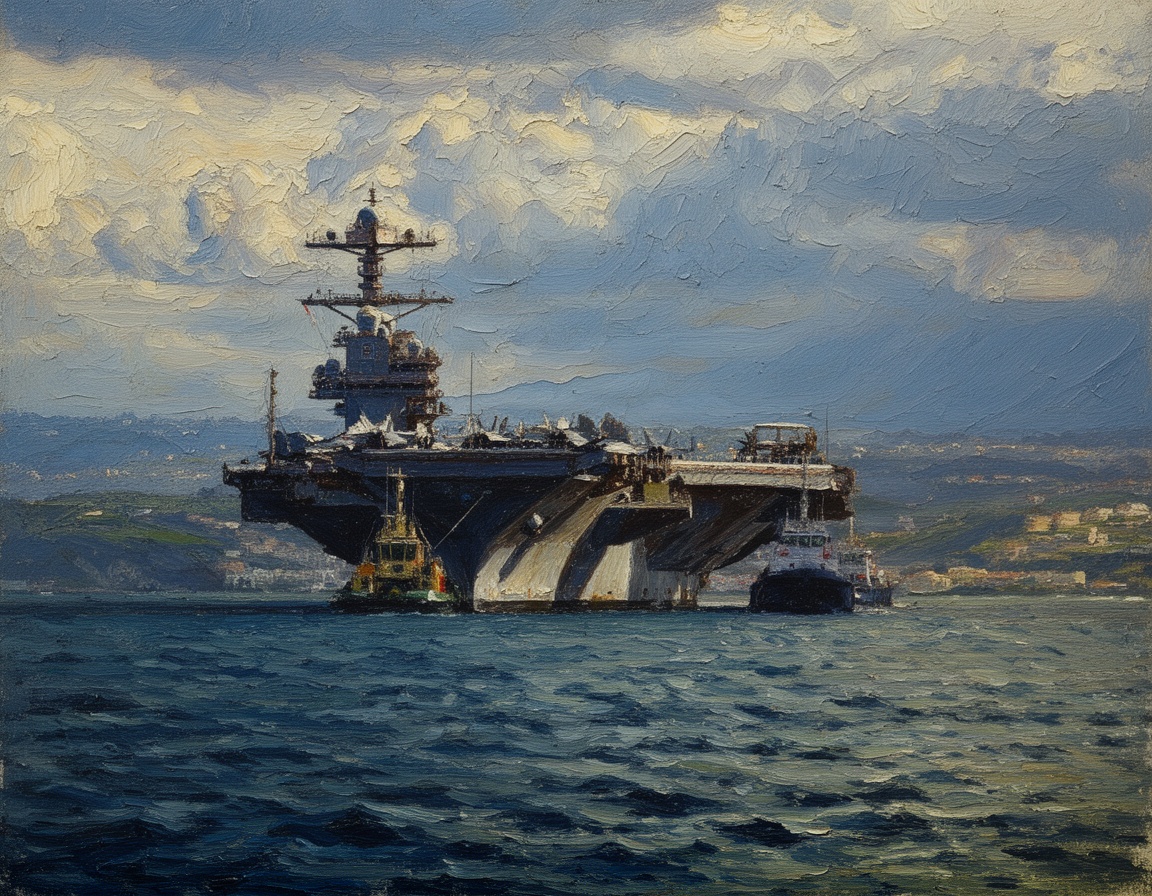
US Navy is reviewing cost of future Ford-class carriers to ensure they ‘make sense’
The US Navy is reviewing the cost-effectiveness of Ford-class aircraft carriers versus Nimitz-class to ensure long-term fiscal and strategic viability. Officials argue the newer design must deliver clear advantages to justify expenses amid budgetary pressures. The review follows leadership changes and ongoing debates over carrier modernization and industrial base health.
The US Navy has initiated a comprehensive review of the cost structure for Ford-class aircraft carriers, aiming to determine whether the higher price tag translates into meaningful strategic benefits. The process will compare lifecycle costs, maintenance requirements, and sortie generation rates against the venerable Nimitz-class hulls. Analysts say the outcome could shape long-term carrier force structure and industrial base planning. The review reportedly centers on whether Ford-class carriers provide decisive advantages in air wing size, sortie tempo, and survivability that justify the premium over Nimitz-class models.
Background: Ford-class carriers were designed to incorporate advanced systems, including an integrated electric drive and advanced weapons handling, in an effort to boost efficiency and reduce manned workload. Critics have long questioned the cost trajectory of the program as procurement prices have risen and certain technologies matured unevenly. Proponents contend the Ford platform reduces crew workload and enhances aircraft readiness, potentially offsetting higher initial outlays over the vessel’s 50-year service life. The budgetary environment for the Navy, facing competing demands, makes a rigorous cost-benefit appraisal essential.
Strategic significance: The verdict on Ford-class affordability carries implications for the US Navy’s power projection and alliance credibility. If Ford-class economics prove unfavorable, Washington could recalibrate its carrier rotation, increase reliance on Nimitz-class hulls, or accelerate investments in alternative platforms such as unmanned aviation or distributed naval power. Allies watch closely for signals on whether the United States intends to sustain sea-control capabilities at current tempo or pursue more modular, cost-attenuated approaches. The outcome will influence broader strategic calculations across the Indo-Pacific and Atlantic theaters.
Technical and operational details: The Ford-class program encompasses the CVN-78 through CVN-80 hulls, each featuring an Electromagnetic Aircraft Launch System (EMALS), Advanced Arresting Gear (AAG), and enhanced radars. Reported cost escalation concerns focus on ship construction, propulsion integration, and long-term sustainment. The Navy will assess sortie generation rate (the number of aircraft missions per day), aircraft compatibility, and maintenance cycles against Nimitz-class platforms, which have demonstrated decades of operational continuity. Budget figures linked to the review are expected to reflect both procurement prices and lifecycle support commitments spanning decades.
Consequences and forward assessment: A favorable cost-to-capability assessment could solidify Ford-class dominance in the carrier fleet, reinforcing the US posture in key theaters. Conversely, a negative verdict may prompt a strategic retreat toward more cost-efficient options or accelerated investments in alternative force multipliers. Regardless of the outcome, the review signals a shift toward stricter affordability discipline in high-value capital ships and could influence allied procurement decisions and joint carrier concepts across the Atlantic and Pacific theaters.