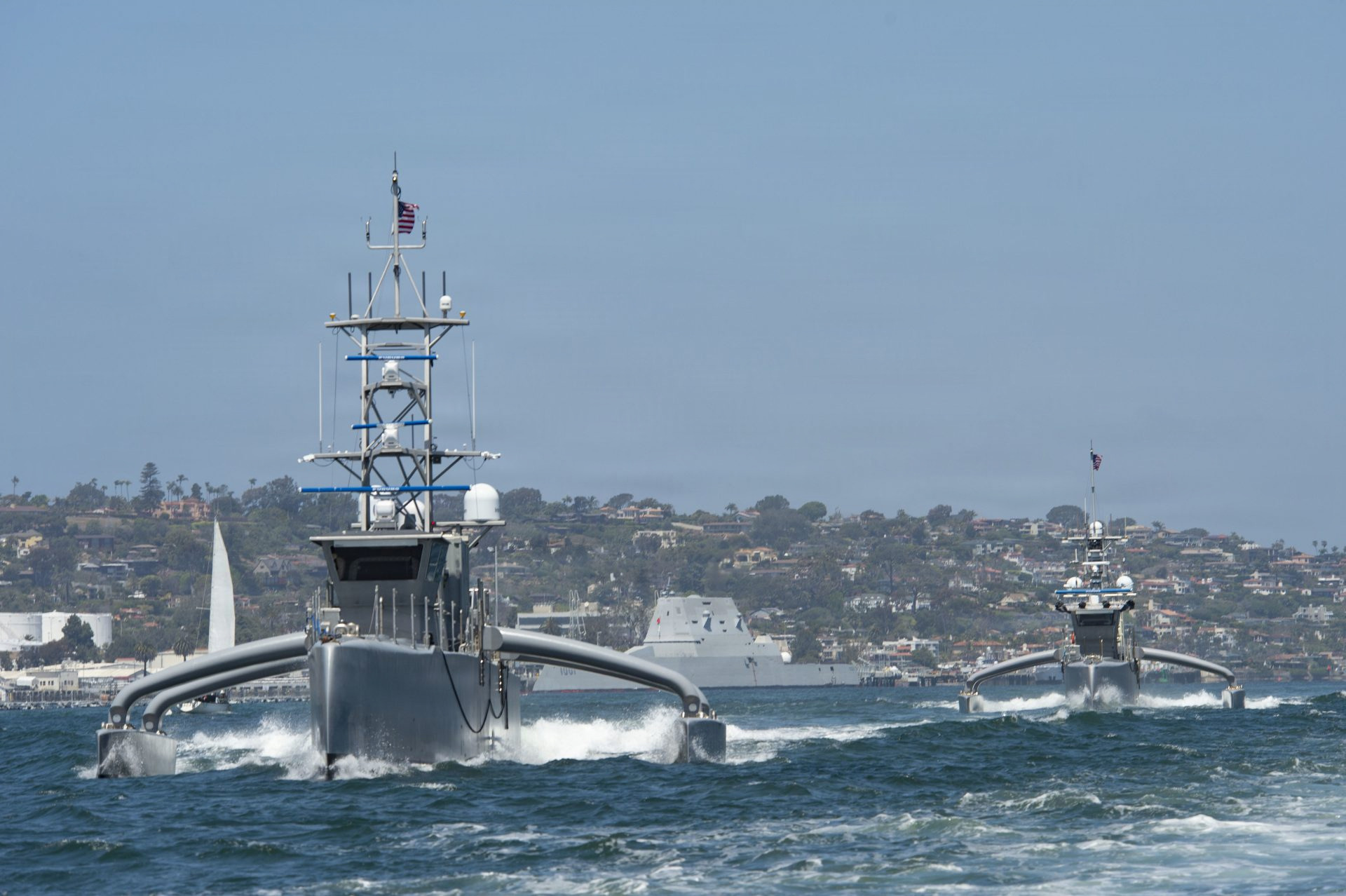
US Navy Ends Old USV Program, Launches New Golden Fleet Project
The US Navy terminates its outdated unmanned surface vessel program and initiates a new production-ready Golden Fleet-era USV project. This signals a strategic pivot toward cutting-edge, mission-capable autonomous surface platforms to maintain naval superiority.
The US Navy has officially ended its previous unmanned surface vessel (USV) program and launched a new initiative branded under the 'Golden Fleet' era. The new program focuses on rapidly fielding production-ready, fully mission-capable USVs designed to support a broad range of naval operations. The transition represents a decisive move to modernize and expand the Navy's autonomous surface warfare capabilities.
Historically, the Navy’s USV efforts faced challenges in progressing from prototypes to operational vessels, limiting their impact on fleet operations. The legacy program, while pioneering, struggled with scalability and full integration into fleet tactics. The new Golden Fleet project aims to overcome these obstacles by prioritizing deployable, combat-ready unmanned surface platforms.
Strategically, the shift evidences the Navy’s acknowledgment of increasing competition from peer adversaries investing heavily in unmanned maritime technology. Autonomous surface vessels offer significant advantages such as extended persistence at sea, risk reduction for personnel, and the ability to operate in contested environments. This program is part of broader defense trends emphasizing unmanned systems to maintain global naval dominance.
Technically, the Golden Fleet USVs are expected to incorporate advanced sensor suites, modular payload capabilities, and improved autonomous navigation systems. The Navy seeks robust production contracts with industry leaders capable of delivering vessels that meet rigorous operational and survivability standards. The initiative also requires seamless integration with existing manned vessels and command architectures.
Looking ahead, the Navy’s aggressive push for mission-capable USVs could accelerate the adoption of unmanned surface platforms across allied navies. It sets a precedent for rapid prototyping followed by swift transition to production, aiming to counter emerging maritime threats. The program will likely drive innovations in remote warfare and reshape naval combat dynamics over the next decade.