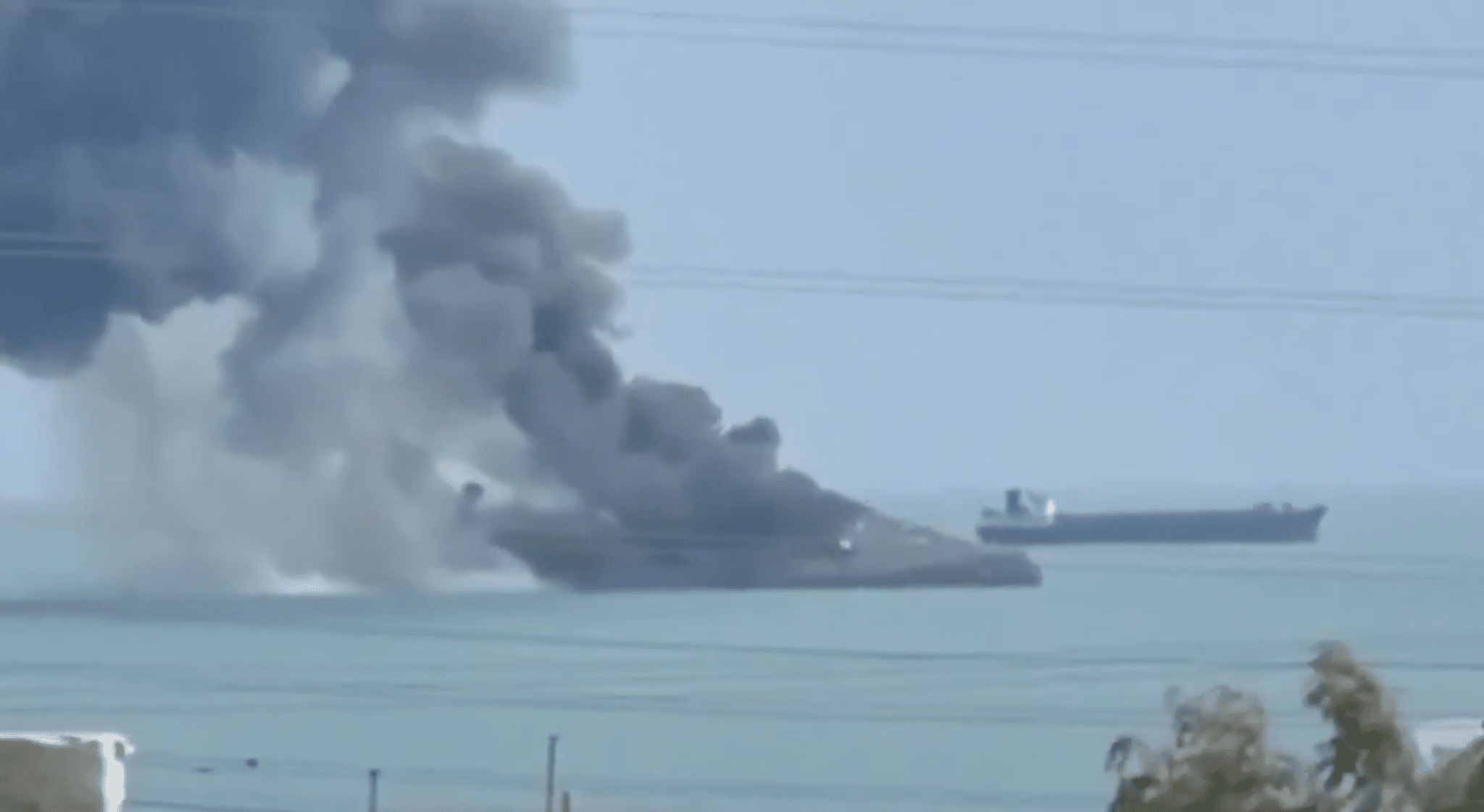
US Navy Destroys Iranian IRIS Haj Qasem Corvette in Gulf Strike
The US Navy's direct strike on Iran's IRIS Haj Qasem underscores escalating tensions in the Gulf. This action marks a significant escalation in US-Iranian military confrontations, heightening regional security risks.
On March 8, 2026, the US Navy executed a strike on the Iranian IRIS Haj Qasem, a Shahid Soleimani-class missile catamaran corvette, while it was anchored off the coast of Bandar Lengeh. This operation, evidenced by publicly circulated imagery confirming the corvette’s identity, further intensifies the already fraught military landscape between the United States and Iran in the vital maritime corridors of the Gulf.
Since 2019, tensions between the US and Iran have escalated dramatically following a series of aggressive maritime incidents and sanctions imposed on Tehran. The US has increasingly sought to curb Iran's influence in the region, particularly in response to attacks against American vessels and interests by Iranian proxies. The targeting of high-value naval assets like the Haj Qasem appears to be a strategic attempt to assert dominance over Iran’s navy, which has faced mounting international scrutiny due to its provocative actions.
This strike is a critical development that signals a potential shift in the balance of power within the Gulf maritime environment. It likely reflects a lower tolerance for Iranian provocations by US forces, not only reinforcing military deterrence but also highlighting vulnerabilities within Iran’s naval capabilities. The targeted strike indicates that US intelligence assessments might anticipate further aggressive maritime maneuvers from Tehran, necessitating preemptive action.
Key motivations for the US include the safeguarding of commercial shipping routes through the Strait of Hormuz, which is crucial for global oil supplies. For Iran, maintaining a military presence within the Gulf is vital for asserting national pride and countering US influence. Iran’s responses to these strikes are driven partly by domestic imperatives, including rallying nationalist sentiment against perceived American aggression, which feeds into their broader anti-Western narrative.
From a technical standpoint, the Haj Qasem is equipped with a range of anti-ship missiles, radar systems, and defensive armaments, highlighting Iran's efforts to bolster its asymmetric naval capabilities. The US strike likely involved precision-guided munitions designed to ensure the elimination of key naval threats with minimal collateral damage, showcasing advanced targeting capabilities of the US forces.
The strike could trigger retaliatory actions from Iran, potentially escalating to an increased frequency of attacks on maritime assets or proxy operations throughout the region. Intelligence sources suggest the possibility of heightened Iranian provocations aimed at drawing international attention to the incident, and the risk of miscalculations leading to a broader conflict is significant.
Historically, similar incidents of naval engagements in the Gulf have led to significant confrontations, such as the Tanker War during the Iran-Iraq War, where maritime security became a battleground for greater geopolitical conflicts. Like then, the current environment exhibits similar hallmarks of conflict potential where missteps can lead to wider military confrontations.
Looking ahead, analysts should watch for potential Iranian responses, including missile tests or naval exercises that may serve as shows of force. Intelligence indicators such as troop movements, naval deployments, and cyber activity will provide key insights into Tehran's strategic calculations in the wake of this strike. The evolving dynamics in the Gulf are crucial for understanding broader geopolitical trends in the region, particularly regarding US-China and Iranian relations.