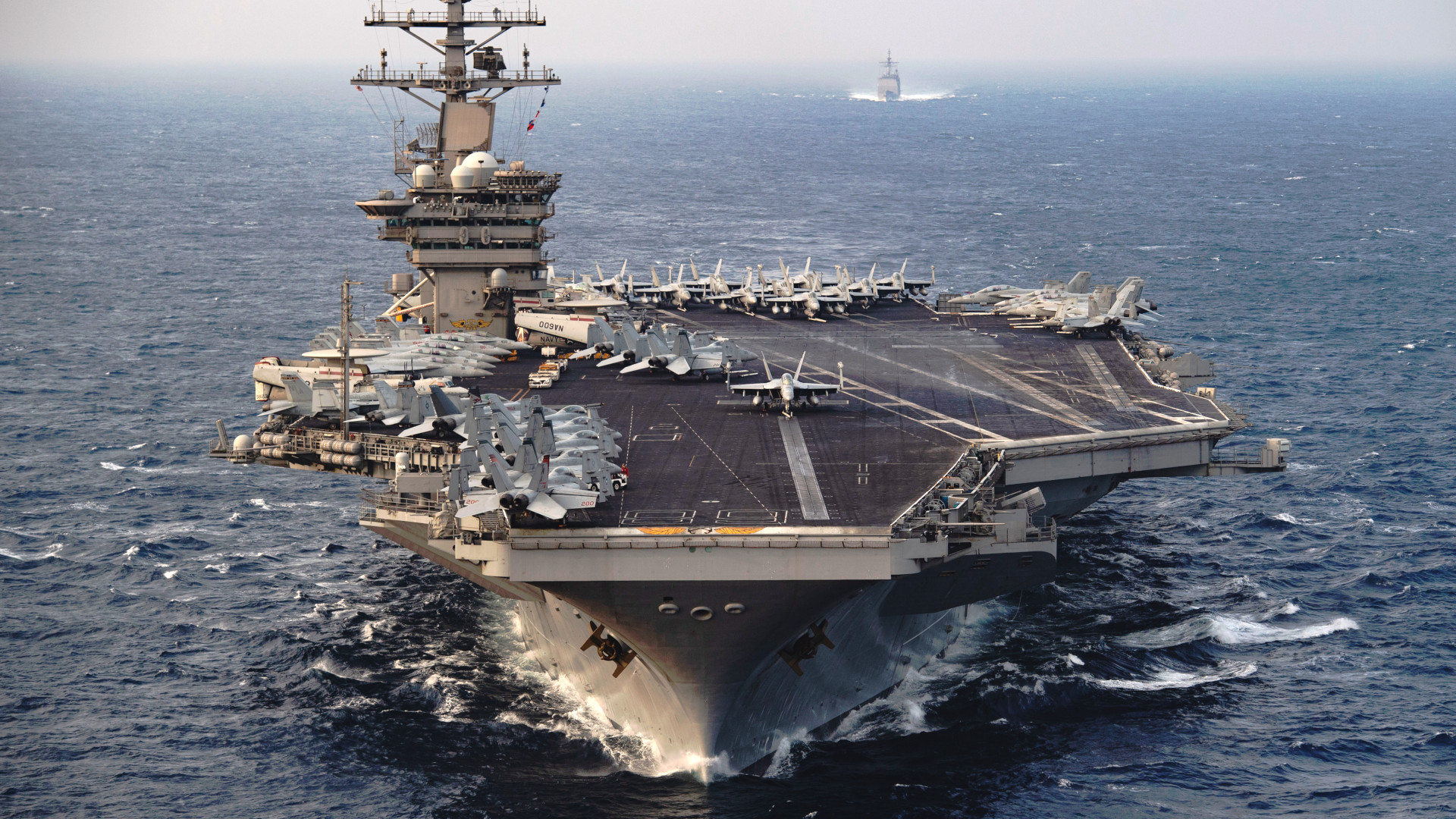
US Navy Aircraft Carrier Failures Expose Fleet Crisis
Chronic breakdowns, repeated life extensions, and new delays in US Navy carrier fleet highlight deepening force structure crisis. Operational readiness of the world’s largest carrier force is now in question, exposing vulnerabilities and opening global strategic gaps.
The US Navy faces a mounting crisis as multiple aircraft carriers suffer from simultaneous technical failures, repeated extensions, and cascading delays in new deliveries, undermining the fleet’s credibility. Recent developments include a fire on an already aging carrier, the second extension of another vessel’s service life, and significant delay in the handover of a new ship.
For years, the US Navy has depended on its fleet of eleven nuclear-powered carriers to project power globally. Chronic maintenance backlogs, workforce shortages, and escalating technical problems have accumulated, eroding the force's ability to sustain its forward posture. Previous attempts at modernization have struggled to overcome the physical and technological aging of legacy ships, while new platforms face recurring integration issues.
These developments strike at the heart of the Navy’s global deterrence credibility. As rivals like China aggressively expand their blue-water capabilities—including the rapid fielding of new carriers and anti-access/area-denial weapons—the US faces growing coverage and readiness gaps. European and Asia-Pacific allies, dependent on US presence for deterrence, now confront riskier regional security outlooks.
The core actors are US Navy leadership, political decision-makers, and defense contractors whose competing incentives have only deepened procurement dysfunction. Budgetary imperatives push service life extensions well beyond intended hull design, while political reluctance to downsize fleet numbers perpetuates underfunded modernization. Contractors juggle late deliveries and cost overruns, facing little effective accountability.
Specifics include USS George Washington (CVN-73) and USS Nimitz (CVN-68), both pressed beyond intended service lives. Ford-class carrier CVN-79 (John F. Kennedy) faces yet another slip in scheduled delivery. The Navy has poured over $13 billion into recent carrier construction, with cycle times now averaging over a decade per ship and recurring major defects in new builds.
Short-term consequences will be immediate: carrier availability drops below force planning requirements, with at least two hulls in extended overhaul simultaneously. This sharpens global gaps in US operational coverage, notably in the Indo-Pacific and Mediterranean. Escalation risks rise as adversaries may test US response during visible fleet shortfalls.
Historically, such fleet reductions have yielded operational crises—from the 1970s 'hollow force' to severe gaps post-Cold War drawdowns. Yet, the current convergence of aging hulls, deferred maintenance, and delayed renewal is unprecedented in peacetime for the US Navy.
Going forward, watch for accelerated lobbying for emergency funding, allied pressure for greater regional coordination, and rising adversarial deployments near US interests. Key intelligence indicators will include unscheduled carrier gaps in vital theaters, renewed congressional hearings, and expanded allied carrier coordination drills.