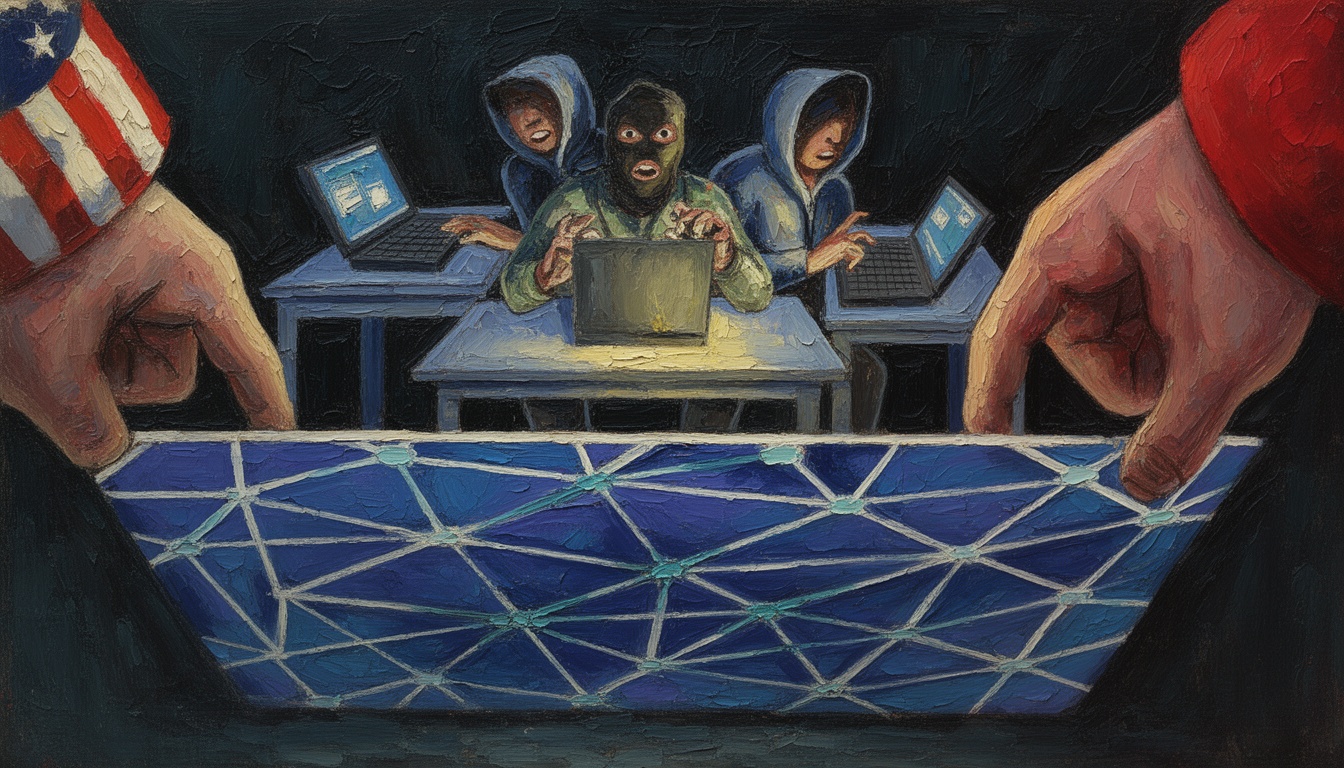
US Must Cooperate with China to Fight Cambodia Scam Gangs
Cambodia extradited major cybercrime figures to China amid US sanctions on scam networks linked to Huione Group. The move highlights complex regional criminal dynamics and the need for US-China cooperation against transnational cybercrime. Effective partnership could disrupt major laundering operations worth hundreds of millions of dollars.
On April 1, Cambodia extradited Li Xiong, former chairman of Huione Group, to China as part of Beijing's cybercrime crackdown in Southeast Asia. Huione Group had previously been cut off from the US financial system for laundering at least US$336 million through cyber scams from 2021 to 2025. The US also imposed sanctions on Huione’s parent company Prince Group and indicted founder Chen Zhi for related crimes.
In January, Cambodia extradited Chen Zhi to China, who was accused of running the largest scam network in the country. These judicial actions demonstrate intensified Sino-Cambodian cooperation in combating cybercriminal networks operating across borders.
The US blaming China for cybercrime overlooks the need for collaborative efforts. The extraditions underline that Cambodia is working with China to dismantle these highly organized gangs. Without US-China partnership, efforts to combat sophisticated Southeast Asian cyber scams are limited.
Huione Group’s operations demonstrated advanced money laundering capabilities using the global financial system, funneling hundreds of millions of US dollars illicitly. Dismantling such networks requires coordinated law enforcement across jurisdictions.
This evolving cooperation could set a precedent for managing cybercrime threats in the Indo-Pacific. US engagement with China, rather than confrontation, may improve enforcement outcomes and regional stability as transnational cybercrime proliferates.