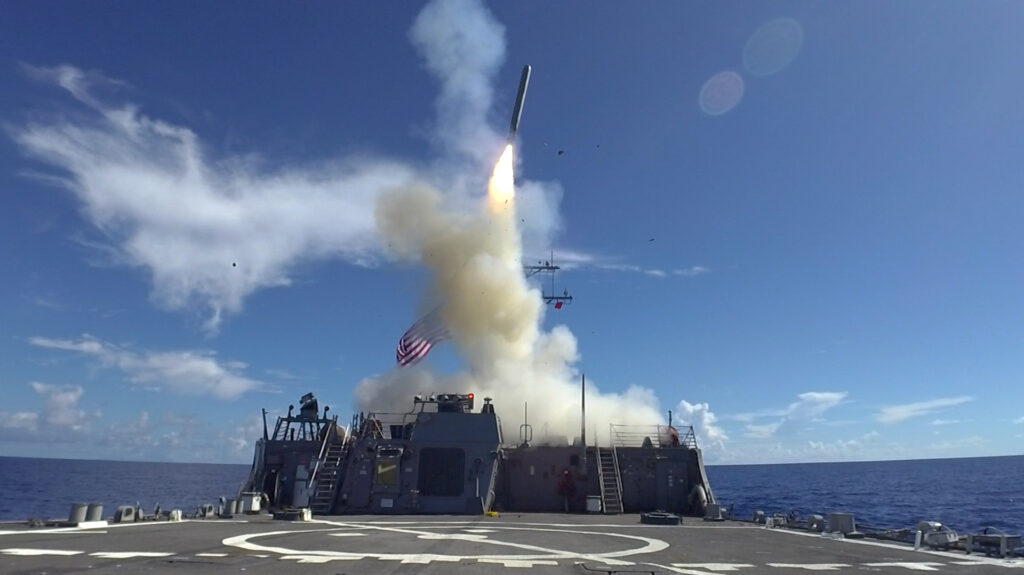
US Munitions Stockpile Dwindles Amid Ongoing Iran Operations, Funding Crisis Looms
The depletion of US munitions inventory due to ongoing military operations against Iranian proxies poses a significant vulnerability to national defense. Lawmakers are now pressured to authorize supplemental funding to replenish stockpiles and maintain readiness.
The ongoing military operations against Iranian forces and their proxies have severely depleted the United States’ munitions stockpile, creating a critical vulnerability for U.S. forces. Defense experts warn that this drain on offensive and defensive munitions, numbering in the hundreds, could undermine U.S. military readiness in future conflicts as critical supplies run low.
Historically, U.S.-Iran tensions have perpetuated a cycle of conflict, especially since the 2018 U.S. withdrawal from the Joint Comprehensive Plan of Action (JCPOA) and subsequent sanctions. Following escalated Iranian aggression—including attacks on U.S. personnel and allies in the region—the U.S. has been forced to retaliate militarily, resulting in a significant increase in munitions use that was unforeseen by defense planners.
This situation is alarming as it exposes a pivotal strategic risk: the erosion of munitions reserves could impact U.S. capabilities in both current operations and potential hotspots elsewhere, including Asia and Eastern Europe. The depletion raises concerns not only of immediate vulnerability but also of a growing perception of weakness by adversaries, including China and Russia, who may exploit the situation to their advantage.
Key actors in this scenario include congressional leaders who hold the purse strings for defense funding. While publicly urging the need for resource allocation, behind the scenes there is a fierce negotiation over the scale and urgency of supplemental funding to counteract the munitions shortage. The push for funding is critical not only to restore supplies but also to prevent future operational bottlenecks that could arise from logistics failures.
Operationally, the U.S. has utilized various precision munitions, including Joint Direct Attack Munitions (JDAM) and heckler missiles. However, with reports suggesting usage of artillery shells and missiles numbering in the hundreds, the Navy and Air Force risk falling dangerously below recommended operational minimums. The potential cost for replenishing these stocks could reach the billions, placing an additional strain on an already tight defense budget.
The consequences of this munitions crisis could be dire. If U.S. munitions shortages persist, allied nations may reconsider their reliance on U.S. military support, potentially leading to a recalibration of global defense postures. Adversaries may be emboldened to test U.S. resolve in different theaters, risking broader conflicts.
Historically, similar stockpile crises have often led to rapid escalations or ill-advised military engagements. The Gulf War in 1991 and operations in Afghanistan and Iraq have shown how logistics can dictate the effectiveness of military operations. The current predicament parallels these scenarios, as military leaders are forced to make hard choices about engagement versus restraint.
Moving forward, defense analysts will closely monitor congressional actions regarding military funding, as well as the operational tempo of U.S. forces in the Middle East. Specifically, signals from lawmakers about allocations for munitions replenishment, or changes in U.S. force posture, will indicate how the Pentagon plans to address this troubling deficiency in munitions stocks. Intelligence assessments should prioritize tracking Iranian proxy activities, as any escalation could precipitate urgent U.S. military responses with already reduced stockpiles.