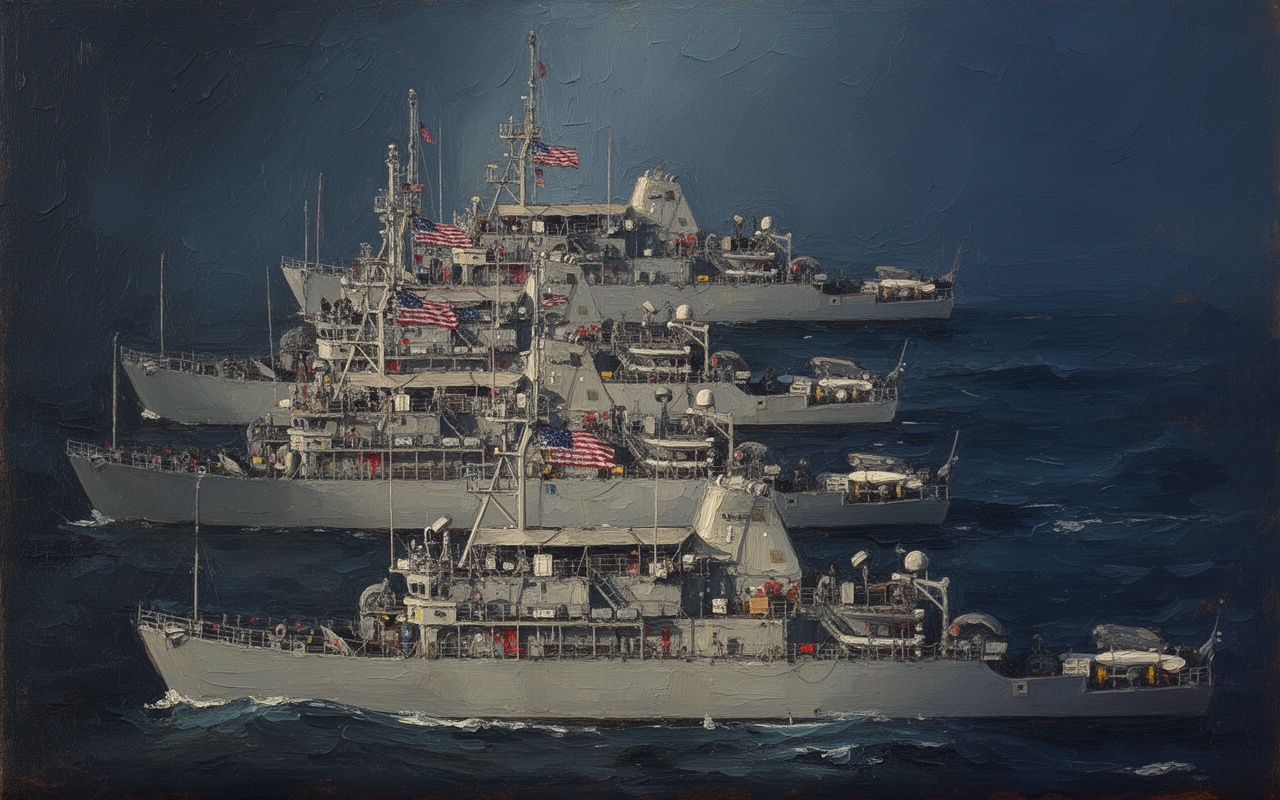
US minesweeping options for Hormuz Strait
Strategic chokepoint remains a high-risk environment. The U.S. could employ drones, robots, and helicopters to reduce exposure for divers and mine-clearance teams, but Iranian response and counter-mining measures could shape operations and timelines. The balance of deterrence and capability will determine regional stability.
The core development is blunt and tactical: the United States is weighing a multi‑domain demining approach in the Strait of Hormuz using unmanned systems, robotic swarms, and vertical lift platforms to limit human exposure during clearance. Initial analysis suggests a layered sequence—reconnaissance, controlled detonation options, and rapid extraction of abandoned ordnance—to minimize time spent in the mined corridor. While these tools can reduce risk, they do not eliminate the threat from Iranian countermeasures or massed mine emplacements tied to maritime traffic patterns.
Background: Hormuz is a chokepoint with high commercial and strategic value. Salvoes of small‑boat attacks, coastal artillery, and cyber-ops form a persistent backdrop to any clearance operation. The United States has previously championed autonomy and reach in explosive ordnance disposal, arguing that robotic platforms can perform dangerous tasks without risking sailors. The operational pause between detection and neutralization remains a critical window for potential escalation by Iran, should miscalculations occur in the theater.
Strategic significance: Clearing a safe corridor through Hormuz would reduce spillover risk for global energy markets and signal deterrence resilience against anti‑access/area denial (A2/AD) strategies in the Persian Gulf. The move would also affect Iran's leverage by limiting the effectiveness of maritime disruption campaigns. However, even partial success could provoke a kinetic response, including intensified drone and missile activity aimed at degrading clearance assets or port facilities. The broader balance of power in the Gulf hinges on whether demining capabilities translate into operational freedom for international shipping.
Technical/operational details: A credible plan would combine airborne mine detection sensors, autonomous underwater vehicles, and remotely operated surface vessels. Equipment would likely include lightweight, explosive‑neutralization tools and soft‑recovery procedures to reduce blast risk. Force composition would mix Navy mine countermeasures units, combat logistics support, and protective air cover from rotary and fixed-wing platforms. Budget implications involve procurement, maintenance cycles, and training pipelines for crews to adapt to contested airspace and electronic warfare environments.
Consequences/forward assessment: If executed with disciplined risk management, demining operations could shorten the window of vulnerability for shipping transits and raise the cost of aggressive polarization by Tehran. Yet ongoing Iranian countermeasures—swarming drones, precision missiles, and concealment of minefields—will likely complicate clearance timelines. Expect a phased evolution: initial containment of risk, followed by incremental clearance, with persistent warnings to deter further disruption and reassure international markets.