US Military Cuts Ties with Elite Universities Over 'Wokeness' Claims
The Pentagon's severance of ties with multiple prestigious universities raises alarm about potential ideological purges in military education. This move signals a deeper ideological conflict that threatens the cohesion and values of military institutions.
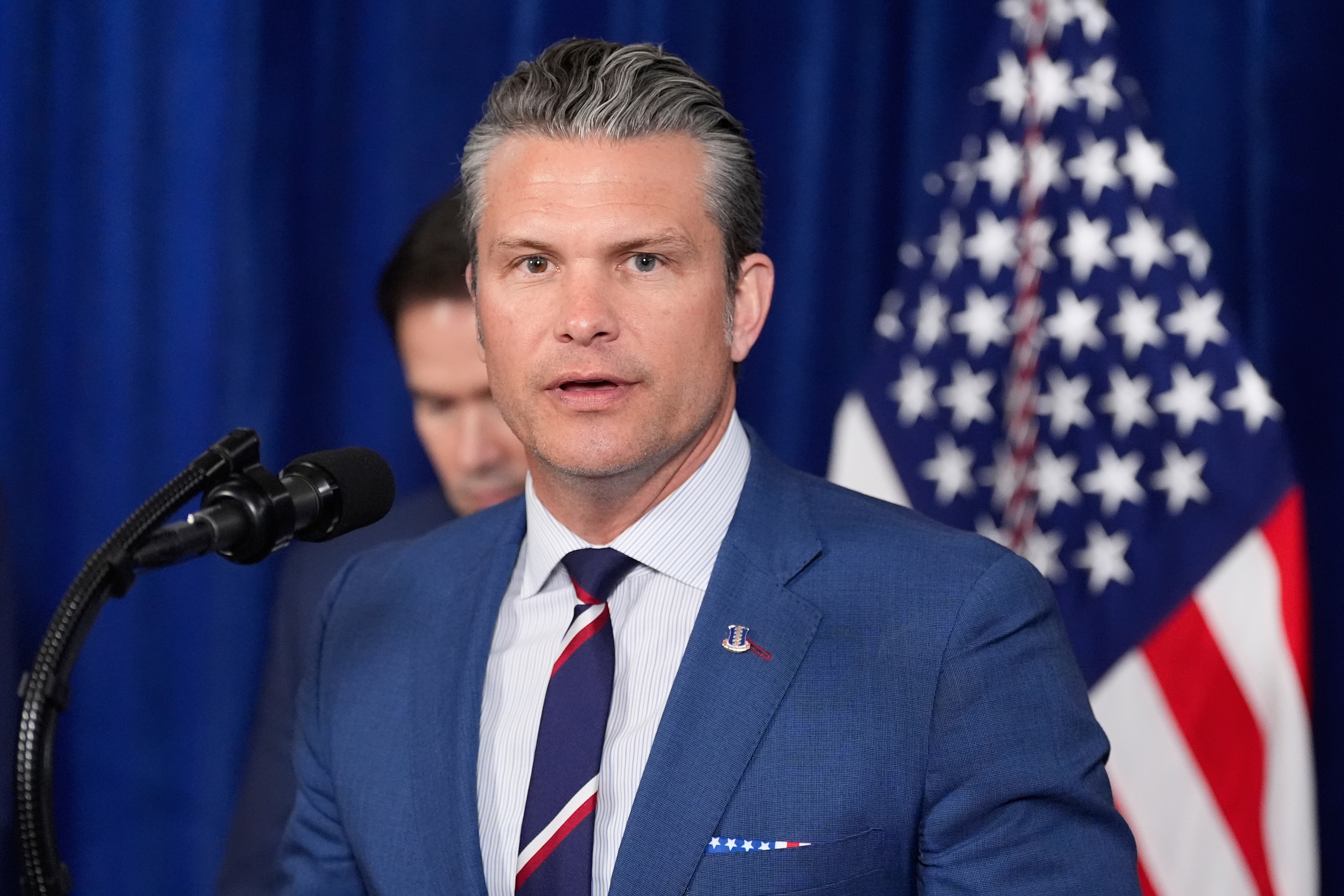
The Pentagon has launched a substantial break with several elite universities, including Columbia, Yale, and Brown, responding to accusations of 'wokeness' from prominent figures such as Fox News host Pete Hegseth. These universities are now labeled as 'breeding grounds of toxic indoctrination' that supposedly undermine foundational military values. Although Hegseth did not provide specific evidence to support these claims, the decision reflects a severe ideological divide that is reshaping military education and engagement within higher learning.
The relationship between the U.S. military and academia has historically been symbiotic, with universities playing critical roles in research, training, and the recruitment of talented individuals into the armed forces. However, recent years have seen mounting tensions, largely driven by a perception among military leaders and conservatives that institutions of higher education promote liberal ideologies that conflict with traditional military principles. This includes a growing concern over political correctness and social justice movements that critics argue detract from military readiness and discipline.
The significance of this development cannot be overstated, as it risks eroding collaborative pathways for technological advancements and the integration of diverse skills within the military. By cutting ties with these universities, the Pentagon may severely restrict its access to cutting-edge research and innovation that is often fostered in academic environments. Moreover, this ideological rift could impact recruitment initiatives, alienating potential candidates from more progressive backgrounds who may view the military's stance as exclusionary.
Key figures pushing for this disassociation appear motivated by a desire to realign military culture with conservative values while also bolstering the political careers of those who oppose perceived 'liberal indoctrination'. The rhetoric surrounding 'wokeness' serves as a potent political tool, capitalizing on public polarization around issues related to race, gender, and free speech. This insinuation frames the military as an institution under threat from liberal ideologies, driving a narrative that may resonate with a significant portion of the conservative base.
Operationally, the impact of this decision could lead to a decline in collaborative military programs that rely on technological research partnerships with these institutions. For instance, ongoing projects related to advanced AI, cybersecurity measures, and combat simulations—typically developed through joint efforts with academic leaders—may suffer in quality and effectiveness. The Pentagon’s budget for research and partnerships could also face reevaluation, arising from this ideological fallout.
The potential consequences of severing ties are multifaceted, leading to possible isolation of military training from academic discourse that often fuels critical thinking and innovation. Military leaders could find themselves increasingly out of touch with societal developments, compromising their effectiveness in a transformed global landscape. The escalation of anti-intellectual movements could also embolden further actions against institutions deemed unaligned with military doctrine.
Historically, attempts to impose ideological orthodoxy within military ranks can be traced back to various crises, such as the post-Vietnam War era, when the military faced significant societal pressures related to its perceived conduct. Precedents indicate that such actions can lead to increased dissent among service members, reduced morale, and fragmentation of support among civil leaders and citizens.
Going forward, observers should monitor how this ideological breach affects recruitment patterns, particularly among younger generations who may perceive military service as increasingly hostile to diverse perspectives. Key indicators include shifts in enrollment rates at military academies, public opinion polls regarding military educational partnerships, and the responses from the academic sector as it seeks to address or challenge these moves. The potential fallout from this decision may be felt across the landscape of U.S. military and civil relations for years to come.