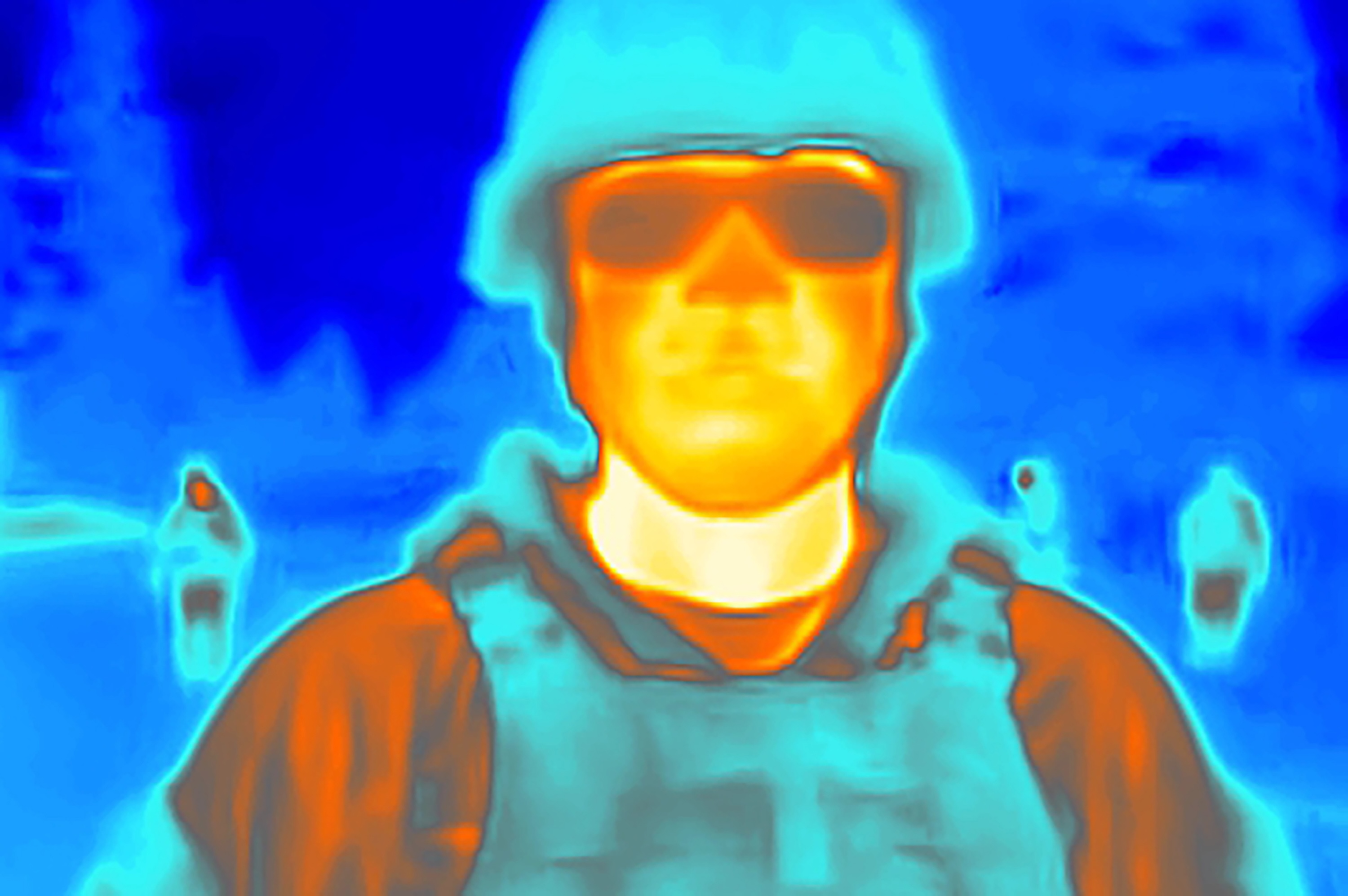
US Marine Corps Develops Thermal Cloaks to Evade Infrared Detection
The U.S. Marine Corps is advancing thermal cloaking technology to enhance troop concealment, indicating escalating confrontations with advanced surveillance capabilities. This development underscores the arms race in detection and counter-detection technologies on modern battlefields.
The U.S. Marine Corps is pursuing the development of advanced thermal cloaks designed to render troops nearly invisible to infrared sensors and thermal imaging systems. This push comes as adversaries increasingly adopt sophisticated surveillance technologies that threaten operational security and troop safety. Testing and integration of these cloaks signify a critical revolution in battlefield camouflage that could redefine troop engagement strategies.
Historically, the U.S. military has faced challenges providing effective concealment against expanding sensor capabilities. The introduction of miniaturized infrared sensors aboard drones and reconnaissance vehicles has made traditional camouflage insufficient. Operational experiences in recent conflicts have highlighted the need for innovations, leading to the Marine Corps' current initiative in thermal cloaking technologies.
The implications of this development are significant. The ability to shield troops from thermal detection not only enhances battlefield survivability but also shifts the broader landscape of electronic warfare. As detection technologies evolve, this measure represents a proactive step for U.S. forces, preventing adversaries from exploiting emerging vulnerabilities in troop deployment and maneuverability.
Key players in the U.S. military industrial complex are likely motivated by the same urgency to maintain technological superiority. Contractors in the defense sector are historically driven by the demand for innovative solutions amid rising expenditures in R&D. The Marine Corps' movement towards thermal cloaks is indicative of a larger trend aimed at preemptively addressing the capabilities of potential adversaries, especially near-peer competitors in global hotspots.
Operationally, the thermal cloaks are expected to integrate with existing uniforms and gear, employing advanced materials that disrupt heat signatures. While the specific technical specifications of these cloaks remain under wraps, designs will likely build upon the capabilities demonstrated in previous stealth fabric technologies used in aircraft and maritime vessels. Estimates suggest that initial deployments could occur within the next few years as testing proceeds.
The Marine Corps' push for thermal cloaks could ignite an arms race in concealment technologies, spurring competitors to develop countermeasures or improved detection systems. Such escalation may lead to an even greater focus on electronic warfare tactics as countries seek to gain the upper hand in surveillance technology. The looming question is how adversaries will respond to this shift, potentially influencing new military doctrines.
Looking back, one can draw parallels to developments during the Cold War when both sides rapidly enhanced counter-surveillance measures. The introduction of stealth technology in aircraft during that era illustrates the cyclical nature of military innovations aiming to maintain tactical advantages over opponents. The arms race for electronic warfare technology thus has historical precedence and warrants close scrutiny.
In the coming months, monitoring the testing phases of these thermal cloaks will be essential. Intelligence analysts should focus on any shifts in military procurement budgets, potential collaborations with defense contractors, and the responses of rival nations. Key indicators will include advancements in infrared detection technologies and comments from military leadership regarding the evolving nature of warfare in the context of emerging threats.