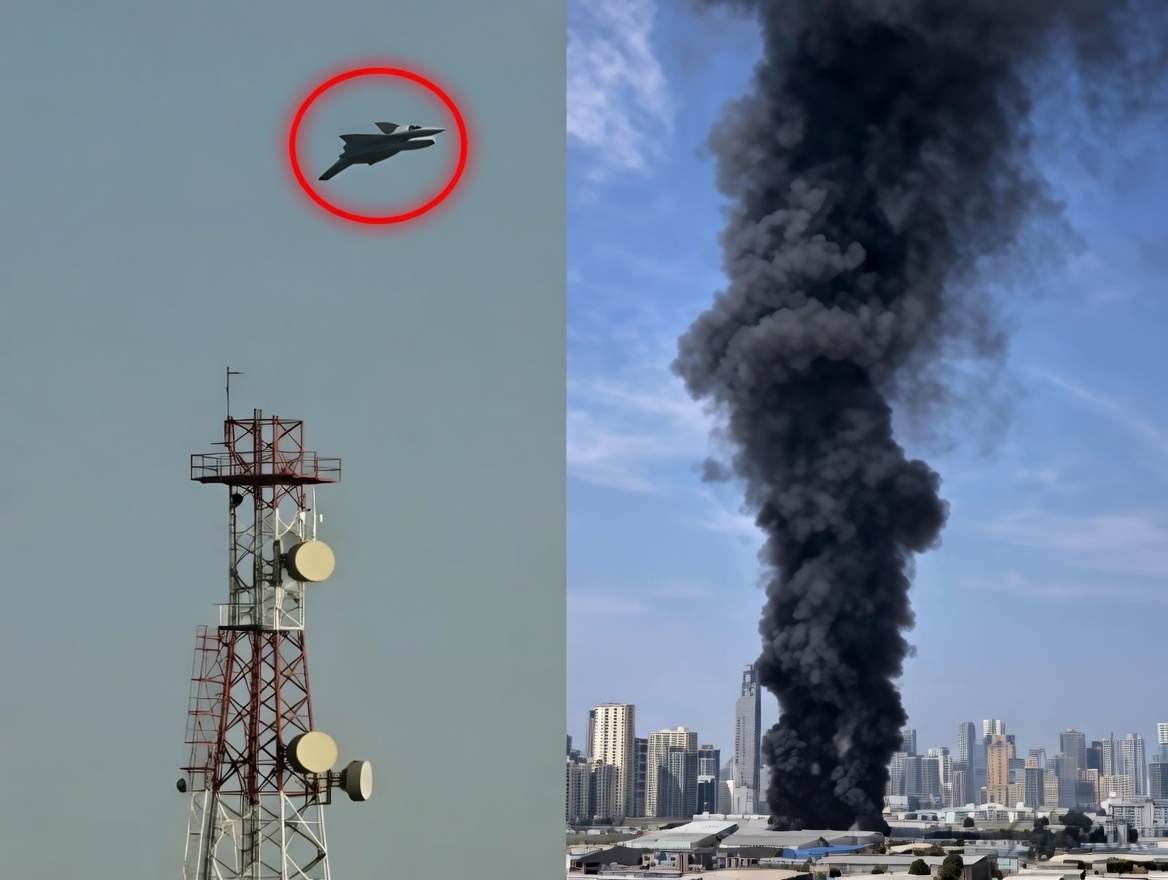
U.S. Loses Three F-15 Jets in Kuwait Amid Rising Regional Tensions
Three F-15 fighter jets were downed in Kuwait, raising serious concerns over U.S. air capabilities as tensions escalate in the Middle East. Iranians claim responsibility, highlighting vulnerabilities amidst ongoing conflicts.
In a significant military incident, three U.S. Air Force F-15 fighter jets were reportedly downed in Kuwait on March 2 amidst escalating tensions in the Middle East. Initial claims from Iranian officials suggested they were responsible for the downing, although Kuwait's Ministry of Defense has only confirmed that several U.S. aircraft crashed and that all crews managed to survive. This incident marks a dramatic loss of airpower in a strategically sensitive region and raises alarms about U.S. operational security and readiness.
The backdrop to this incident is a complex and fraught geopolitical situation in the Middle East. U.S. military presence in the region has been under scrutiny, especially following increasing Iranian aggression and a shift in regional alliances. Kuwait has historically maintained itself as a U.S. ally since the Gulf War but has been drawn into deeper tensions as Iran seeks to assert its influence. This crash signifies a potential resurgence of hostilities reminiscent of the late 1990s and early 2000s.
This event is significant for several reasons. Primarily, it calls into question the effectiveness of U.S. air defenses and readiness in an area rife with insurgent and conventional threats. The loss of three F-15 jets could embolden Iranian and other regional adversaries, highlighting vulnerabilities that could lead to further escalations. If these claims of downing are validated, the perception of U.S. air superiority in the region could be severely undermined.
Key actors involved include the U.S., Iran, and Kuwait, each with distinct motivations. The U.S. aims to maintain a strategic foothold in the Gulf, bolstered by military assets to deter Iranian activities. Iran, on the other hand, is keen to demonstrate its capabilities and assert dominance in the region, using this incident as a propaganda victory. Kuwait is caught in the middle, attempting to balance its longstanding ties with the U.S. against the growing influence and threats from Iran.
Operationally, the F-15, a formidable aircraft known for its air superiority, has long been a cornerstone of U.S. military air power. The incident raises serious questions about the nature of the crashes — whether they were due to engagement with enemy forces or operational failures, which would further require scrutiny into maintenance and logistics. This type of aircraft can typically engage targets at 1,000 kilometers and cost approximately $30 million each, making their loss not only a tactical setback but a significant financial risk.
The potential consequences of these losses could escalate tensions in the region dramatically. If Iran's claims are substantiated, it could trigger a U.S. military response aimed at re-establishing deterrence. Additionally, this incident could lead to shifts in U.S. defense strategy, prompting increases in air defense systems or re-evaluations of engagement rules of engagement with Iran and its proxies.
Historically, air power losses in the Gulf have led to significant military engagements, such as the aftermath of downed aircraft during the Gulf War. This incident recalls those intense moments when aircraft losses contributed to broader military escalations, illustrating how quickly a regional conflict can spiral out of control.
Moving forward, key indicators to watch will include how the U.S. military responds to this incident, including any shifts in troop deployments, aerial strategies, and diplomatic engagements with regional partners. Continued Iranian claims and subsequent responses from the U.S. could further escalate an already tense backdrop as both nations navigate this dangerous moment in Middle Eastern politics.