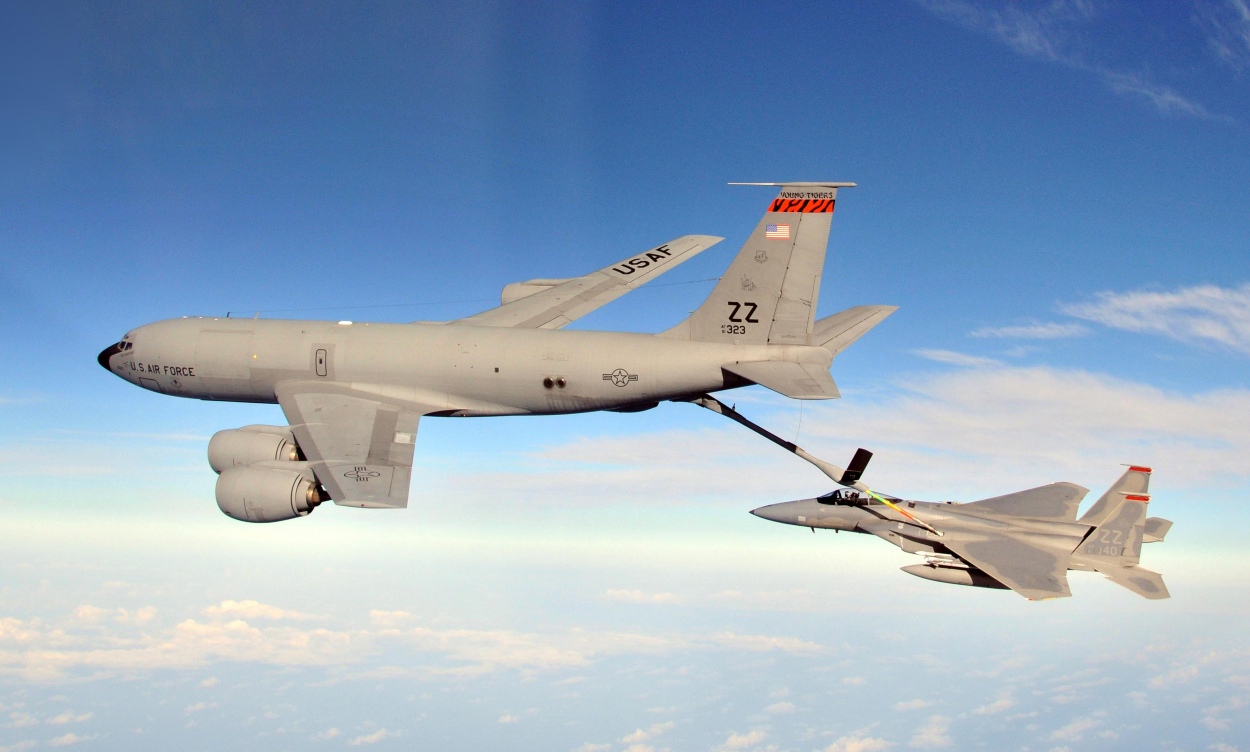
US KC-135 Tanker Crashes in Iraq, No Evidence of Fire Exchange
The crash of the US KC-135 tanker in Iraq poses risks to operations following the historic refueling mission for the B-21 Bomber. This incident raises questions about flight safety and operational integrity in a volatile region.
A US KC-135 refueling tanker crashed in western Iraq, just days after its prominent role in a historic refueling mission for the cutting-edge B-21 Raider bomber. A second KC-135 involved in the operation managed to land safely. CENTCOM has stated that preliminary reports indicate neither hostile nor friendly fire caused the crash, but the exact circumstances surrounding the incident remain unclear and merit further investigation.
The KC-135 Stratotanker has long served as a cornerstone of US aerial refueling capability since its introduction in the 1950s. Following the withdrawal of combat troops from Iraq in 2011, the ongoing US presence mainly revolves around advisory and support missions, but the crash signals ongoing vulnerabilities as CIAs (Counter Insider Attacks) and technical failures persist in the region. This incident comes at a time when regional tensions involving Iran and its proxies are at a high, compounding potential risks to US military operations in Iraq and beyond.
The significance of this crash extends beyond just the immediate safety of US air operations. A successful refueling mission for the B-21 Raider is a sign of advancing capabilities, and the crash of its support aircraft raises questions about the reliability of the US military's logistical chains. With hostile relationships in the Middle East and operational commitments stretching resources, any setbacks could expose critical vulnerabilities in US military readiness and response times, particularly in a high-stakes environment like Iraq.
The motivations behind maintaining a robust air presence in the region are multifaceted. The US aims to deter Iranian influence and safeguard its interests; however, incidents like this crash might undermine public and military confidence in the ongoing operations and strategic posture. While CENTCOM is projecting confidence, the apparent lack of hostile engagement also suggests a potential gap in situational awareness and reconnaissance capabilities.
Operationally, the KC-135 is an aerial refueling platform capable of extending the range and payload of fighter and bomber aircraft, including the B-21 Raider. With an airframe that can hold up to 200,000 pounds of fuel, this platform is critical for long-range strikes and sustained air operations. The recent crash poses questions about the technical integrity of aging aircraft like the KC-135 when involved in complex operations in contested environments.
The likely consequences of this incident could include heightened scrutiny on maintenance protocols and operational safety reviews for the KC-135 fleet. Additionally, with regional actors observing US vulnerabilities, this might embolden adversaries to test US air capabilities. If pilot error or mechanical failure is identified, it could lead to operational downgrades and prolonged investigations, impacting future air missions in Iraq.
Historically, incidents involving US military aircraft in the Middle East have led to significant scrutiny and subsequent adjustments in tactics and maintenance practices. The crash may echo previous accidents that have prompted shifts in approach, particularly in ensuring aerial superiority and the effectiveness of logistics in warzones. The recent crash may serve as a reminder of the inherent risks associated with maintaining aerial dominance in a volatile geopolitical landscape.
Going forward, monitoring the investigations into the KC-135 crash will be crucial. Key indicators to assess include any changes in operational pacing in Iraq, shifts in air deployment posture, and emerging reports concerning the readiness of the aircraft fleet. Increased rhetoric from regional actors could also signal attempts to capitalize on perceived weaknesses in US military operations in the region.