US-Israeli War Hits Second Month Amid Iran Talks Looming
US-Israeli conflict with Iran escalates into second month after deadly airstrikes killing Iran's supreme leader. Washington predicts imminent direct talks despite ongoing strikes on Iranian nuclear sites, signaling complex crisis ahead.
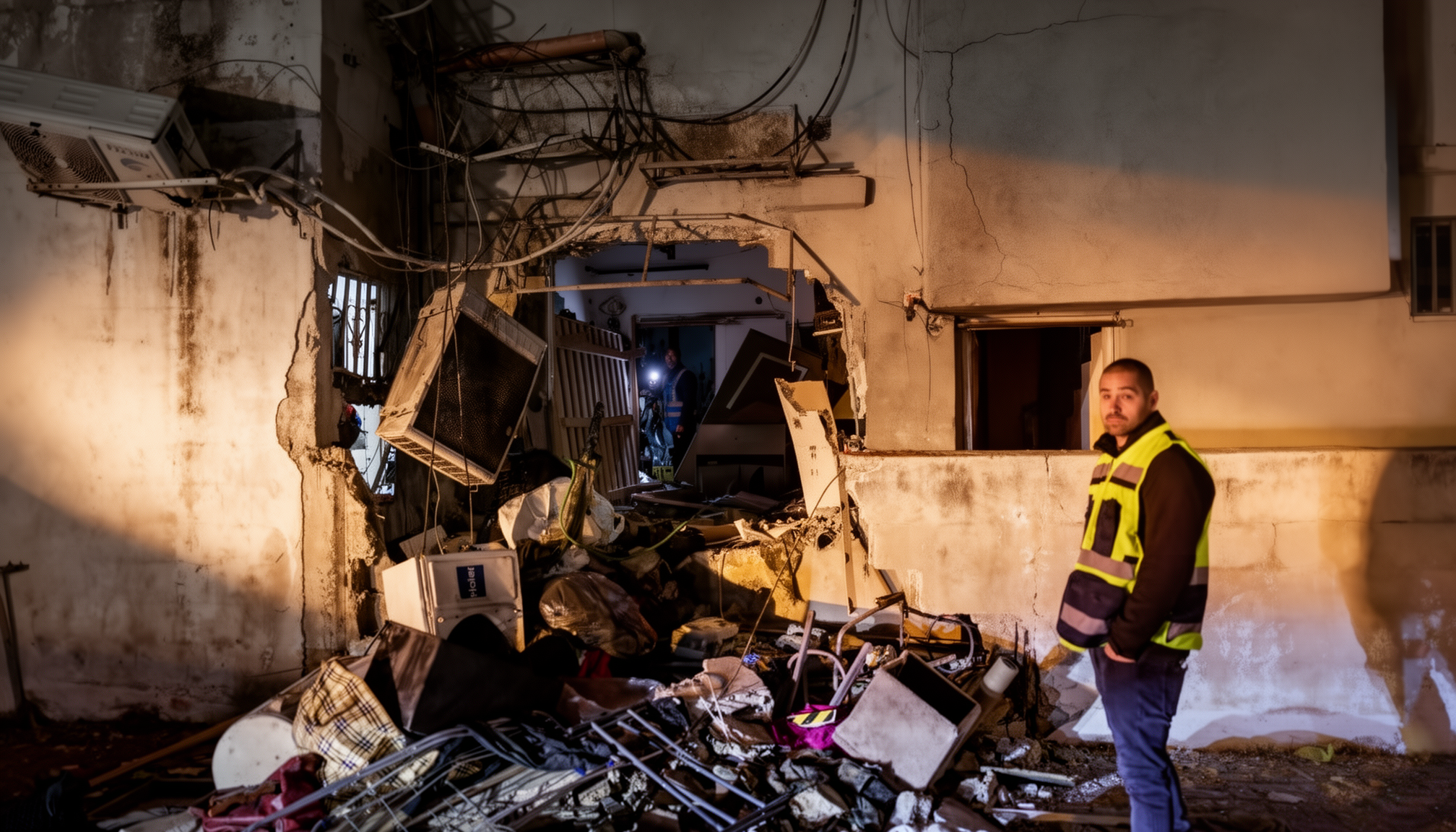
The US-Israeli military campaign against Iran has entered its second bloody month following airstrikes that killed Iran’s Supreme Leader Ayatollah Ali Khamenei on February 28. Despite this deep escalation, US Special Envoy Steve Witkoff declared that talks with Tehran could begin within the week. This signals a precarious moment as the war continues with no visible end.
The conflict erupted after the US and Israel launched coordinated airstrikes targeting Iranian military and nuclear infrastructure, igniting a crisis with repercussions felt across global geopolitical alignments. The unprecedented killing of Iran’s top leader marks a watershed moment, ratcheting tensions between the Middle East’s main regional powers to a near-breaking point.
Strategically, this war threatens to destabilize the broader Middle East, impacting trade routes, energy supplies, and the security calculations of NATO, Russia, China, and regional players. Iran’s nuclear facilities remain primary targets, as controlling or disrupting Iran’s nuclear capabilities remains a critical objective for the US-Israeli alliance.
Operationally, the strikes have targeted at least two key nuclear sites, relying on precision air power with high-value intelligence coordination. US and Israeli forces deploy advanced aircraft and drones with electronic warfare support to degrade Iran’s integrated air defenses while avoiding direct ground engagements.
The immediate outlook is volatile, with Iran likely to reciprocate with asymmetric or proxy retaliations. The repurposing of diplomatic channels toward talks suggests Washington’s recognition of the high stakes and potential for spiraling regional war. If talks fail, expect widened conflict involving multiple state and non-state actors, raising the risk of a long, intractable war.