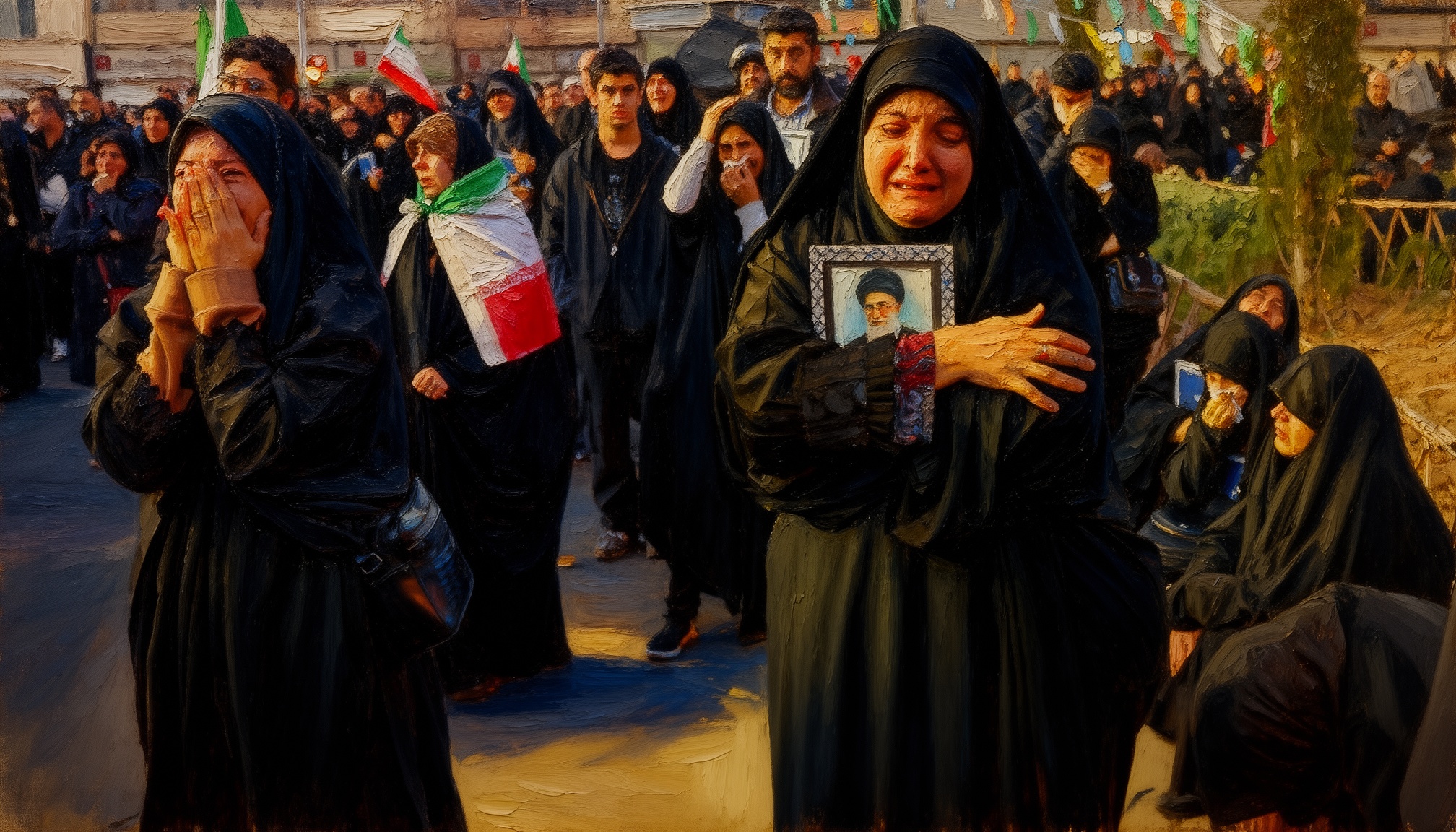
US-Israel Actions Strengthen Islamic Republic’s Theological Resolve
The ongoing conflict fuels a martyrdom narrative bolstering Iran's ideological resilience. The war reinforces Tehran’s internal cohesion and global posture.
The war in the Middle East is intensifying a theological narrative within the Islamic Republic of Iran, centered on martyrdom and sacrifice. This narrative is being exploited to reinforce the regime’s legitimacy and maintain its grip on power amid rising regional pressures.
Historically, Iran has employed religious rhetoric to unify its population against external threats. The current conflict with Israel, combined with US policies, has amplified this narrative, making it a cornerstone of Iran’s domestic and foreign policy messaging.
Strategically, this theological reinforcement underpins Tehran’s ability to sustain proxy forces across the region and resist diplomatic isolation. It also complicates efforts by global powers to engage Iran constructively, as the regime portrays itself as under siege in a cosmic struggle.
Operationally, Iran continues to supply militant groups with advanced weaponry, including drones and ballistic missiles, embedding its ideological narrative in tangible military support. The US and Israeli pressure, rather than weakening Tehran, often strengthens its resolve and public support through this martyrdom framework.
Looking ahead, the perpetuation of this narrative suggests prolonged regional instability. It elevates the risk of escalations and undermines diplomatic efforts, indicating that the conflict’s theological dimension is a critical driver of Iran’s enduring resilience and regional ambitions.