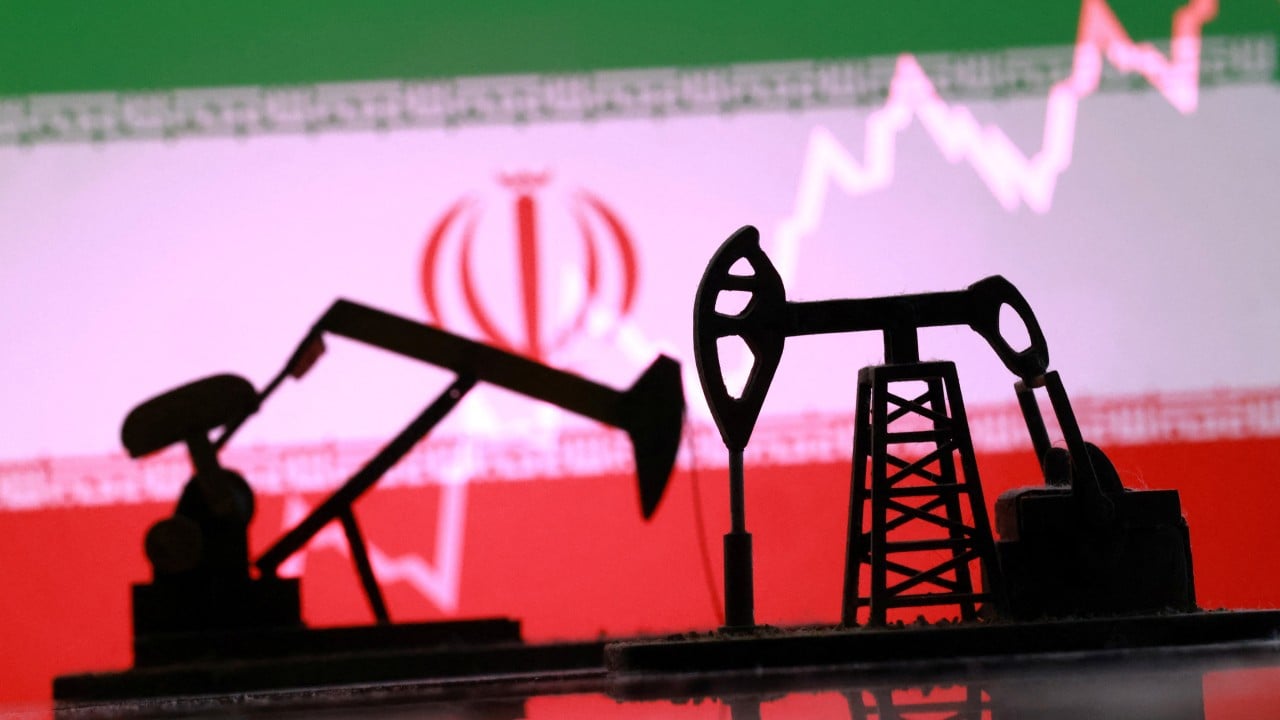
US-Iran War Threatens Global Energy Supplies, Pressures China’s Energy Strategy
Escalating conflict in the Middle East risks destabilizing oil markets and amplifies China's urgency to reduce fossil fuel dependence. A major shift in energy focus could reshape global power dynamics significantly.
The looming threat of war between the United States and Iran is intensifying, disrupting global oil supplies and sparking concerns of a critical energy crisis. Analysts warn that U.S. military interventions in key oil-producing regions, notably involving Iran, may severely impact China's already strained energy imports. As tensions escalate, the potential for significant disruptions in oil supply chains raises alarms across international markets, impacting not just China but global economies dependent on stable energy flows.
Historically, U.S. sanctions against Iran have led to fluctuating oil prices and heightened geopolitical frictions. The ongoing military posturing illustrates a pattern of American interventionism that dates back decades, often to secure energy interests in the Middle East. Tensions have been further exacerbated by the U.S. withdrawal from the Iran nuclear deal and the re-imposition of sanctions, which Beijing has frequently criticized but cannot easily counteract without impacting its energy security.
This situation is of major concern because a sustained conflict could lead to a significant spike in oil prices, destabilizing economies worldwide and particularly threatening China's industrial sector, which relies heavily on imported oil. China's vulnerability stems from its dependency on imports, which constituted approximately 70% of its crude oil supply in 2022. This high reliance puts Beijing in a precarious position, as any disruptions in supply could hinder its economic growth and elevate energy costs domestically.
Key actors in this crisis include the United States, Iran, and China. The U.S. aims to exert control over the global oil supply and counter Iranian influence in the region, while Iran seeks to bolster its geopolitical standing despite facing crippling sanctions. China, on the other hand, recognizes that its energy security is threatened by U.S. policy and has increasingly indicated a desire to rely on renewable energy sources, although its fossil fuel imports remain a glaring vulnerability in the short term.
Technically, the U.S. has deployed significant naval assets in the Persian Gulf, including aircraft carriers and destroyers capable of rapid military action, underscoring the seriousness of their commitment to protecting oil routes. Iran has also showcased its military readiness with increased naval drills aimed at deterring U.S. forces. Additionally, global oil prices are highly volatile, with estimates suggesting that a 10% reduction in oil supply could spike prices by over 20%. With such stakes involved, energy security for China is under existential threat.
The likely consequence of this strategic crisis is an acceleration of China's transition to renewable energy, although this shift faces hurdles. China has set ambitious targets for carbon neutrality by 2060 but is still heavily reliant on coal and oil in the immediate term. Increased military tensions may force China to expedite investments in renewable energy infrastructure, but whether this pivot can occur swiftly enough to mitigate immediate supply concerns remains uncertain.
Historically, similar tensions in the region have preceded major global shifts. The Gulf War in the early 1990s and the Iraq War significantly disrupted oil supplies and caused global economic ripples. Such precedents indicate that the current crisis could have lasting impacts, not just on oil prices but on broader energy policies worldwide.
In the immediate future, analysts will be watching for indicators of U.S. military escalation, Iranian countermeasures, and China's energy procurement strategies. Specific attention should be paid to oil price fluctuations and any announcements regarding renewable energy investments from Beijing. These developments will signify how the geopolitical landscape is reshaping global energy dynamics and the balance of power among these significant actors.