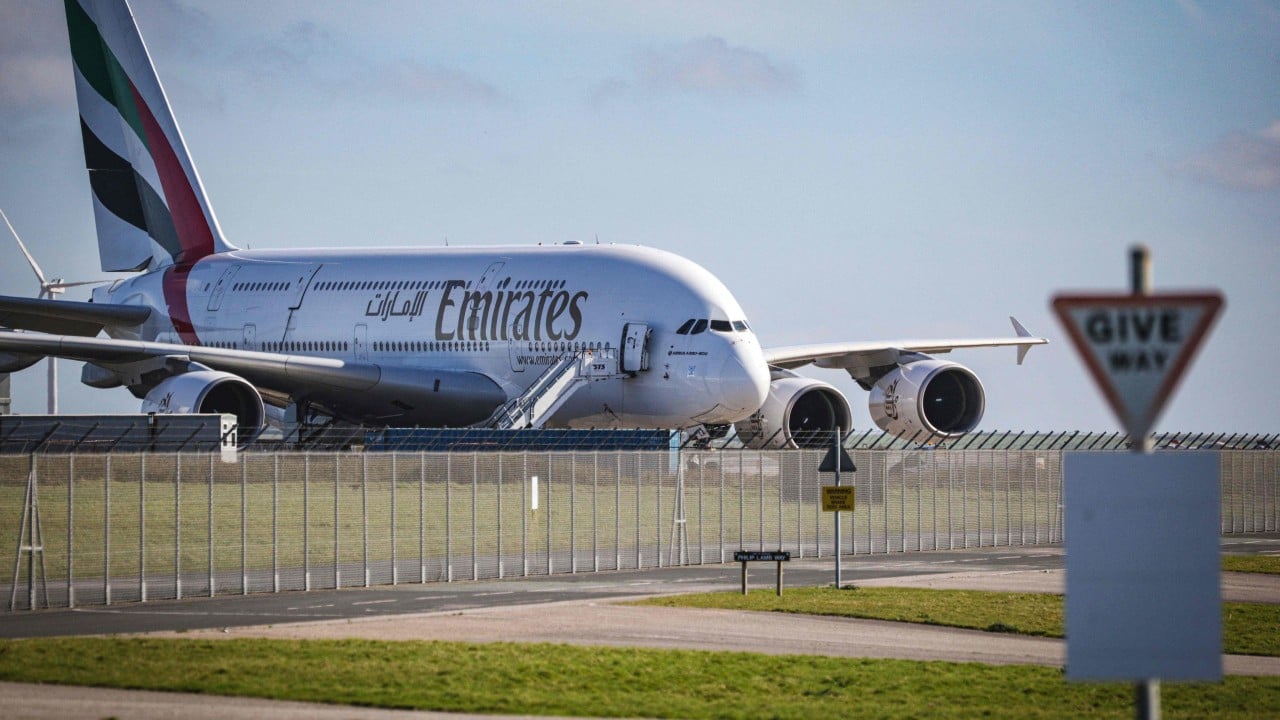
US-Iran Truce Won’t End High Airfares, Flight Disruptions
Airlines face persistent disruptions and soaring fuel costs despite a fragile US-Iran ceasefire. Regional flight suspensions will continue affecting global air traffic and economic stability in the Gulf.
The fragile ceasefire between the United States and Iran may do little to ease soaring airfares and flight disruptions caused by six weeks of conflict in the Middle East. Airlines have aggressively cut routes and suspended Gulf flights due to escalating fuel prices and decreased passenger demand amid continued regional tensions.
Since the conflict erupted, major carriers including Air France have paused Gulf operations. Air France recently extended its suspension to May 3—a decision reportedly made before the ceasefire took effect. This reflects persistent uncertainty over security and transit risks in airspace across the region.
The Gulf remains a pivotal air corridor linking Asia, Europe, and Africa. Prolonged suspensions threaten to reroute and congest global air traffic, raising operational costs and upsetting supply chains. The economic ramifications extend beyond airlines to global trade and energy markets dependent on Gulf stability.
Technically, airlines face soaring jet fuel prices fueled by war-induced supply fears. Simultaneously, insurance premiums and security protocols for Gulf routes have surged, increasing operational costs. The risk of sporadic flare-ups despite the truce exacerbates planning difficulties for carriers and passengers alike.
Looking ahead, unless a durable political settlement emerges, airlines may maintain conservative route profiles, limiting Gulf airspace access. This will keep airfare premiums high and flight interruptions frequent, potentially destabilizing regional connectivity and economic recovery over the medium term.