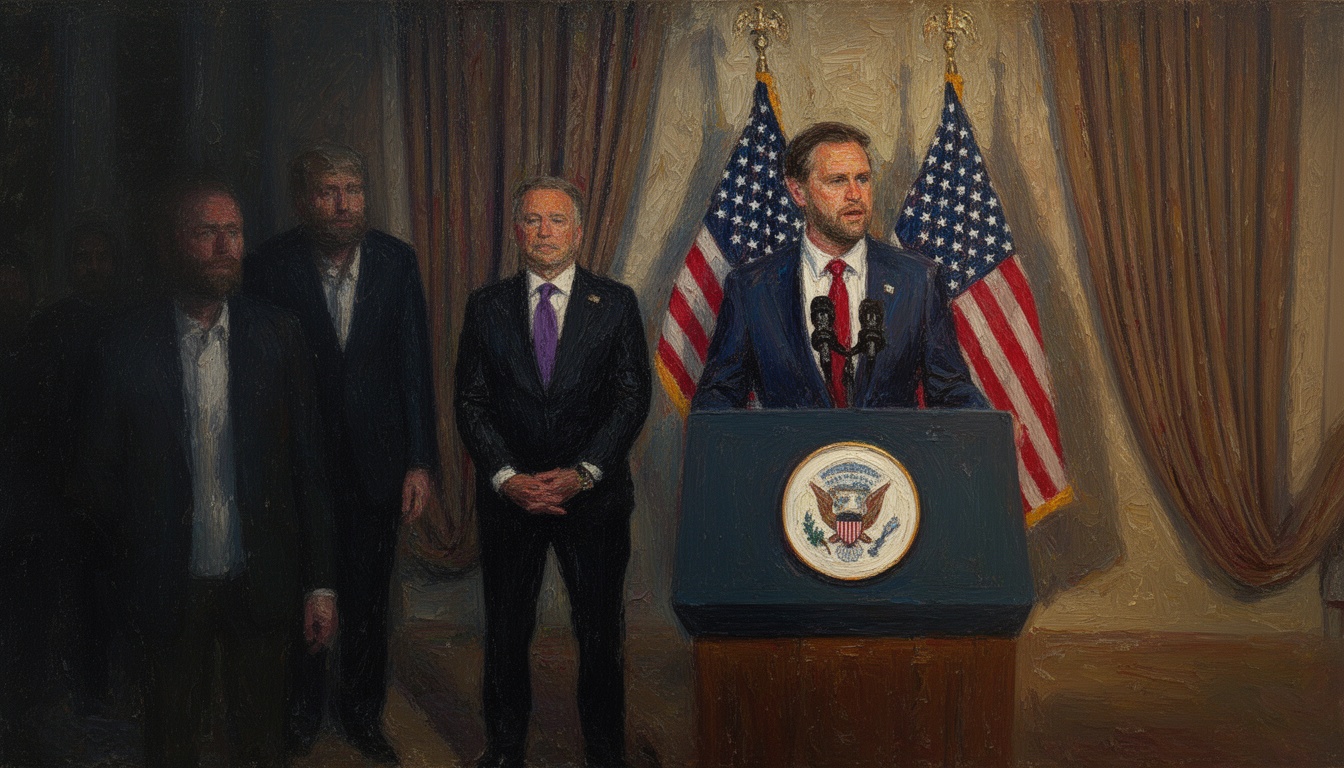
US-Iran Talks Ended in Islamabad Without Deal Ahead of Vance Departure
International crisis looms as US-Iran ceasefire negotiations break off after 21 hours of face-to-face talks in Islamabad. Washington and Tehran remain far apart on nuclear restraint and regional de-escalation. The fragile two-week ceasefire remains at risk as the sides return to a high-stakes diplomatic standoff.
The 21-hour round of in-person talks between the United States and Iran in Islamabad ended without a binding agreement. Officials from both sides acknowledged hard lines, with Tehran reportedly refusing Washington's demand that Iran refrain from developing a nuclear weapon. The collapse of the talks raises questions about the durability of the two-week ceasefire currently in place and whether escalation could follow. Pakistan hosted the discussions, a high-profile effort to reset dialogue channels at a time of regional volatility.
Background: The talks followed a tense period of diplomatic signaling and limited military provocations on multiple fronts. The ceasefire agreement, though fragile, was intended to prevent a broader flare-up while negotiators sought verifiable steps toward de-escalation. The meeting in Islamabad marked one of the most substantive face-to-face engagements between Washington and Tehran in years, signaling both sides’ willingness to engage despite deep trust deficits. Diplomatic observers warn that any setback could harden positions and complicate broader regional security arrangements.
Strategic significance: The failure to produce a deal during this round underscores the difficulty of reconciling Iran’s nuclear trajectory with Western demands for restraint. For regional actors, the outcome signals potential shifts in deterrence dynamics and alliance calculations across the Middle East. A renewed crisis phase could intensify pressure on Saudi Arabia, Israel, and European partners to reassess diplomatic and military postures as they weigh sanctions leverage and security guarantees.
Technical/operational details: The talks centered on nuclear limits, verification regimes, and assurances related to escalation control in the region. The United States has pressed for verifiable restraints, while Iran seeks guarantees against unilateral pressure and a rollback of maximum-pressure policies. Details about participants, formal agendas, or specific verification mechanisms were not released publicly, consistent with sensitive diplomacy. The ceasefire itself is two weeks long, with monitoring expected to be conducted through joint channels and international observers, though the status of those mechanisms remains unclear.
Consequences and forward assessment: The immediate consequence is a return to a tense diplomatic stalemate, with the prospect of renewed confrontations in the absence of a credible framework. Analysts expect both sides to reassess leverage, potentially delaying any durable resolution until after domestic political calculations or international pressure shifts. The next phase will hinge on whether external mediators can broker a new sequence of steps that yields verifiable restraint and reduces the risk of miscalculation in the Gulf and beyond.