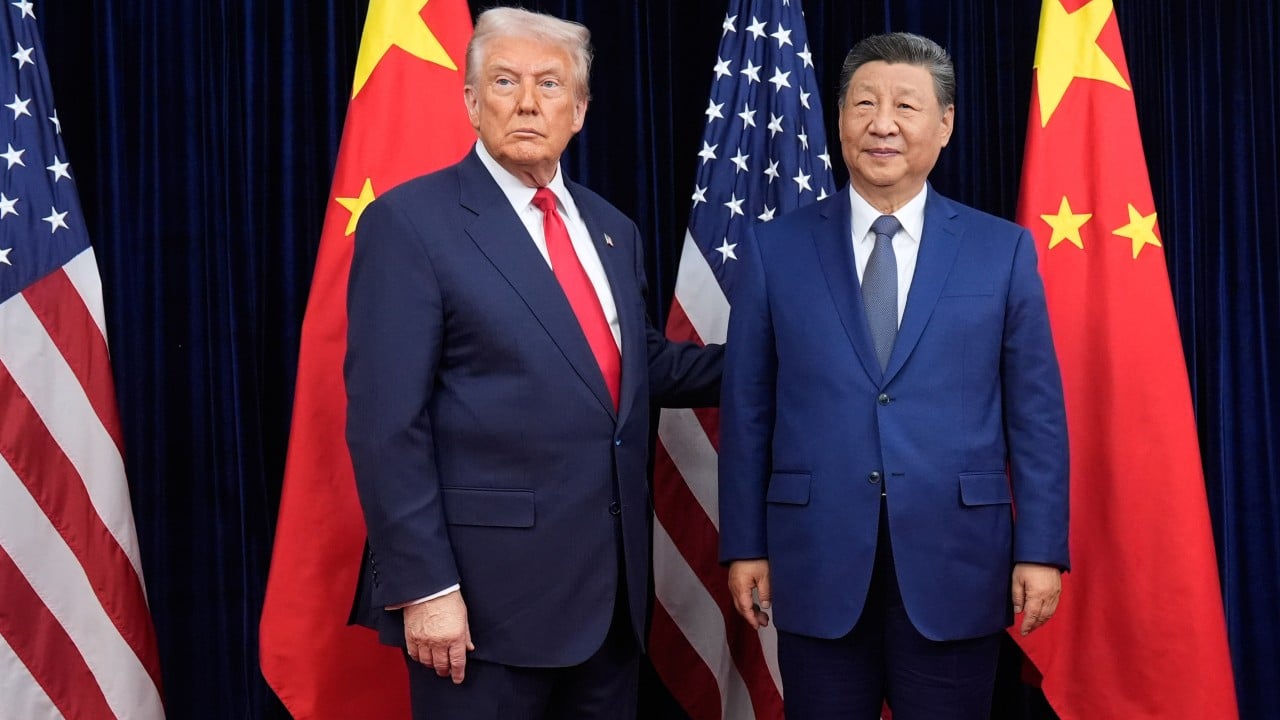
US-Iran Strikes Heighten Tensions Ahead of Trump's Critical China Visit
Intensified US military actions against Iran may destabilize global relations during Trump's trip to China. This escalation underscores the ongoing volatility in the Middle East and divisions between superpowers.
Large-scale US and Israeli military strikes targeting Iran have escalated tensions dramatically, resulting in multiple Iranian casualties, including high-ranking officials. The strikes follow a series of provocations from Iran, including attacks on US interests in the region. These military actions have raised the stakes significantly for President Trump’s upcoming visit to China, scheduled for later this month, potentially distracting from crucial discussions with Xi Jinping.
Historically, US-Iran relations have been fraught with conflict, particularly since the 1979 Iranian Revolution that ousted the US-backed Shah. Years of sanctions, military threats, and proxy battles across the Middle East have created a tense atmosphere. The current bombings are viewed as a direct response to Iran’s increased aggression, including missile threats and drone strikes against US forces in Iraq. Compounding this tension, China has maintained a complex relationship with Iran, often opposing US sanctions while seeking to expand its influence in the region.
The significance of these developments cannot be understated. The US strikes serve as a declaration of military resolve, but also risk escalating regional conflicts amid a delicate global equilibrium. Should Iran retaliate through its network of proxy forces across the Middle East, such as Hezbollah in Lebanon or militias in Iraq, it could draw in other regional powers and further complicate international relations, especially those involving China and Russia.
Key actors in this scenario include the US, Iran, and China, each with competing interests. The US aims to curb Iran's regional influence and nuclear ambitions, while Iran seeks to demonstrate resilience against US aggression. China, observing these hostilities, may feel the need to reassess its strategic posture regarding US military movements and alliances in East Asia, potentially promoting its support for Iran as a counterbalance to US unilateralism.
Operationally, the US military has deployed advanced fighter jets, including F-35s, and conducted airstrikes using precision-guided munitions. The strikes have reportedly targeted military installations and key infrastructure linked to Iran's nuclear program, escalating the risk of a broader conflict. The financial burden of these military operations also weighs heavily on US defense budgets, highlighting the strain of simultaneous engagements in multiple theaters.
The likely consequences of this crisis include a potential Iranian retaliation that could destabilize the already volatile Middle East, heightening the risk of a wider war. Additionally, should Iran's allies launch retaliatory strikes against US assets, it could rapidly spiral into a prolonged conflict, drawing in international actors and complicating global trade routes.
This moment also resonates with historical precedents of the US engaging in military actions that led to unintended escalations. The Gulf of Tonkin incident in 1964 and subsequent escalation in Vietnam serve as cautionary examples of how military engagements can spiral out of control, with significant implications for diplomatic efforts.
Looking forward, intelligence analysts will need to closely monitor Iran's potential responses and wider regional ramifications, particularly any coordination between Tehran and its proxies. Key indicators will include missile activity, troop mobilizations, and the state of US military deployments in the region as Trump’s high-stakes diplomacy unfolds in China. The world will be watching whether strategic meetings can occur amidst rising military conflicts.