US-Iran Peace Talks Face Significant Obstacles
Backchannel discussions between the US and Iran show limited prospects for success, as core ceasefire conditions remain unmet, according to Chinese analysts. Despite President Trump's assertion of productive talks, conflicting narratives persist from both parties.
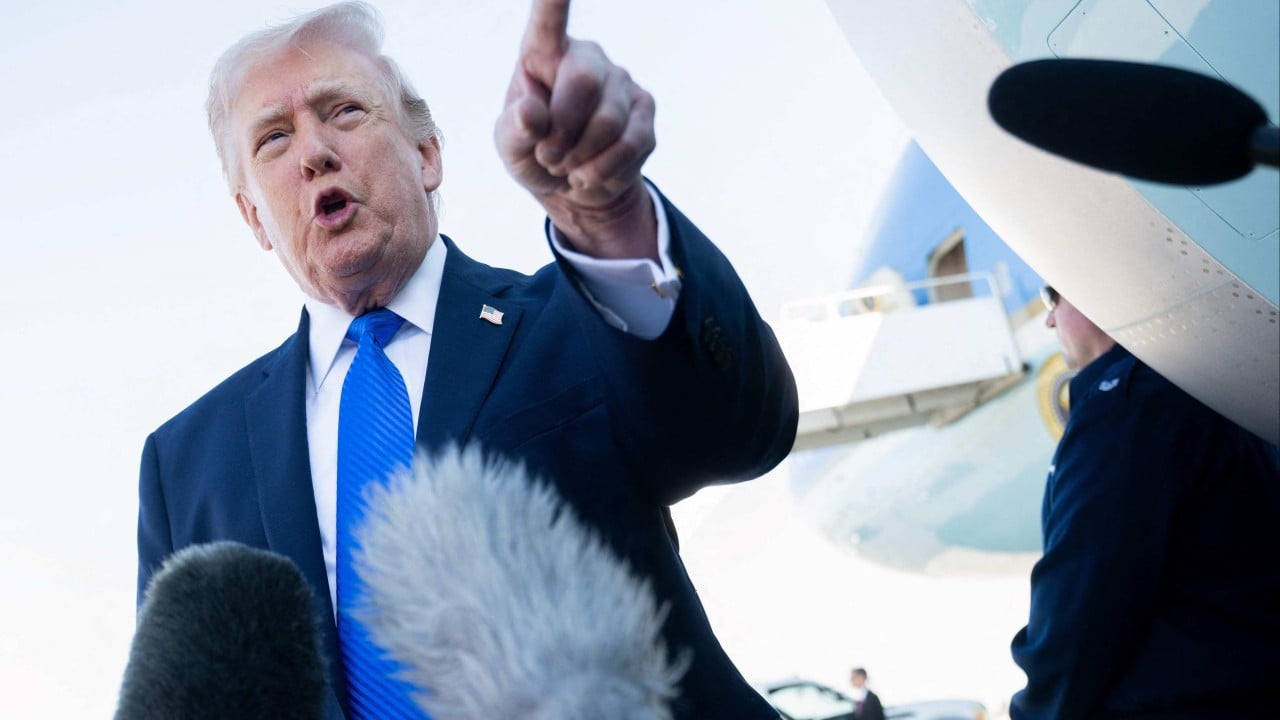
Recent backchannel negotiations aimed at de-escalating tensions between the United States and Iran have raised cautious hopes but remain fraught with challenges. Chinese analysts observe that fundamental conditions required for a ceasefire, such as mutual concessions and security guarantees, have yet to materialize, reducing the likelihood of a breakthrough. President Donald Trump publicly characterized these talks as 'productive,' despite prior threats to target Iranian critical infrastructure if the Strait of Hormuz remained closed. This strategic maritime chokepoint is vital for global oil shipments, amplifying the regional stakes.
Technical details of the discussions are sparse, but the conflicting reports from Iranian and American officials highlight unresolved distrust and divergent political objectives. The US demands cessation of Iran’s nuclear and ballistic missile activities, while Tehran insists on lifting economic sanctions and respecting its sovereignty. These opposing conditions complicate mediation efforts.
The strategic significance of a lasting agreement would extend beyond bilateral relations, potentially stabilizing energy markets and reducing the risk of wider regional conflict. Key defense contractors and policy makers in Washington monitor these talks closely, anticipating impacts on defense posture and procurement plans related to Middle Eastern security contingencies.
Given the intricate geopolitical dynamics and the entrenched positions on both sides, experts suggest that only sustained dialogue and incremental confidence-building measures could pave the way toward a durable accord. Absent such progress, the risk of military escalation remains significant.