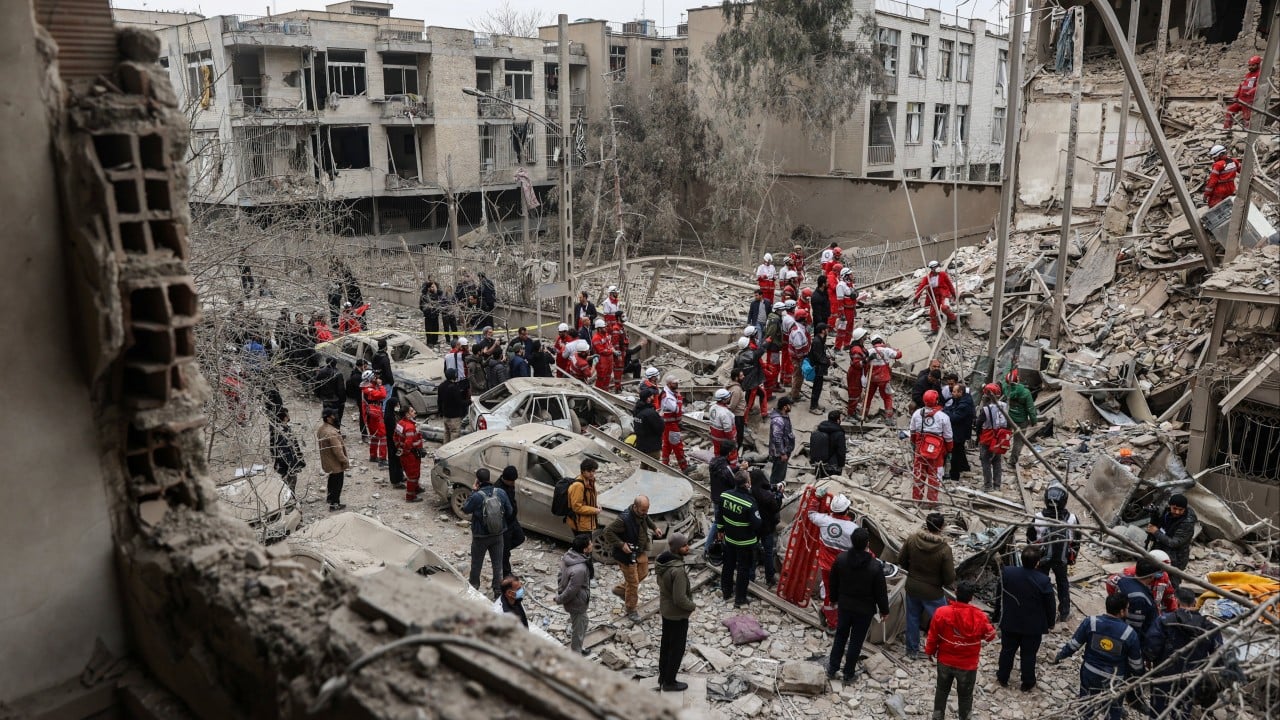
US-Iran Ground Clash Risks Escalate, Southeast Asia Fuel Crisis Worsens
The potential deployment of US ground forces in Iran risks major escalation with Tehran, while Southeast Asia faces intensifying fuel shortages threatening regional stability. Xinjiang's rare salmon conservation highlights tensions over natural resource management.
US plans for possible ground incursions into Iran risk triggering a direct military confrontation with Tehran, Chinese experts warn. These operations aim to constrain Iran’s influence but carry unpredictable consequences for the vital Strait of Hormuz, a crucial global oil chokepoint. Meanwhile, Southeast Asia struggles with a worsening fuel crisis compounded by supply chain disruptions and rising demand.
Chinese analysts emphasize that a ground conflict in Iran could destabilize the wider Middle East and disrupt energy supplies globally. The Strait of Hormuz remains vulnerable, with reopening its passages uncertain amid mounting hostilities. Simultaneously, Southeast Asian nations face economic setbacks and potential civil unrest due to fuel scarcities.
Strategically, the US-Iran tension threatens to redraw power balances in the Persian Gulf, implicating Russia, China, and Gulf states. Southeast Asia’s fuel shortfalls expose the fragility of regional energy dependencies, while Xinjiang’s endangered salmon conservation underscores Beijing's efforts to assert environmental control amid internal ethnic tensions.
Technically, US forces contemplate deploying several thousand ground troops and advanced armored vehicles for potential strikes inside Iran. Southeast Asia sees fuel prices spike by over 40%, with inventories at historic lows and disrupted maritime logistics. Xinjiang’s salmon, a species surviving only in select mountain streams, face ecological threats exacerbated by regional development projects.
Forward outlook warns of rapid escalation risks in Iran’s conflict zone that could extend to global energy markets. Southeast Asia must accelerate diversification of fuel sources or risk socio-economic upheaval. Meanwhile, environmental and ethnic frictions in Xinjiang persist, with natural resource control a flashpoint in China's broader regional governance challenges.