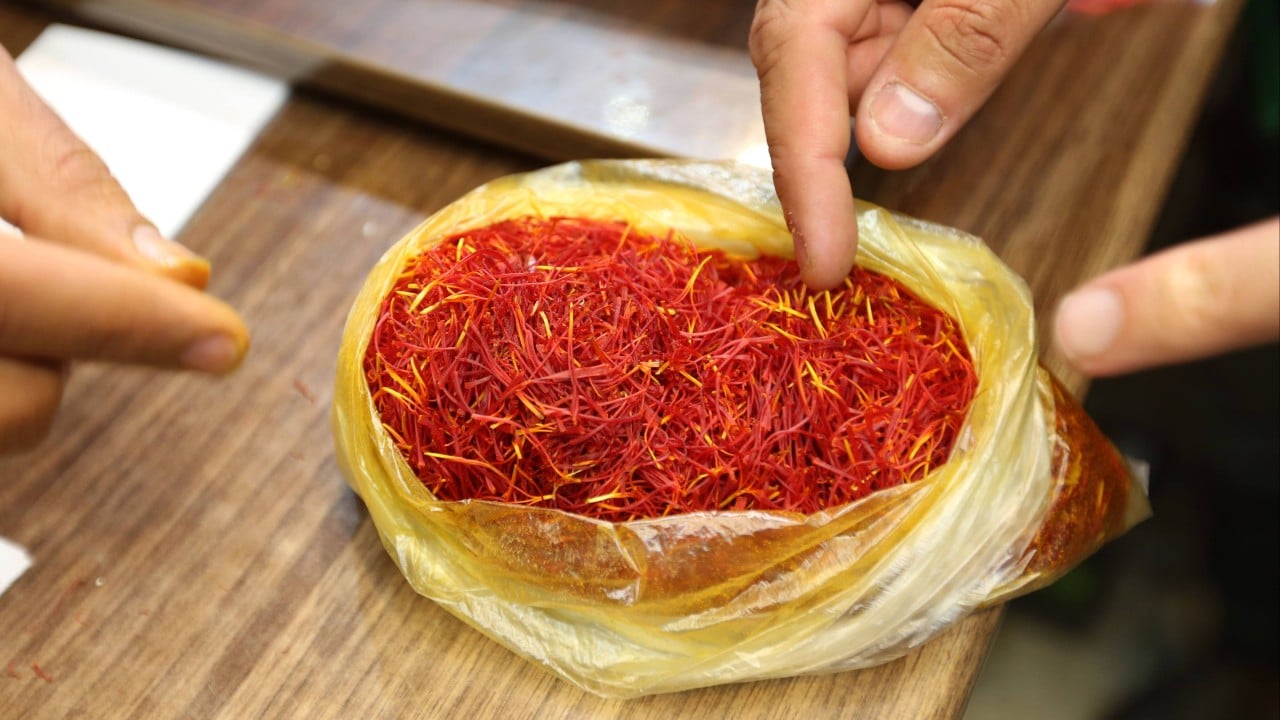
US-Iran Crisis Disrupts Global Saffron Supply, Threatens Chinese Investments
The escalating US-Iran conflict jeopardizes critical commodity supply chains, including saffron, impacting Chinese investors. This disruption signals broader economic vulnerabilities amid rising geopolitical tensions.
The ongoing US-Iran conflict is escalating, with significant repercussions extending beyond oil markets to disrupt global saffron supplies vital for various industries, including health and wellness products. Chinese retail investors are increasingly alarmed as they seek clarification from companies regarding the potential fallout from deteriorating relations and its impact on essential commodity imports such as fertilizers and pharmaceuticals involving saffron-derived extracts.
Historically, the US-Iran tensions have fluctuated, marked by sanctions and military posturing, but the current situation represents a significant escalation. With oil prices spiking due to potential supply disruptions, the ripple effects of instability in the Middle East are being felt worldwide. The saffron supply chain, already precarious due to climate issues and regional conflicts, is now further strained as international sanctions tighten and trade routes become volatile.
This situation is particularly concerning given the strategic economic dependencies involved. Saffron is not just a luxury spice but a critical component in multiple sectors, from pharmaceuticals to traditional medicine. With Iran supplying over 90% of the world's saffron, any disruption in its trade route directly impacts global availability and pricing, posing a significant risk to Chinese investors relying on these commodities for their business operations.
Key actors in this situation include the Iranian government, which is intensifying its efforts to maintain exports despite sanctions, and the United States, which continues to exert economic pressure. China, as a leading importer, occupies a precarious position as it must navigate these escalating tensions while managing its economic interests in Iran and globally. Investors are understandably concerned about how governmental restrictions may limit access to vital resources.
Operationally, saffron's market fluctuates significantly, driven by the delicate nature of its production and the geopolitical climate. The value of Iranian saffron-reaching approximately $500 per kilogram in international markets—means that any disruption can lead to price surges, severely affecting global supply networks. Furthermore, the potential famine risks posed by interruptions in fertilizer imports can exacerbate agricultural yields both in China and beyond, leading to broader food security concerns.
The consequences of this growing crisis are multiple and complex. Should Iran experience further sanctions or military confrontations, the entire saffron supply chain could be irreparably damaged. The risk of escalation in military engagements could also lead to more countries reassessing their trade policies and dependencies on Iranian commodities, creating a cascading effect through global economies.
Historically, similar tensions have led to market volatility; for example, during the oil embargoes of the 1970s, significant sectors faced abrupt supply interruptions. The current situation serves as a reminder of how geopolitics can sharply alter market dynamics, underscoring vulnerabilities in dependency on single-source commodities.
Looking forward, observers should closely monitor developments in US-Iran relations, particularly any new sanctions or military actions that could further destabilize the region. Additionally, shifts in Chinese investment strategies in response to these dynamics will also be crucial indicators of how this crisis impacts global economic interconnectedness. Key intelligence indicators include trade volume trajectories, government responses, and alternative sourcing strategies being pursued by major economies reliant on saffron and other Iranian exports.