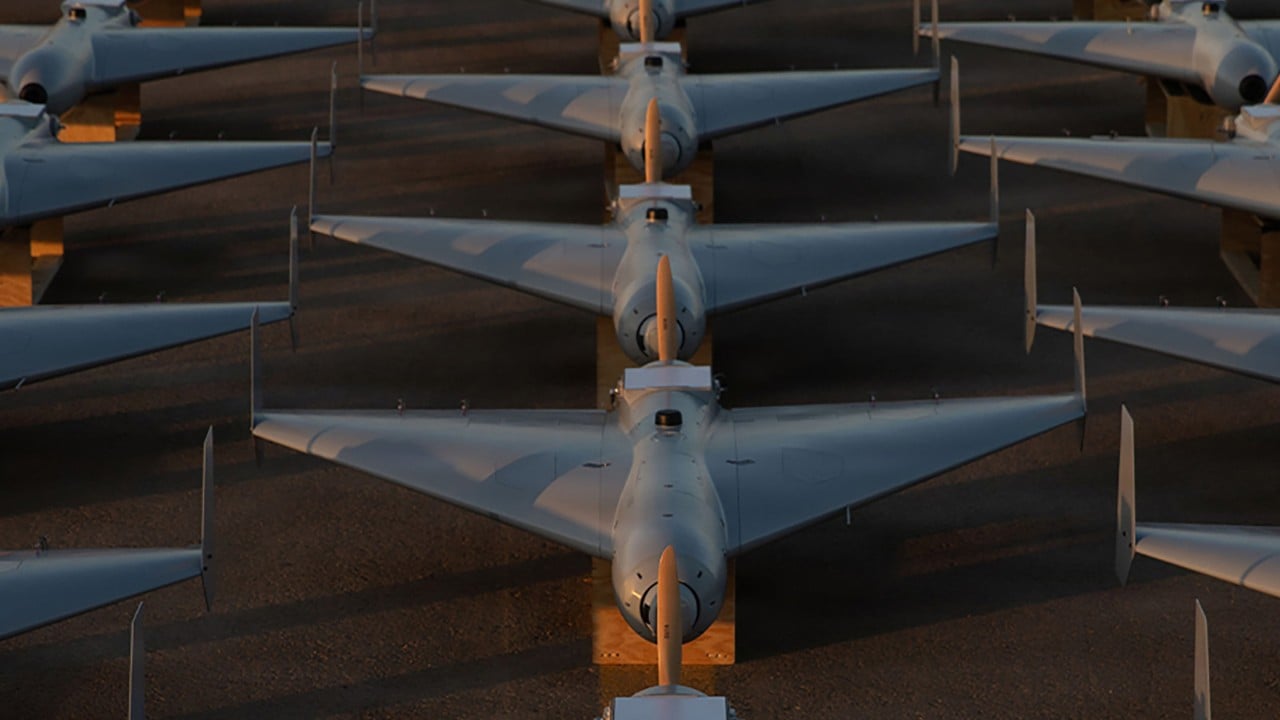
US-Iran Conflict Escalates with Advanced Weapons Strikes
The recent US-Israel attacks on Iran and Tehran's counterstrikes escalate regional tensions, showcasing new weaponry capabilities from both sides. The implications for global security dynamics, especially near China, are profound.
The joint US-Israel assault on Iranian targets culminated in a series of precise strikes, utilizing the advanced Tomahawk Land-Attack Missiles. Launched from Arleigh Burke-class destroyers on February 28, these strikes mark a significant escalation in the ongoing conflict, demonstrating both the depth of the US-Israel partnership and Iran's vulnerabilities to high-precision attacks. Iran's immediate retaliatory strikes targeted multiple urban centers, revealing the precarious state of regional stability.
Tensions between the US and Iran have skyrocketed since the US withdrawal from the 2015 nuclear agreement, enabling Iran to expand its missile capabilities and influence across the Middle East. This recent round of conflict stems from a series of provocations, including Iran's continued missile development and aggressive regional maneuvering, along with increasing support for proxy groups across the region. The atmosphere is charged, as both sides gear up for increasingly potent military engagements.
This conflict escalation is significant as it exposes the fragility of the current balance of power in the Middle East, with potential ripple effects on global security. The conflict's fallout could have implications for international energy markets, regional alliances, and could provoke actions from other military powers, including China and Russia, who are closely monitoring the involved technologies and tactics. The deployment of advanced weapons on both sides introduces new strategic calculus, especially for US allies in the region.
Key actors are driven not just by military superiority but also domestic political considerations. The US aims to display strength and deter Iranian aggression while Israel seeks to neutralize perceived existential threats from Iranian proxies. Iran, on the other hand, is intent on demonstrating resilience and capability despite facing overwhelming military odds, seeking to preserve its standing in the region and rally its populace against perceived external aggressors.
Operationally, the Tomahawk Land-Attack Missiles can strike targets over distances exceeding 1,500 kilometers, providing the US and Israel a significant edge in striking high-value targets with a small operational footprint. Reports suggest that Iran’s counterstrikes employed domestically produced missiles, likely including the Qadr and Sejjil, indicating an increasing sophistication in its military strategy. The financial implications of this conflict are staggering; the US has reportedly invested upwards of $1 billion in recent military operations in the region.
The likely consequences include a heightened risk of miscalculation, as both the US-Israel coalition and Iranian forces may respond provocatively to small skirmishes or UAV incursions. The risk of direct military encounters between US forces and Iranian proxies in neighboring theaters, particularly in Iraq and Syria, could lead to a broader regional crisis. Furthermore, as Iran seeks alliances, involvement from other powers could increase.
The historical parallels to the 1980s Iran-Iraq War comes to mind, where an extended conflict saw significant regional powers engaged. The ebb and flow of military technology seen today mirror the strategic evolutions of that era, underscoring how military capabilities shape geopolitical outcomes. Additionally, the precedent of proxy warfare in the region could also push Iran to employ asymmetric tactics to counterbalance conventional military deficits.
Moving forward, attention should be paid to an expansion of military operations by both sides, particularly any shifts in Iranian missile testing programs or additional responses to US-Israel operations. Intelligence indicators of troop movements, weapon systems deployment, and potential alliances with other regional actors will be critical to understanding how this tense situation evolves. The interplay of missile technology and regional power politics remains a key focal point for security analysts worldwide.