US Intensifies Air Strikes in Iran Amidst Diminished Resistance
The US has escalated military operations in Iran, signaling a significant shift in conflict dynamics. Tehran's reduced military capability has not deterred its commitment to continue resisting US forces.
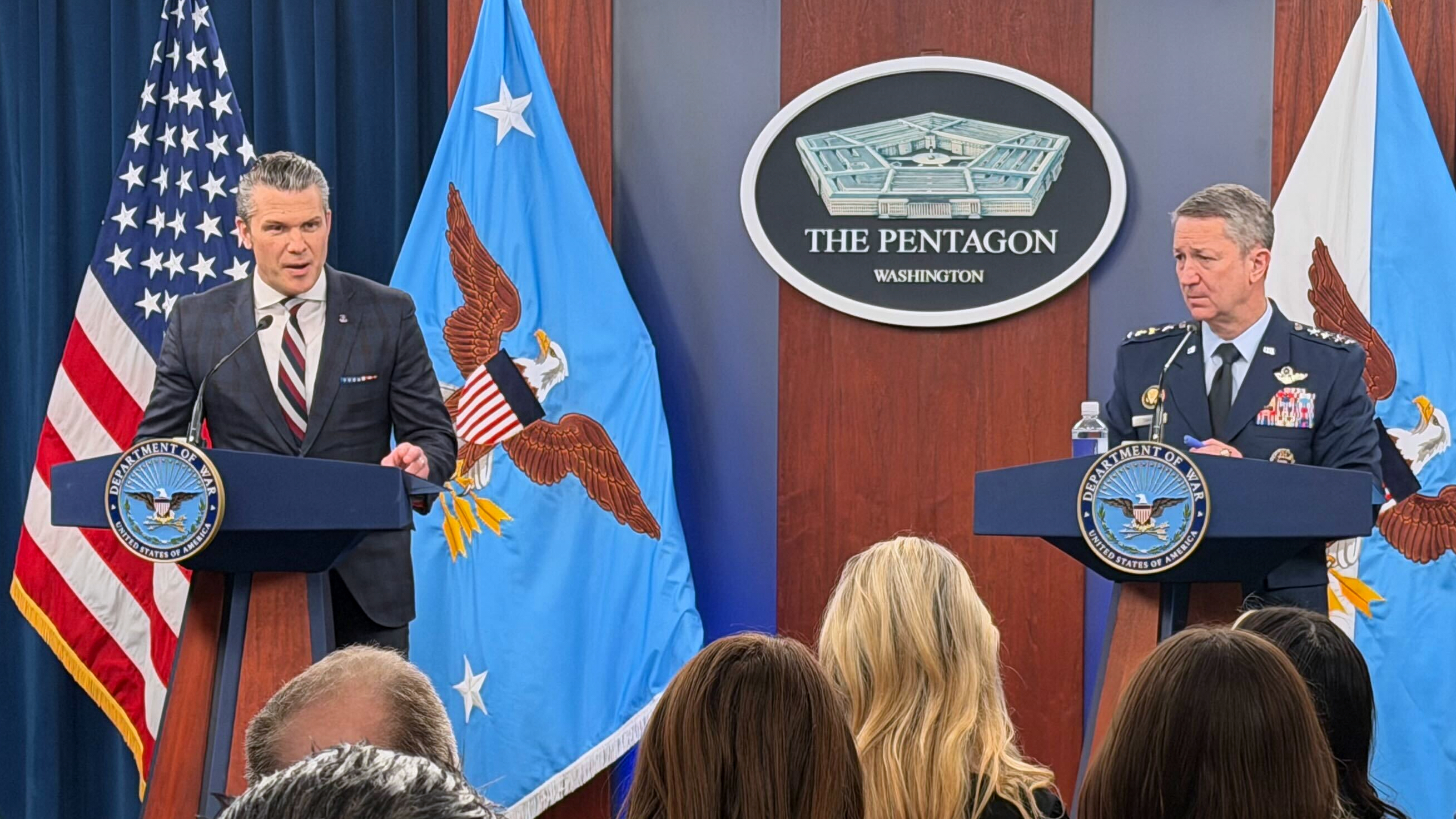
The United States has launched its most intense air strikes in Iran to date, according to Defense Secretary Pete Hegseth. This surge in military activity comes as Iran, despite facing diminished firepower, has vowed to continue its resistance against US forces. The escalation marks a critical turning point in the ongoing conflict, with potential implications for regional stability and military strategy.
The backdrop to this development stems from months of escalating tensions between Washington and Tehran, highlighted by a series of skirmishes and unsuccessful peace talks. The US retaliatory strikes targeting Iranian military installations are part of a broader strategy to suppress Iran's influence in the region, which has been perceived as a threat by both US and allied forces. The Islamic Republic’s recent setbacks on the battlefield have only exacerbated its determination, signaling a possible shift towards more desperate measures as its military capabilities dwindle.
This sudden intensification of conflict forces analysts to reconsider the regional security landscape, revealing vulnerabilities in both Iranian defense and US operational strategy. The risk of broader conflict in the Middle East increases substantially, as any miscalculation could draw in additional actors. Iranian resolve in the face of military pressure raises entire new avenues for asymmetrical warfare, potentially destabilizing surrounding countries.
Key actors in this volatile situation include Iran’s ruling clerics, who are motivated not only by national pride but by a deeply ingrained ideology that mandates resistance against perceived imperialism. Simultaneously, the US administration's contradictory messaging under President Trump raises questions about its long-term resolve and objectives—whether to contain Iran completely or to maintain a protracted engagement.
Recent reports indicate that US strikes target specific military facilities, diminishing Iran’s operational readiness in the short term, but whether this will yield a strategic advantage remains uncertain. Additionally, the US is reportedly deploying advanced weaponry, including precision-guided munitions, to maximize strike efficacy while minimizing civilian casualties. Exact figures on strike effectiveness remain unclear, and casualties on both sides are yet to be reported, but the stakes are exceedingly high.
The likelihood of escalation now rests heavily on Iran's response. The regime's determination to fight back could lead to asymmetric operations targeting US interests or allies throughout the region, potentially involving missile strikes or proxy engagements. Any retaliation from Iran could spark a broader military response from the US, further entrenching the conflict with no clear exit strategy.
Looking at historical parallels, previous engagements in the Middle East illustrate how quickly conflicts can spiral out of control. The US invasion of Iraq and the subsequent insurgency serve as notable examples of underestimating an adversary's resolve, leading to drawn-out engagements with significant loss of life and treasure.
As the situation unfolds, strategic watchers should focus on Tehran's military movements and rhetoric, as well as the implications of further US deployments in the region. Key indicators to observe include Iranian missile tests, troop mobilizations, and statements from both US military leaders and Iranian officials, as these could signal further escalations or attempts at diplomatic overtures.