US Intel Confirms Military Intervention in Iran Won't Lead to Regime Change
A recent intelligence assessment underscores the futility of US military intervention in Iran, highlighting critical limitations on achieving regime change. This revelation raises significant implications for US foreign policy and strategic posture in the Middle East.
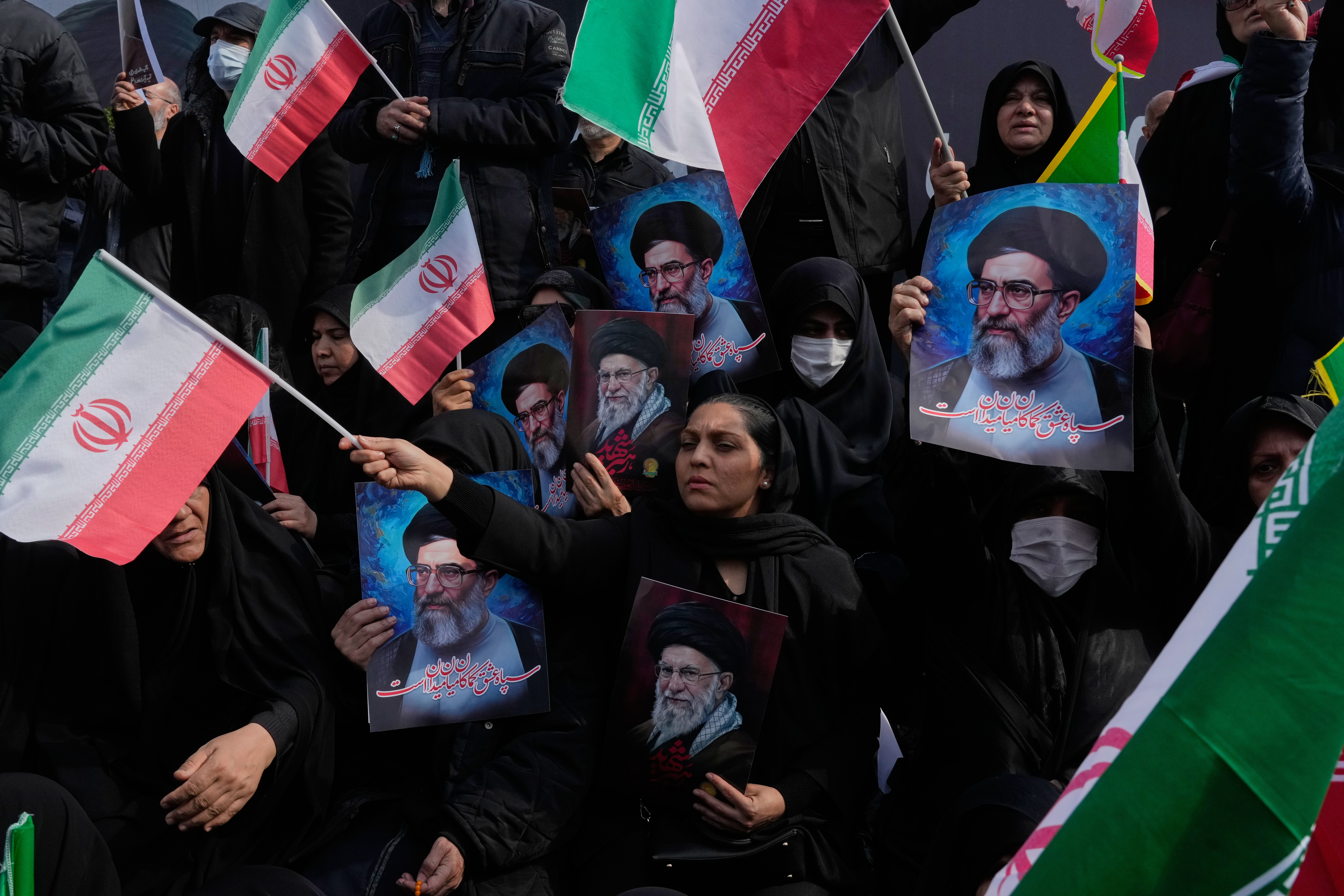
A recent February intelligence assessment revealed that American military intervention in Iran would likely fail to instigate regime change within the Islamic Republic. This stark conclusion contradicts the long-held assumptions about the efficacy of US military force in reshaping foreign governments. Analysts have consistently pointed to the resilience of the Iranian regime amidst external pressures, yet this assessment firmly puts to rest any notions of a successful military outcome.
The backdrop of this intelligence report is steeped in decades of tension between the US and Iran. Since the 1979 Islamic Revolution, the United States has designed numerous strategies to weaken the Iranian government, ranging from economic sanctions to direct military threats. However, historical attempts to influence Iran's internal politics have repeatedly demonstrated the regime's capacity to leverage external crises to consolidate power and foster nationalistic sentiments. This resilience has been displayed notably since the Trump administration's withdrawal from the Joint Comprehensive Plan of Action (JCPOA) in 2018, which further complicated US-Iran relations.
The significance of these findings cannot be overstated. Acknowledging the likelihood of failure in effecting regime change exposes the strategic vulnerabilities of US military capabilities and geopolitical maneuvering in the region. It raises critical questions about the viability of American approaches to countering Iranian influence, especially as Tehran continues to expand its presence through proxies in Lebanon, Syria, and Iraq, thereby increasing its regional footprint and power.
Key actors behind this assessment include not only US intelligence agencies but also policymakers who have influenced military plans historically. The growing realization among US analysts that military action will not yield the desired outcome indicates a possible recalibration of Washington's strategic objectives in the Middle East. US officials may begin advocating for alternative measures, such as diplomatic engagement or enhanced economic sanctions, though the effectiveness of these alternatives remains unproven.
Operationally, the assessment reflects on recent military successes and failures within Iran's defense architecture as well, which has shown remarkable resilience against external military threats. While the US appears poised to potentially commit forces or exert military pressure, the Iranian military capabilities, including advanced missile technologies and a relatively prepared paramilitary response, continue to undermine American strategic advantages.
The revelations are likely to shift the dynamics of US-Iran relations further into a confrontational stance, as the Iranian government may perceive this assessment as proof of American impotence. Escalation could take various forms, including heightened cyber operations or increased proxy hostilities, particularly in regions where direct US-Iran confrontation remains concentrated.
Looking at historical precedents, this scenario parallels episodes from the early 2000s, when US military interventions in Afghanistan and Iraq resulted in protracted conflicts without achieving overarching political goals. The repetition of past mistakes raises concerns about whether US policymakers are adequately prepared to address the consequences of military actions that fail to bring about regime changes.
In the coming months, stakeholders must monitor several indicators that could signify shifts in both US policy and Iranian responses. Key elements to watch will include changes in military deployments in the Persian Gulf, Iranian military drills along borders, and shifts in rhetoric from both US and Iranian leadership as geopolitical tensions continue to define the landscape in this critical region.