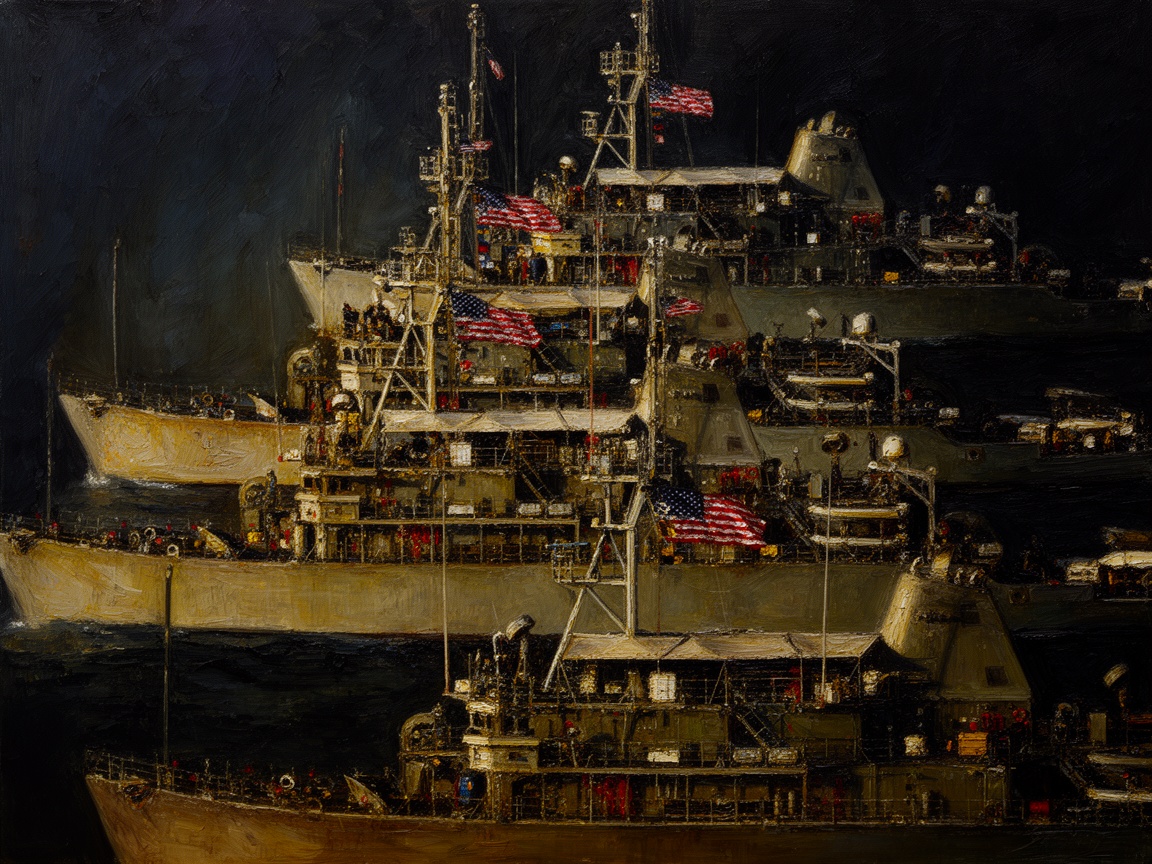
US general clarifies Iranian ports under blockade, not Strait of Hormuz
A high-ranking US general states the blockade targets Iranian ports, not the Strait of Hormuz itself. The clarification underscores US aims to constrain Iranian maritime traffic while avoiding broader strait restrictions. The move signals a tense phase in Gulf security dynamics and risks of escalation with Tehran.
The general’s briefing bluntly sets the scope: Iranian ports are under blockade, while the Strait of Hormuz remains not officially closed. This distinction matters for international shipping and regional deterrence. It also leaves a pathway for diplomatic maneuvering, should negotiations resume on maritime access and sanctions enforcement. The clarification follows recent carrier and tanker movements near the Gulf, raising questions about what constitutes control at sea.
Background context centers on the long-standing competition for maritime chokepoints in the Persian Gulf. Iranian ports, including Bandar Abbas and Qeshm, are critical for Tehran’s trade and revenue. The US position aims to degrade Iran’s ability to fund and fuel its regional proxies without triggering a full closure of the Hormuz. Regional allies watch these moves closely as they influence sea lanes essential to global energy flows.
Strategic significance emerges from the posture: the US attempts to pressure Iran while avoiding a wholesale strait blackout that would attract wider retaliation. The Gulf states rely on predictable access to international markets, complicating any abrupt blockade decision. The distinction also tests Iran’s balancing options between escalatory rhetoric and cautious diplomacy.
Technical/operational details include the reported area of enforcement along port approaches and the absence of formal strait closure orders. Specific ship movements, port controls, or naval zones of operation remain undisclosed. Budget or force allocation numbers are not disclosed in the briefing. The overall tactic relies on port disruption, inspections, and targeted sanctions rather than a blanket maritime ban.
Likely consequences and forward assessment point to heightened friction in the Gulf with potential spillover into global insurance, shipping costs, and energy markets. Tehran may respond by accelerating port-side countermeasures or increasing anti-access/area-denial (A2/AD) postures around key harbors. Diplomatically, the situation risks narrowing room for dialogue while maintaining a credible deterrent against Iranian exports and arms flows.