US Eyes Japan to Clear Strait of Hormuz Mines Post-Ceasefire
The United States plans to rely on Japan for mine clearance in the critical Strait of Hormuz following a ceasefire agreement. This move underscores the strategic importance of the strait and signals increased regional security cooperation amid ongoing tensions. The operation could redefine naval roles in this high-risk corridor for global oil shipments.
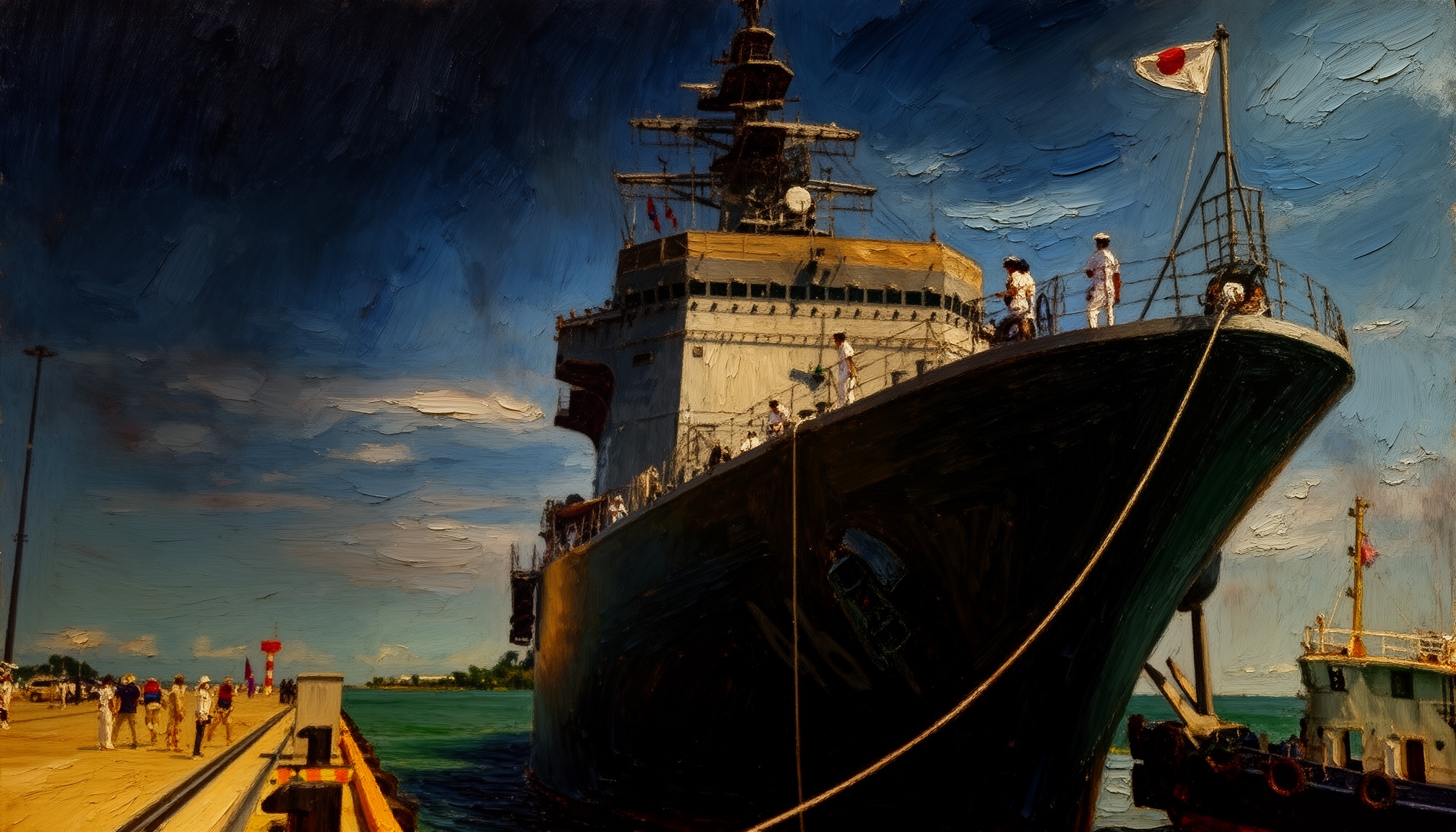
The United States is preparing to depend on Japan to clear naval mines from the Strait of Hormuz after reaching a ceasefire agreement related to recent regional conflicts. This development reflects a shift towards burden-sharing among key allies to secure vital maritime routes. The US seeks to leverage Japan’s specialized mine-clearing capabilities to ensure safe navigation through one of the world’s most strategically sensitive waterways.
The Strait of Hormuz serves as a crucial chokepoint for nearly a fifth of the global oil trade, making any threat of mines or disruption a direct risk to international energy markets and security. Recent hostilities have raised concerns over the possibility of mine-laying by state and non-state actors aiming to exert pressure on shipping lanes. The ceasefire has opened channels for collaborative maritime security efforts between the US, Japan, and regional partners.
Strategically, entrusting Japan with mine clearance tasks highlights Tokyo’s growing role in international security beyond its immediate regional focus. It also reflects Washington's intent to distribute operational responsibilities amid rising geopolitical challenges around Iran and the Persian Gulf. For Japan, participation aligns with its expanding security posture and commitment to maintaining the free flow of commerce.
Technically, Japan is deploying advanced mine countermeasure vessels equipped with sonar systems and remotely operated underwater vehicles. These assets enable detailed seabed mapping and precise neutralization of mines without endangering crews. The US will provide support through intelligence sharing, logistical assistance, and naval escort forces to safeguard Japanese teams throughout the operation.
Looking ahead, this cooperation could set a precedent for deeper security coordination in the Gulf region. Successful clearance of mines will lessen the risk of future disruptions, stabilizing energy costs and reinforcing alliances. However, it also risks escalating tensions with Iran, which may perceive increased foreign naval activity as provocative. Both Washington and Tokyo must balance operational success with diplomatic caution to prevent renewed conflict.