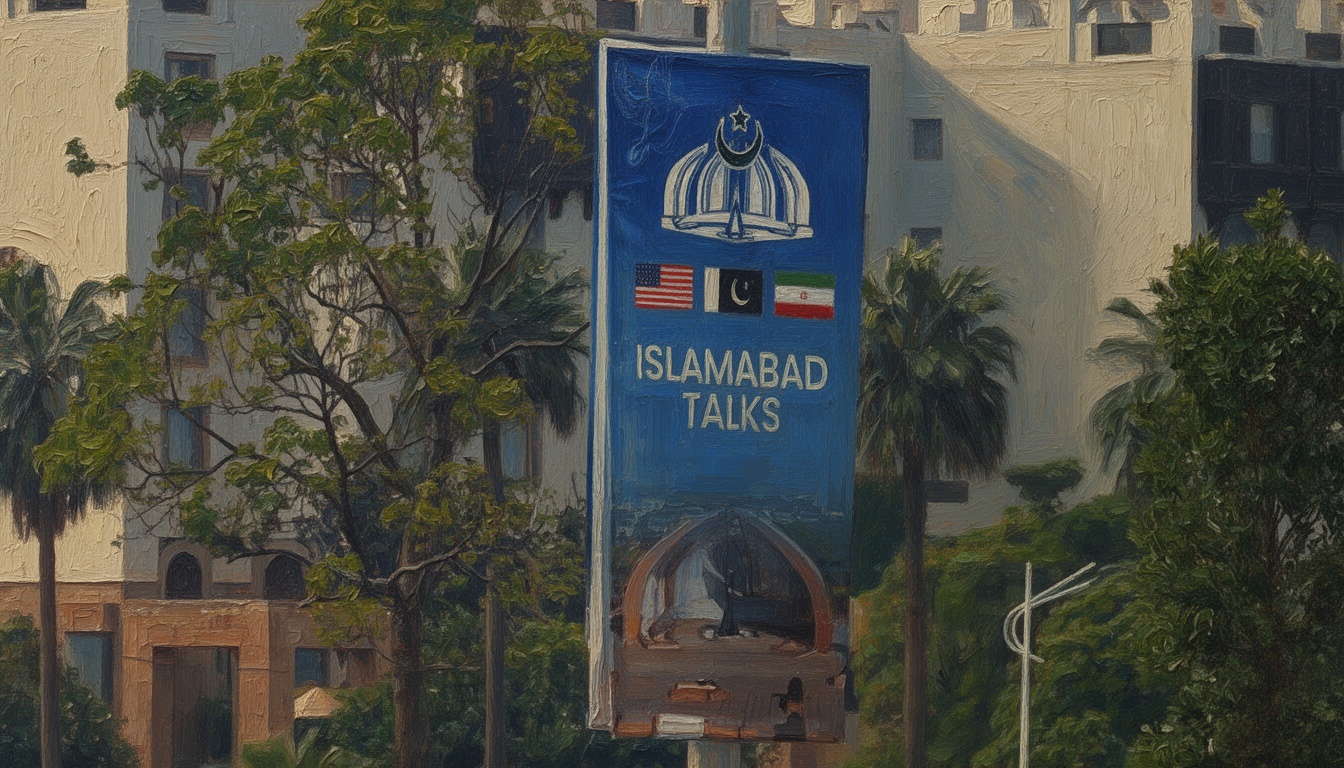
US Envoys to Islamabad as Iran Rejects Direct Talks with Washington
US special envoys prepare to press Tehran-backed ceasefire talks while Iran rejects direct negotiations with US representatives. The outreach occurs as talks stall, and regional airstreams of energy and security interests intensify. The situation hinges on whether Washington can recalibrate its diplomacy to a more constrained, indirect track amid Tehran’s insistence on separated channels.
US envoys are traveling to Pakistan this weekend in a renewed push to salvage ceasefire talks with Tehran, even as Iran rejects direct negotiations with US representatives. The trip signals an escalation in diplomatic pressure aimed at keeping any ceasefire process alive while direct contact remains off the table. Washington seeks to reframe the terms of engagement around a verifiable pause in hostilities, with Islamabad positioned as a regional interlocutor and potential logistical hub for talks. Tehran’s arrival stance, meanwhile, underscores a preference for indirect channels and for bargaining positions anchored in regional leverage. The net effect is a fragile diplomatic balancing act that could determine whether a broader agreement remains within reach or slips into stalemate.
Context matters. The last round of talks stalled over mutual demands, with Tehran insisting on guarantees and enforcement mechanisms that satisfy its security concerns, while the US pressed for verifiable dispute-resolution steps. Pakistan has long been a conduit for back-channel diplomacy between Tehran and Western powers, offering logistical space and regional credibility. The timing coincides with heightened alarm over energy security and maritime access in the Gulf, where even a limited halt to Hormuz traffic reverberates through global markets. Regional actors watch closely for signs of renewed compromise or a slide back toward escalation. The broader backdrop includes competing narratives on sanctions relief, ballistic-missile constraints, and the role of external powers in sustaining a fragile ceasefire framework.
Strategically, the talks illuminate the shifting calculus of deterrence and leverage. Washington seeks to deter renewed cross-border hostilities while avoiding a broader confrontation that could draw in allies and rival powers. Tehran, for its part, uses the pause to solidify its diplomatic posture and to press for concessions tied to its regional influence and economic relief. The Islamabad visit tests whether a middle-ground platform can sustain talks through practical channels, even if the core issue—direct US-Iranian engagement—remains unresolved. The outcome will shape regional risk assessments and influence how nearby states calibrate their own security postures in the Horn of Africa, Persian Gulf, and beyond.
Operational details remain tight, but several elements are apparent. US envoys aim to secure a framework for a monitored ceasefire with mutual verification, likely tethered to incident reporting, hotspot de-escalation, and phased confidence-building measures. The focus includes stabilizing maritime lanes and protecting energy shipments, given the Strait of Hormuz disruptions that have a cascading effect on pricing and reliability. Iran’s refusal of direct talks raises questions about the channels through which any enforcement guarantees will be delivered and who will supervise compliance. The discussions will also test the resilience of Pakistan’s diplomatic engagement and its capacity to broker technical arrangements under pressure from competing alliances.
Looking ahead, the crisis hinges on whether back-channel diplomacy can translate into tangible, time-bound steps that reduce volatility without surrendering strategic aims. If a workable mechanism emerges, markets may breathe a sigh of relief and regional actors could realign expectations around security guarantees and energy resilience. If not, the risk of episodic escalations remains elevated, with a renewed emphasis on deterrence, signaling, and alliance coordination. Washington will likely press for a measurable ceasefire cadence and enforceable penalties for violations, while Tehran will seek to preserve room for maneuver in its regional gambits. Islamabad’s role will be tested as a credible broker capable of sustaining pressure for concrete concessions from all sides.