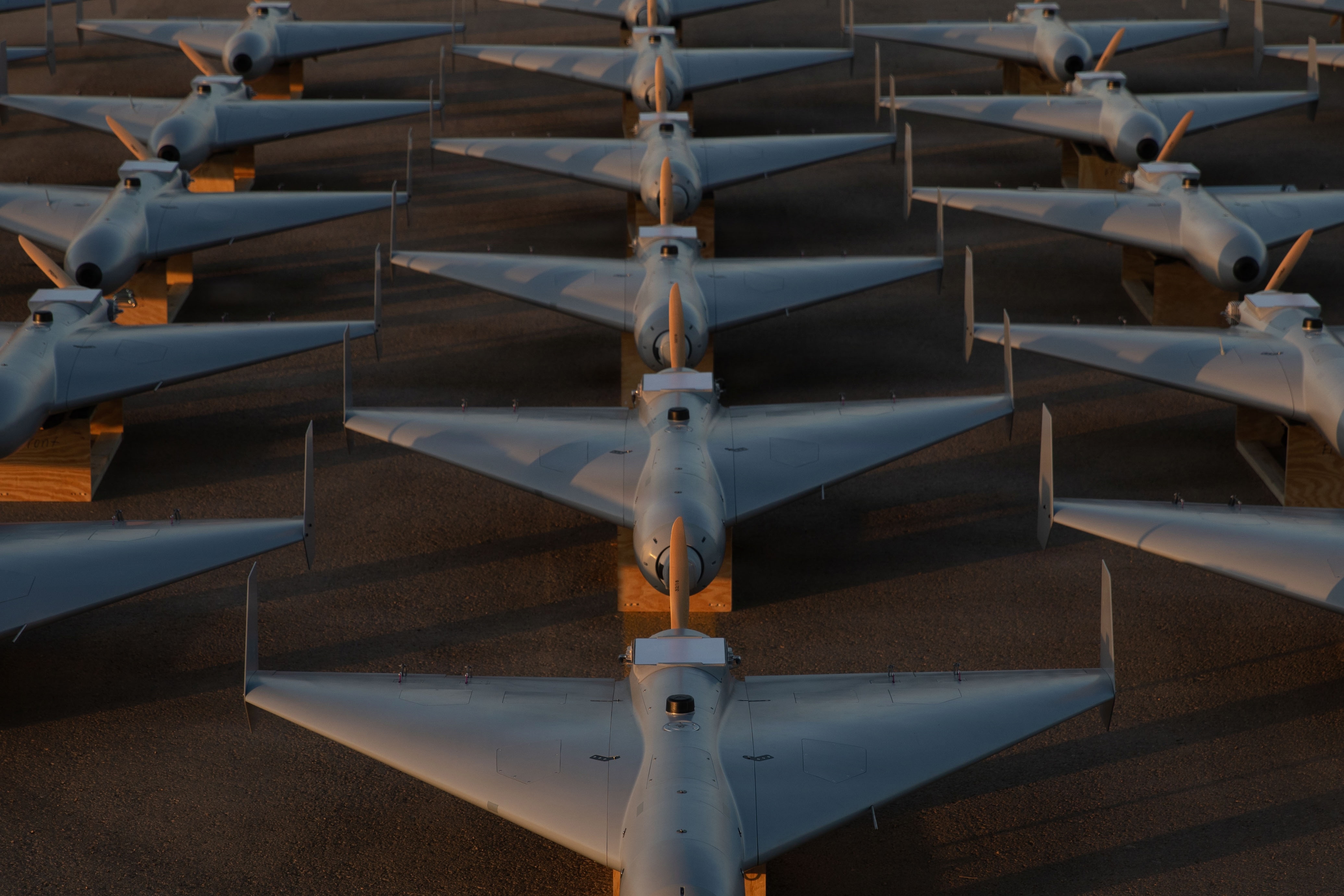
US Employs LUCAS Drone in Combat Operations Against Iranian Targets
The US military has confirmed the operational deployment of the LUCAS drone, a one-way attack system, during recent strikes in Iran. Developed as a cost-effective response to advancements in drone warfare, LUCAS is based on reverse-engineered designs inspired by the Iranian Shahed-136.
In a significant development in unmanned warfare, the United States military has officially reported the first combat utilization of the Low-cost Unmanned Combat Attack System (LUCAS) drone in targeted strikes in Iran. This drone represents a strategic response to the growing threat posed by adversarial unmanned combat drone systems, specifically those derived from the Iranian Shahed-136. The LUCAS system is designed for one-way missions, emphasizing a cost-efficient asymmetric approach to engagement against higher-end targets.
The LUCAS drone is engineered with a focus on affordability and simplicity, allowing rapid production and deployment. Its design reportedly retains critical attributes of the Shahed-136, including aerodynamic efficiency and payload delivery capabilities, while integrating enhanced navigation systems for precision strikes. The drone is built to execute missions autonomously, negating the risks associated with manned operations in hostile territories. The exact specifications remain classified, yet the capabilities include a substantial range for strike operations and the adaptability to various payloads.
The strategic implications of employing LUCAS in combat operations are profound. By utilizing this drone system, the US military enhances its deterrence capabilities in the Middle East, demonstrating versatility in engaging threats that emerged in response to evolving drone technology utilized by adversaries. The deployment of LUCAS addresses the tactical need for effective countermeasures against swarm tactics and low-cost drone systems that are becoming increasingly prevalent in contemporary warfare.
Manufactured through a partnership of defense contractors focused on rapid innovation in unmanned systems, LUCAS underscores the shift towards integrating low-cost, high-impact technologies into US military operations. This operational usage reflects a broader trend where nations develop and deploy drone technology not merely for surveillance but as offensive platforms capable of delivering payloads against defined targets.
In terms of potential applications, LUCAS could proliferate beyond conventional combat scenarios. It is likely to find uses in intelligence, surveillance, and reconnaissance (ISR) missions, as well as in counter-terrorism and anti-insurgency operations. Furthermore, the concept of one-way drones could pave the way for future military strategies that prioritize swarm tactics and distributed systems of engagement, potentially reshaping aerial combat dynamics on a global scale.