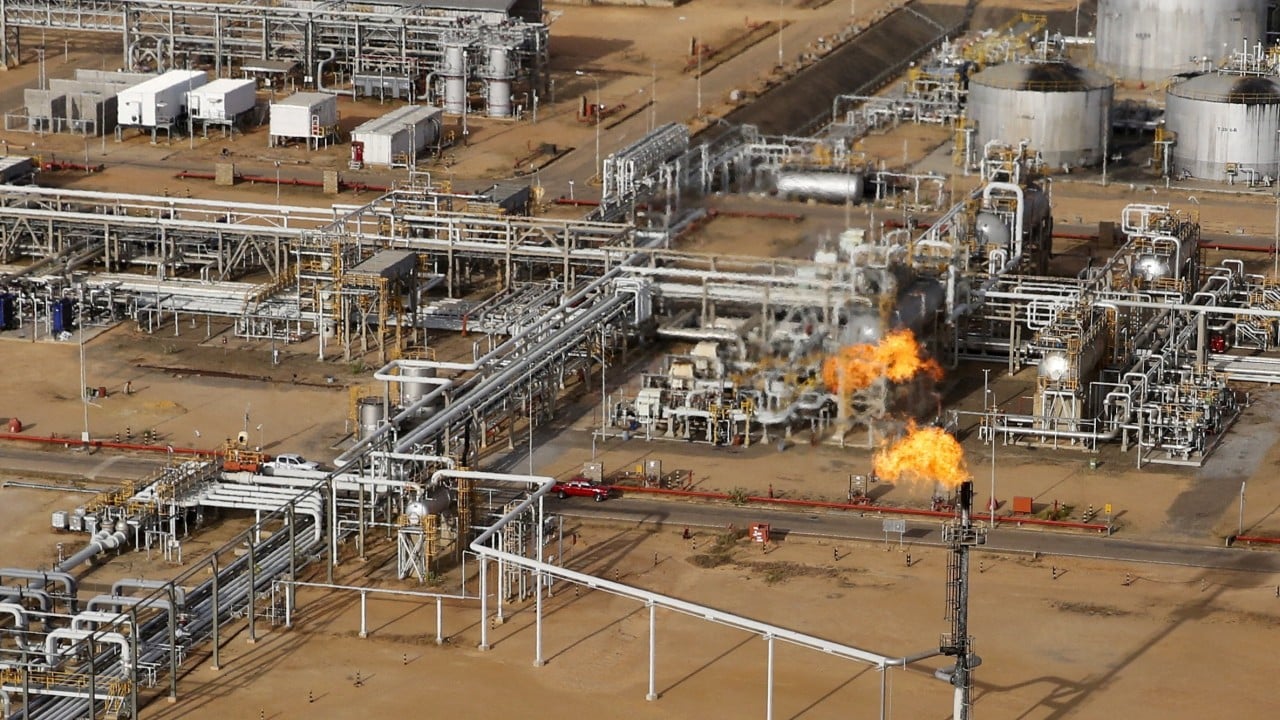
US Eases Sanctions, Permits Major Oil Firms to Resume Venezuela Operations
The US has relaxed sanctions on Venezuela, facilitating major oil companies' return to the OPEC nation. This development signals a shift in geopolitical dynamics concerning energy security and investment in Latin America.
On Friday, the United States Department of the Treasury announced the issuance of two general licenses that permit global energy firms, including Chevron, BP, Eni, Shell, and Repsol, to recommence operations in Venezuela's oil and gas sectors. These licenses enable these companies to not only resume existing projects but also to negotiate new contracts aimed at infusing fresh investments into the beleaguered Venezuelan economy, significantly affected by years of sanctions and mismanagement in the energy industry.
The relaxation of sanctions marks a pivotal moment in the geopolitical landscape, reflecting a potential thaw in relations between the US and Venezuela amidst the shift toward energy independence and security in the face of rising global energy demands. This change could influence the geopolitical balance in South America, particularly concerning the United States’ relationships with other regional players and its broader strategy toward energy policies in the Western Hemisphere.
Key players involved in this development include the US government, which seeks to stabilize international oil markets, and the Venezuelan government, which has been grappling with economic collapse fueled by declining oil revenues. The major oil companies involved have significant stakes in Venezuela and are motivated to reactivate operations to reclaim lost revenues while navigating the complexities of working within a politically charged environment fraught with sanctions.
The implications of this decision are manifold; it could reinvigorate Venezuela's declining oil production, which has fallen from over 3 million barrels per day in the late 1990s to approximately 600,000 barrels per day today. Such a resurgence might alter global oil supply dynamics, impacting prices and the economic viability of alternative energy sources. Additionally, this development could embolden other nations to reconsider their stance on sanctions related to resource-rich nations, affecting regional stability in Latin America and beyond.
Historically, US sanctions have had a profound impact on Venezuela's energy industry, contributing to its current state of disrepair. The recent easing mirrors past actions where geopolitical considerations shifted international engagement with countries facing similar circumstances, demonstrating that economic and political interests often overlap in shaping foreign policy.
Analyst assessment suggests that while this move may provide short-term relief for Venezuela’s economy, it also reinforces the complexities of US foreign policy and energy independence. Moving forward, the response from international energy markets and other global actors will be crucial to watch as the situation develops, especially in relation to Venezuela's domestic stability and its oil output potential in the coming years.