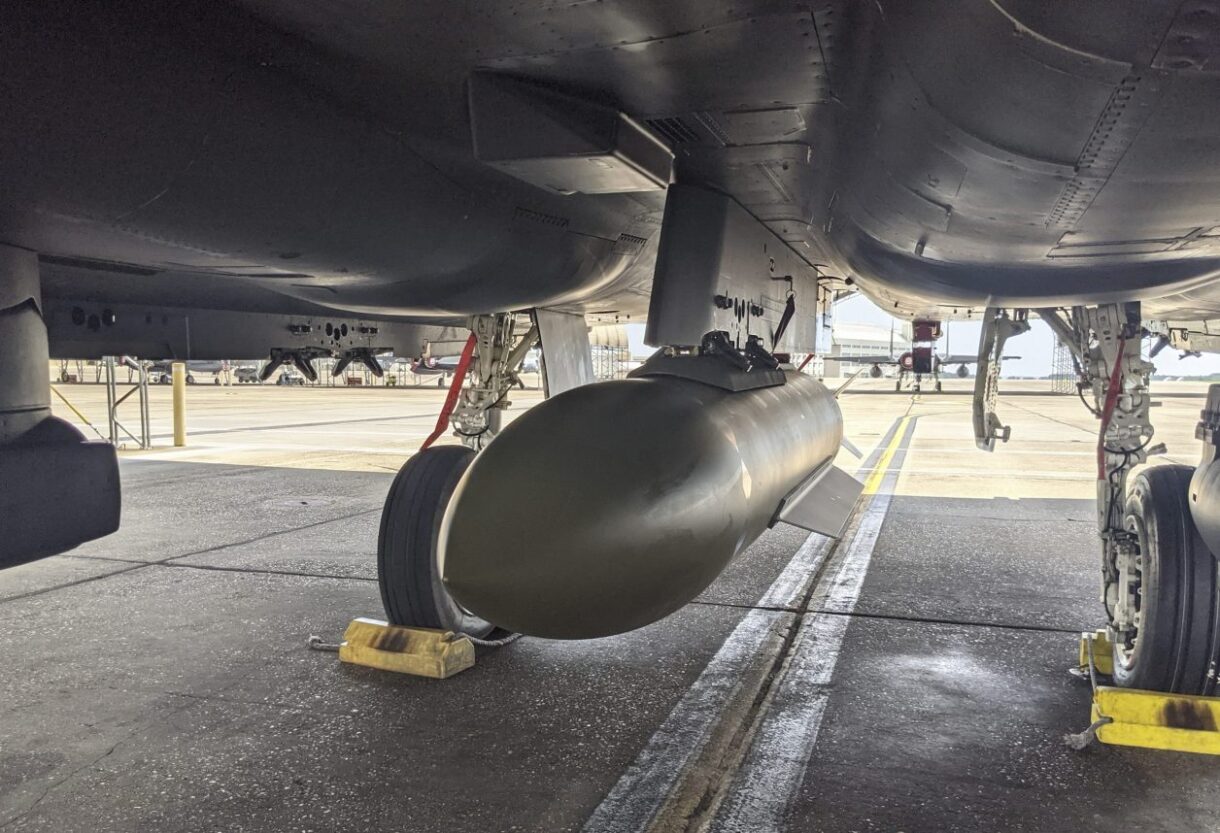
US Drops GBU-72 Bunker-Busters on Iranian Missile Sites
The US has carried out a direct strike on Iranian missile positions near the Strait of Hormuz using GBU-72 5,000-pound deep penetrator bombs. This marks a dramatic escalation in US-Iran tensions with severe implications for global oil transit and regional security.
In a dramatic escalation, US military forces carried out direct airstrikes on hardened Iranian missile sites near the Strait of Hormuz, deploying GBU-72 5,000-pound 'bunker-buster' bombs. Central Command confirmed the attack, targeting coastal Iranian positions suspected of hosting anti-ship cruise missiles capable of threatening international shipping through one of the world's most vital oil chokepoints.
Tensions between Washington and Tehran have reached new heights in recent months, with Iran expanding missile deployments along its southern coast and the US conducting intensified maritime security operations in the Gulf. Iranian forces have repeatedly harassed commercial vessels and threatened to close the waterway in response to Western sanctions and regional provocations.
The use of the advanced GBU-72 munitions signals a major shift from routine deterrence postures to active suppression of Iranian strike capabilities. Disrupting missile launchers near Hormuz exposes vulnerabilities in Iran's A2/AD (anti-access/area denial) shield and sends a stark warning to Tehran and its regional proxies. The risk of retaliatory action – either against Gulf states or international shipping – rises sharply.
The US aims to degrade Iran's ability to target commercial vessels and military assets transiting Hormuz, asserting its resolve in protecting freedom of navigation. Tehran, for its part, views such strikes as acts of war and potential justification for escalating attacks on US interests and allies across the Middle East. Both sides perceive the balance of credible threat as pivotal to regional dominance.
The GBU-72, introduced in 2021, is a next-generation 5,000-pound precision-guided bomb designed to penetrate reinforced underground facilities. Its deployment from platforms like the B-2 Spirit stealth bomber makes it capable of destroying deeply buried targets, including bunkers and missile silos. Pentagon sources indicate multiple munitions were used in this strike, showcasing both technological reach and willingness to risk open confrontation.
Immediate consequences include heightened military alert throughout the Gulf, urgent diplomatic engagements from regional states, and the real possibility of asymmetric Iranian counterstrikes. The escalation vector now includes cyberattacks, maritime sabotage, and ballistic missile retaliation, placing vital infrastructure and shipping routes in jeopardy.
Historically, direct US strikes on Iranian mainland targets are rare and signal crisis thresholds being crossed. Previous confrontations – from the 1988 Operation Praying Mantis to the 2020 killing of IRGC General Qassim Soleimani – have triggered Iranian reprisals and instability across multiple theaters. The Hormuz action brings these dangers to the forefront once more.
Intelligence monitoring should now focus on Iranian force movements along the Gulf, missile activity upticks, maritime attacks, and proxy operations in Iraq, Syria, and Yemen. Watch for rapid deployments of naval and air assets by both Iran and US-coalition forces, and unusual shipping pattern changes signaling further military or economic disruption.