U.S. Deploys More Troops to Middle East Amid Anticipated Casualties
The U.S. military escalation in the Middle East presents heightened risks as leadership warns of potential increased losses. This move signals a worrying commitment to sustain operations amidst deteriorating security conditions.
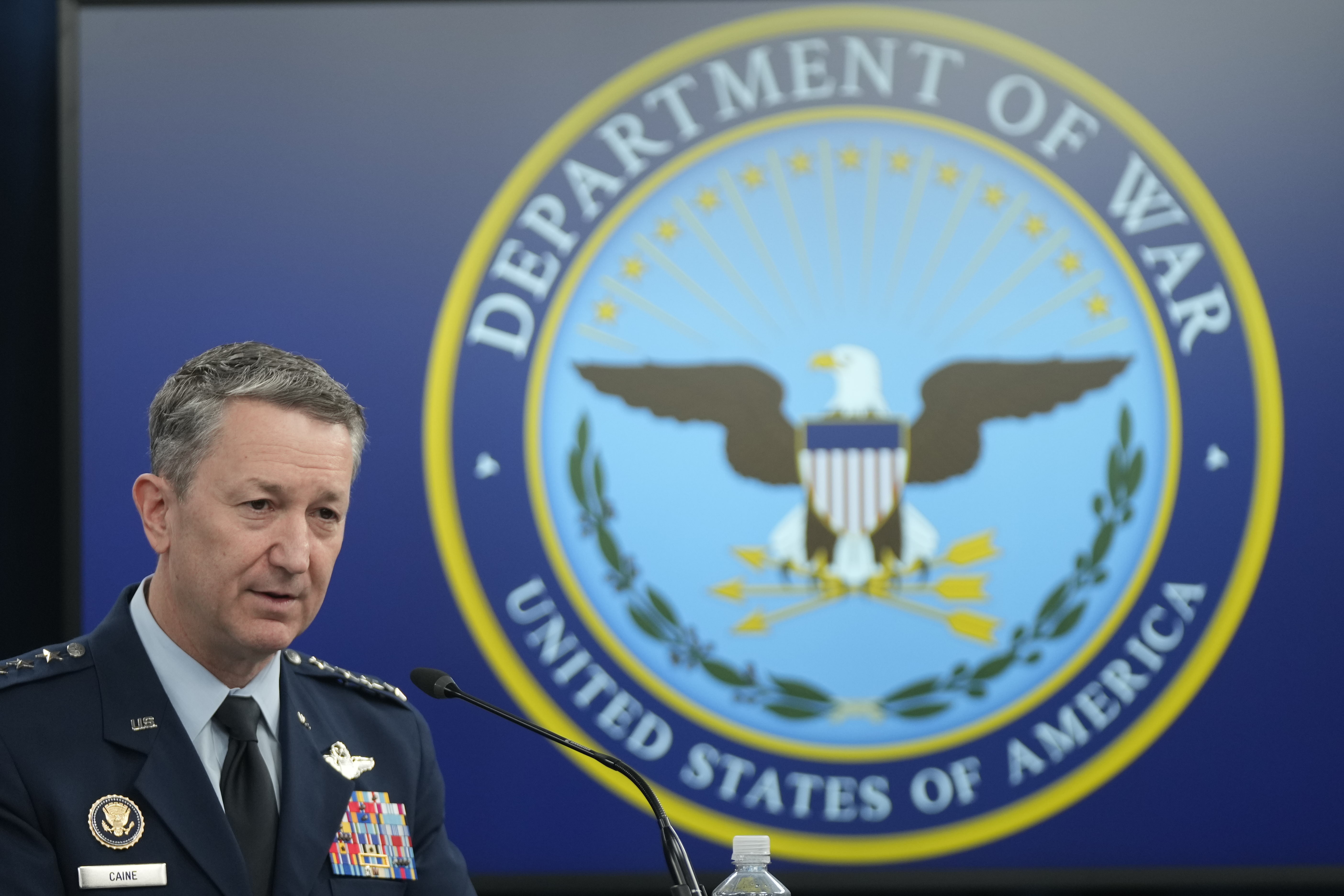
The United States is deploying additional troops to the Middle East, as Chairman of the Joint Chiefs of Staff, General Dan Caine, warned reporters to brace for 'additional losses.' The announcement raises alarms regarding the escalating conflict and suggests a prolonged military engagement in a highly volatile region. This deployment signals a concerning shift in U.S. military posture, responding to threats that have been progressively intensifying.
Contextually, U.S. forces have faced increasing challenges in the Middle East due to rising tensions with rival powers and non-state actors. The U.S. engagement has been influenced by events such as recent drone attacks on U.S. military installations, which are attributed to Iranian-aligned militias operating in Iraq and Syria. Over the past years, U.S. troop presence and operations have been under scrutiny, as casualties among service members have intermittently surged, indicating a precarious security environment that has not been effectively contained.
The significance of this troop deployment cannot be overstated. It exposes vulnerabilities in U.S. strategy within the region, where both Iranian influence and the capabilities of insurgent groups have recently expanded. The move acts as a clear indication of U.S. intent to project power and deter adversaries but simultaneously risks further entangling the military in ongoing conflicts without a defined exit strategy.
Key figures such as General Caine and Defense Secretary Pete Hegseth emphasize the necessity of this troop increase to safeguard U.S. interests, but their rhetoric reveals deeper concerns about an escalating conflict. Their motivations appear rooted not just in deterrence but also in the need to reassure allies in the region who feel increasingly vulnerable to Iranian aggression. This reflects a transition from reactive measures to proactive military engagement.
Operationally, the additional troops are expected to bolster U.S. forces already stationed in the Middle East, which number approximately 60,000. This includes units equipped with advanced weaponry such as the F-35 fighter jets and Patriot missile systems, critical for countering drone threats. The anticipated time frame for deployment appears to be immediate, with logistical preparations gearing up to support increased military readiness, potentially increasing the U.S. defense budget allocations further.
The consequences of this deployment could resonate well beyond the immediate region. Escalation vectors include retaliatory strikes by Iranian forces or their proxies, which could lead to higher casualty figures among U.S. troops. Furthermore, alliances may shift as regional powers reassess their positions in light of U.S. military actions, potentially fostering further instability and conflict dynamics.
Historically, this move draws parallels to previous U.S. escalations in Iraq and Afghanistan, where increased troop numbers often led to higher casualties and prolonged engagements with no clear resolution. In both these instances, initial troop surges were met with violent resistance and increased anti-American sentiment, complicating the mission objectives and leading to tactical and strategic failures.
In the coming weeks, key indicators to observe will be the nature of adversarial responses, including any uptick in attacks on U.S. forces. Analysts will also be watching the response from regional partners and adversaries alike, as well as the adjustments U.S. military command makes in its engagement rules. This situation remains fluid and will require close monitoring to assess the evolving landscape of military risk in the Middle East.