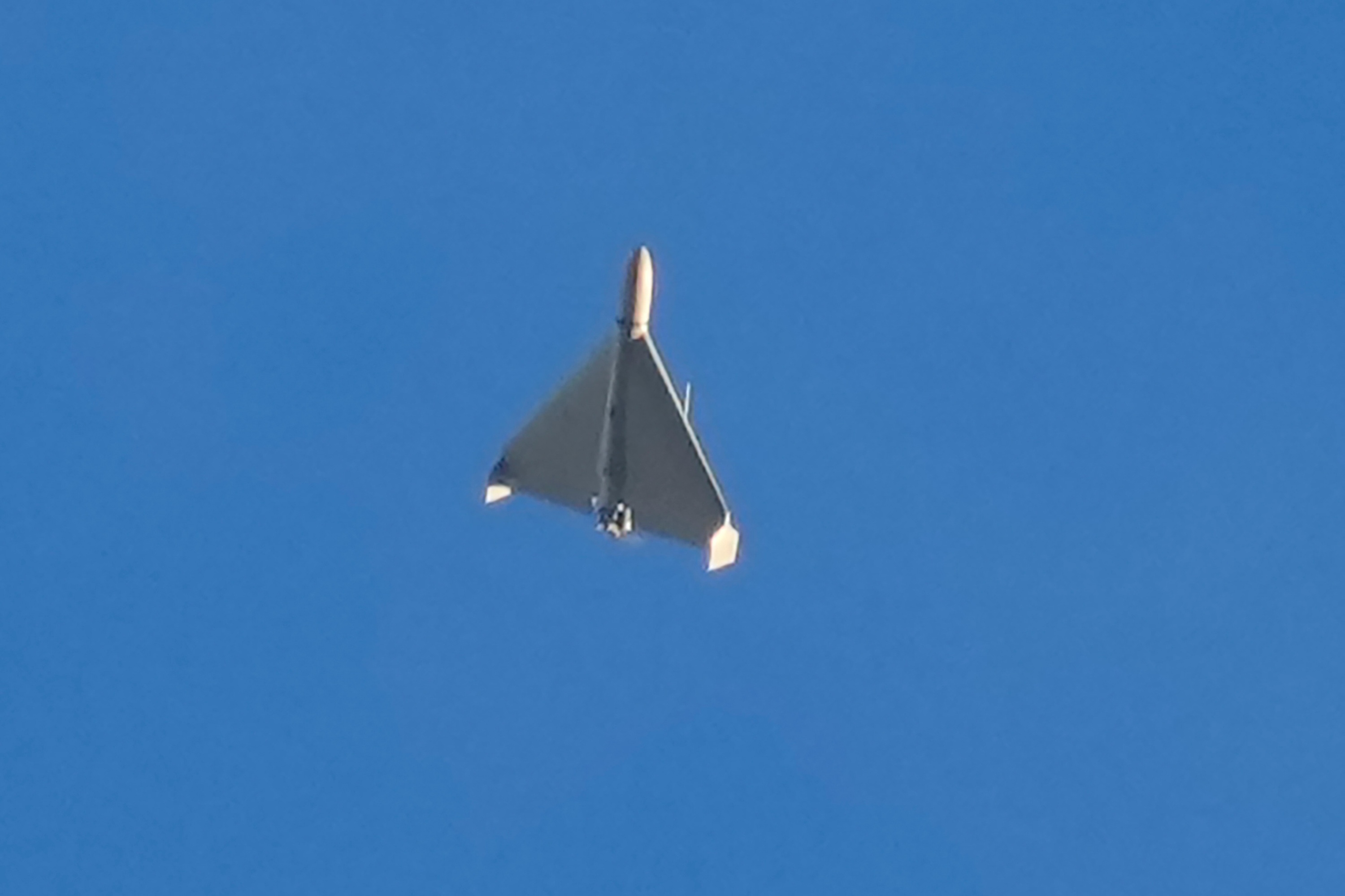
US Deploys Merops Anti-Drone System to Mideast Amid Heightened Threats
The transfer of the Merops anti-drone system underscores escalating aerial threats in the Middle East. This development signals a ramping up of defenses against adversaries increasingly utilizing drone technology.
The United States has confirmed the deployment of the Merops anti-drone system to the Middle East, as officials cite growing drone threats from hostile actors in the region. This drone-on-drone warfare system is designed to combat the rising prevalence of unmanned aerial vehicles (UAVs) being used in various conflicts, particularly by non-state actors and adversarial states.
A history of escalating drone usage in the region has set the stage for this deployment. Factions such as Hezbollah and Houthis have increasingly employed drones for surveillance and offensive operations, raising concerns among US allies. The successful integration of Merops in Ukraine against Russian forces has validated its effectiveness, prompting its transfer to counter the similar tactics observed in the Middle East.
The significance of this move is profound, highlighting a shift in how air defense is being prioritized globally. The introduction of Merops signifies a recognition of drone warfare as a formidable threat that necessitates an immediate and robust response. This also points to a larger arms race in aerial warfare technology, with regional players likely to respond by enhancing their own capabilities.
Key players in this scenario include the United States, aiming to bolster allied defenses, and adversarial groups that are increasingly reliant on drone warfare to exert influence and disrupt stability. The motivations driving the US decision include the need to protect strategic interests, safeguard allies, and assert dominance in a region where drone capabilities are becoming a game changer.
Technical details about the Merops system reveal it is compact, capable of being transported in the bed of a midsize pickup truck, and designed for quick deployment. The system leverages advanced technology to detect, intercept, and neutralize enemy drones with precision, enhancing the defensive posture of US partners in the region. This mobility offers flexibility and rapid response capabilities that are critical in fast-evolving conflict scenarios.
Consequences of this deployment may include an escalation of skirmishes in which drone technology is increasingly utilized, leading to a potential arms race in advanced systems across the region. It could also provoke retaliatory acts from factions that perceive this as a direct threat, particularly if they feel their operational capabilities are being undermined by US-supplied technologies.
Historically, similar interventions have triggered broader escalations. The introduction of advanced military technology has often led to increased confrontation, particularly when adversary nations feel cornered or faced with enhanced defenses. This echoes the past dynamics seen during the Cold War, where each technological advancement prompted countermeasures and heightened tensions.
Looking ahead, analysts should monitor the reactions of Iran and other regional powers as they adjust their operational strategies in response to the Merops deployment. Intelligence indicators to watch include increased drone activities from non-state actors, changes in procurement patterns of aerial systems by adversaries, and shifts in regional military alliances as nations adjust to enhanced aerial capabilities in their operational environments.