US Deploys Exotic Weapons in 3-Hour Venezuela Raid, Risks Arms Race and New Warfare Tactics
The US military operation in Venezuela demonstrated the use of advanced weaponry, including emerging technologies. This deployment signals a potential shift in global military strategies and raises concerns about an arms race, particularly regarding nations like Iran.
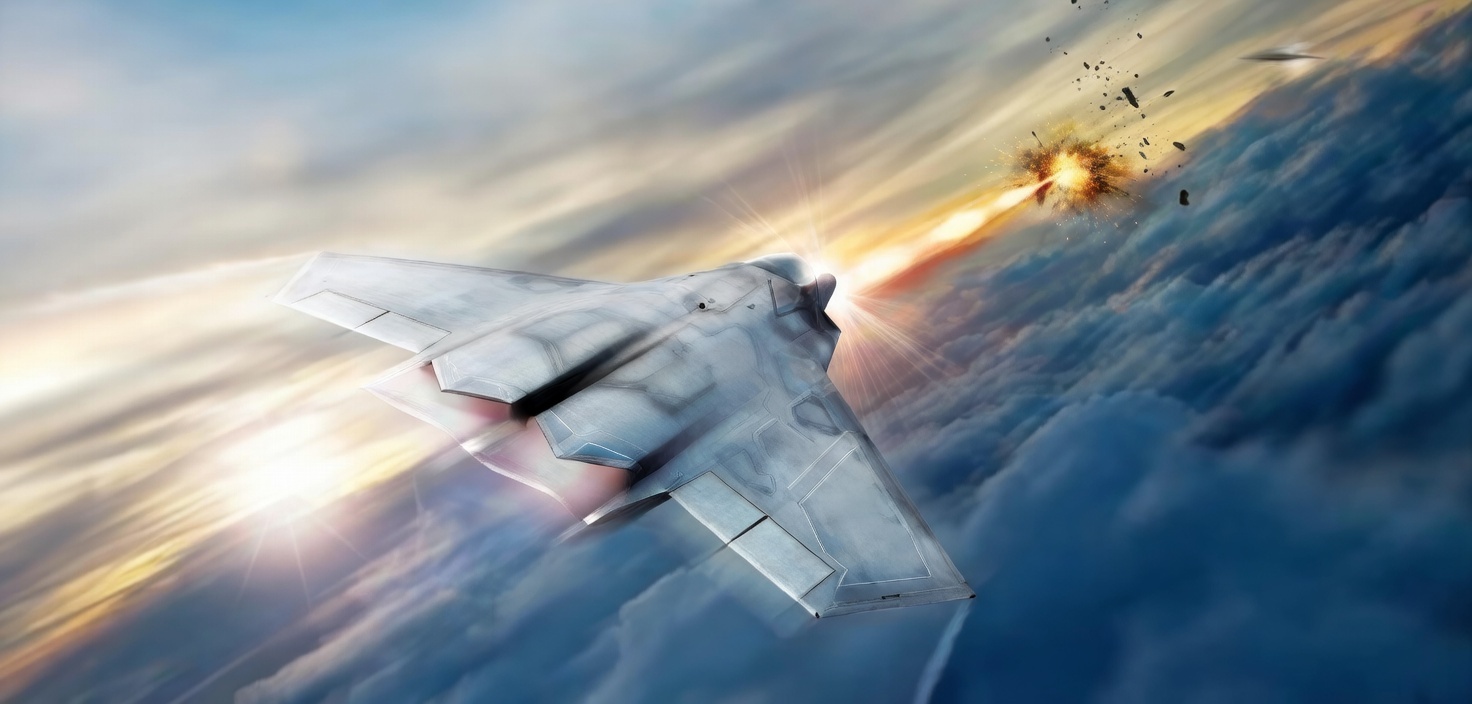
On a recent military operation conducted in Venezuela, US forces engaged in a rapid raid that lasted less than three hours. Reports indicate the use of exotic weapons, including artificial intelligence systems, directed energy weapons (DEWs), and sonic weapons to achieve their objectives. While specific details remain classified, the implications of employing these advanced technologies in real-world scenarios are profound and warrant close examination by the international defense community.
This development bears strategic significance as it underscores a potential shift in warfare paradigms. The introduction of AI, DEWs, and sonic weapons into combat scenarios signifies an evolutionary leap in military capability that could redefine standard tactics and strategies globally. Nations observing this evolution may feel pressured to enhance their own military arsenals in response, potentially spurring an arms race focused on the development and proliferation of similar advanced weaponry.
Key players in this situation include the United States, which aims to project power and influence through cutting-edge technology, and nations such as Iran, which may now perceive an increased threat to their national security. Iran has historically been resistant to US military actions and may seek to bolster its own military capabilities or pursue asymmetric warfare strategies in response to the perceived US threat enhanced by the deployment of novel technologies.
The regional implications of this operation could extend beyond Venezuela. If other countries view the successful implementation of exotic weapons as a precedent, it may lead to further escalations in military posturing throughout Latin America and potentially in other hotspots globally. Furthermore, the manner in which the US engages with adversaries may shift toward a reliance on technology that minimizes personnel risk, fundamentally changing geopolitical dynamics.
In historical context, this situation recalls past military interventions that prompted advancements in countermeasures and new defense strategies by adversaries facing technological superiority. The potential for emerging technologies to dictate future engagements amplifies concerns about the increasing complexity and unpredictability of modern warfare.
Analyst assessments indicate that should the US continue down this path of technological warfare without robust international dialogue and agreements, it may sow discord worldwide, escalating tensions and increasing the likelihood of conflict. The coming months will be critical in observing how both allies and adversaries react to this bold show of force and technological capability by the US.