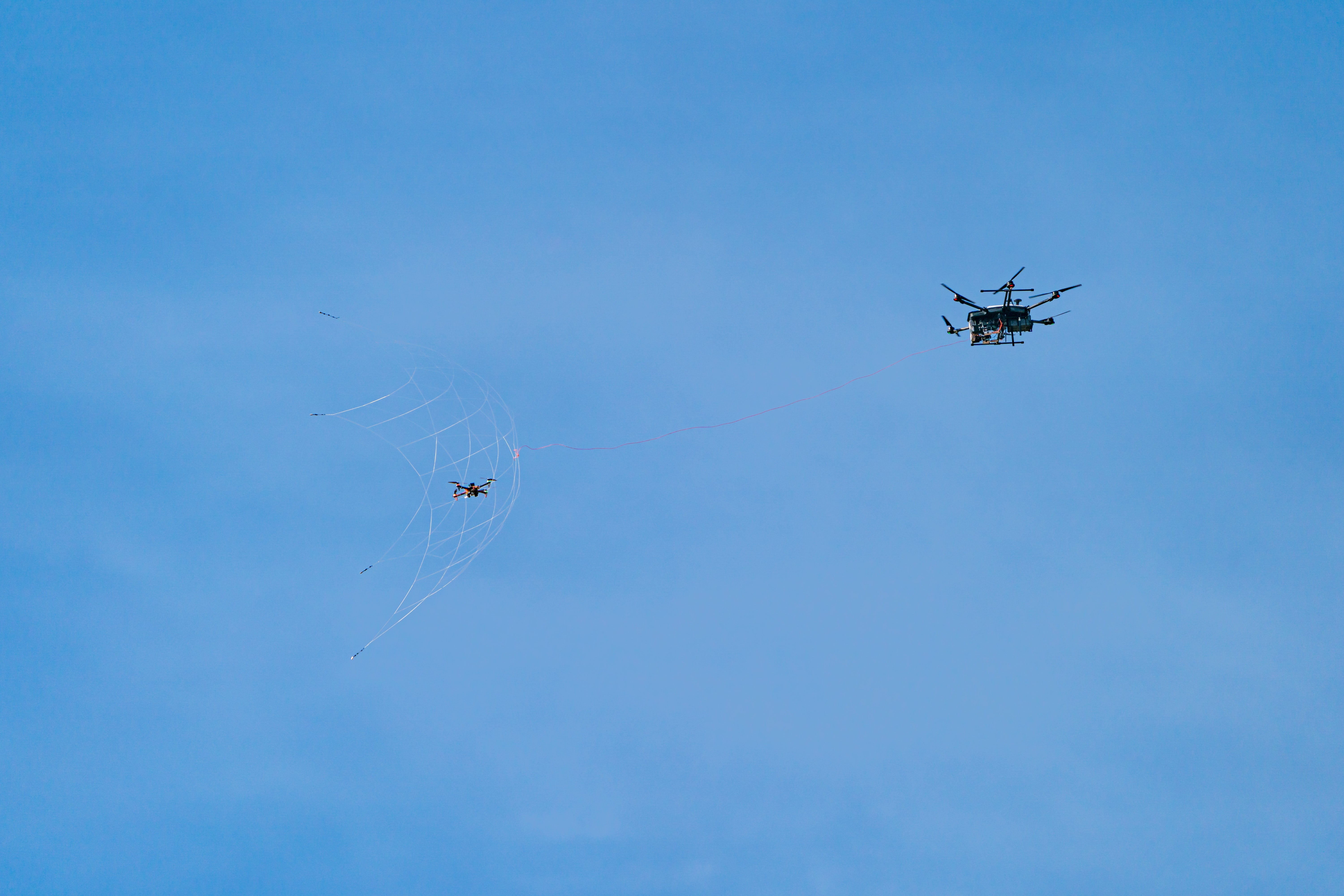
US Deploys Drone Interceptors Against Threats at 2026 World Cup
The U.S. government is escalating aerial defense measures in preparation for the 2026 FIFA World Cup, highlighting vulnerabilities and potential security threats. The multimillion-dollar contract for DroneHunter interceptors reflects heightened concerns over drone-related attacks during high-profile international events.
The U.S. Department of Homeland Security (DHS) has awarded Fortem Technologies a multimillion-dollar contract to deploy its DroneHunter interceptors at venues for the 2026 FIFA World Cup. This move underscores the increasing urgency to secure major international sporting events against evolving aerial threats, particularly as drone technology becomes more accessible and dangerous. The announcement signals a proactive escalation in security measures as the world anticipates a large influx of fans and dignitaries for the tournament.
In recent years, the proliferation of commercial drones has prompted military and security organizations globally to reassess their counter-drone capabilities. Incidents involving unauthorized drones disrupting major events have already heightened awareness among security agencies and prompted significant operational changes. Past events, such as the 2020 French Grand Prix and the 2019 drone disruption at London Gatwick Airport, have illustrated just how swiftly drone incursions can turn into security crises, making proactive measures imperative.
The strategic significance of this contract centers on the U.S.'s commitment to preemptively address potential aerial threats during one of the world’s largest sporting tournaments. The World Cup is not just a sporting event but a high-profile international showcase, making it a prime target for various malign actors. The deployment of DroneHunter systems reflects a broader trend where nations are increasingly prioritizing the development of advanced air defense systems to counteract non-state threats posed by cheap and readily available drone technology.
Key actors in this situation include the DHS and Fortem Technologies, each with vested interests that extend beyond mere operational security. The DHS aims to project a message of readiness and vigilance that is vital for maintaining public confidence, especially in light of rising perceptions of vulnerability around large gatherings. Meanwhile, Fortem stands to benefit financially from the contract, positioning itself at the forefront of the burgeoning drone defense market as threats from aerial systems escalate.
The DroneHunter interceptor is equipped with unique net-capture technology designed to neutralize rogue drones without collateral damage — a key factor in densely populated event scenarios. Fortem's systems can engage multiple threats and are touted for their effectiveness in urban environments, where traditional kinetic takedowns could lead to civilian casualties. As part of the $3 million contract, these systems will be stationed strategically throughout the tournament venues to ensure broad coverage against potential incursions.
This decision to deploy DroneHunter interceptors could have far-reaching implications, not just for the World Cup but also for the future of aerial security measures in public events worldwide. Increased incidents of adverse drone use may become a norm, forcing nations to embrace counter-drone frameworks similar to those employed in military theaters. This could lead to a surge in demand for technology and training in aerial surveillance and interception.
Historically, prominent events like the Olympic Games and the Super Bowl have seen escalated security measures as they approached, often including anti-drone technology. The deployment of specialized interceptors during such events suggests a paradigm shift toward integrating advanced aerial protection strategies in public event planning. The implementation of DroneHunter units could set a new precedent for future global security measures at large gatherings.
Going forward, observers should monitor how well these systems perform during the World Cup as real-world tests of their capabilities. Intelligence indicators to watch include any potential drone threats identified before and during the event and the effectiveness of countermeasures deployed by the U.S. teams. Additionally, if incidents occur, the response and flexibility of these systems will be critical to understand their real-world effectiveness and possible adaptations in global security frameworks thereafter.