U.S. Deploys Anti-Tank Mines To Halt Iranian Missile Launchers
The U.S. has reportedly positioned anti-tank mines near Iranian missile sites to cripple Tehran’s missile operations. This move marks a significant escalation in countering Iran's regional missile threat and complicates Tehran's strategic deployments.
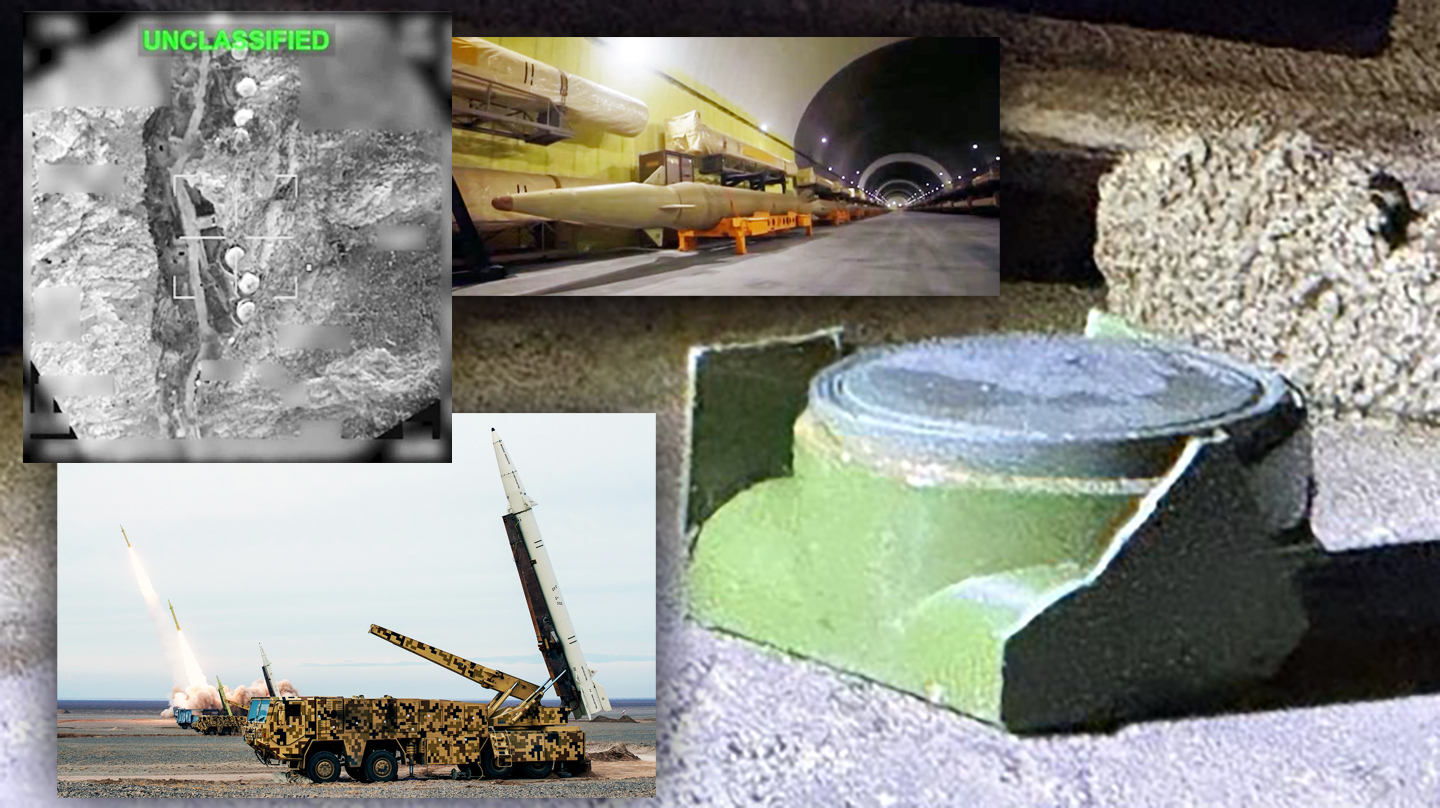
The United States has initiated the deployment of anti-tank mines around key Iranian missile launch facilities, aiming to block or delay missile launches targeting regional adversaries. This mining operation is reported near remote, hardened missile bases in Iran’s western and southwestern provinces, strategic zones heavily utilized by the Islamic Revolutionary Guard Corps (IRGC).
Iran has ramped up its missile activity in recent years, accelerating test launches and deploying multiple launchers across various regions close to rival states and U.S. allied forces. Washington’s decision to scatter mines is a clear escalation from intelligence operations to direct physical interference in Iran’s missile firing capability.
Strategically, mining Iranian missile launch areas serves to increase operational risks and costs for Tehran’s missile forces. Anti-tank mines could immobilize launcher vehicles or force delays, hindering rapid missile launches and limiting the IRGC’s ability to conduct surprise or massed strikes. This measure reflects an effort to blunt Iran’s growing missile threat to U.S. interests and regional allies in the Gulf and Levant.
Technically, anti-tank mines deployed are likely sophisticated, designed to disable heavy vehicles with shaped charge warheads. Their placement at access roads and launch pads restricts the mobility of Iran’s missile transporter-erector-launchers (TELs), which are critical for the mobility and survivability of Iran’s ballistic missile arsenal, including Fateh-110 and Zolfaghar families.
If confirmed, this tactic deepens the shadow conflict between the U.S. and Iran, raising risks of direct confrontation. It may provoke Tehran to tighten security, escalate missile tests, or retaliate covertly. The deployment hints at expanding U.S. efforts to contain Iran’s missile project beyond sanctions and aerial surveillance, moving into low-intensity kinetic disruption.