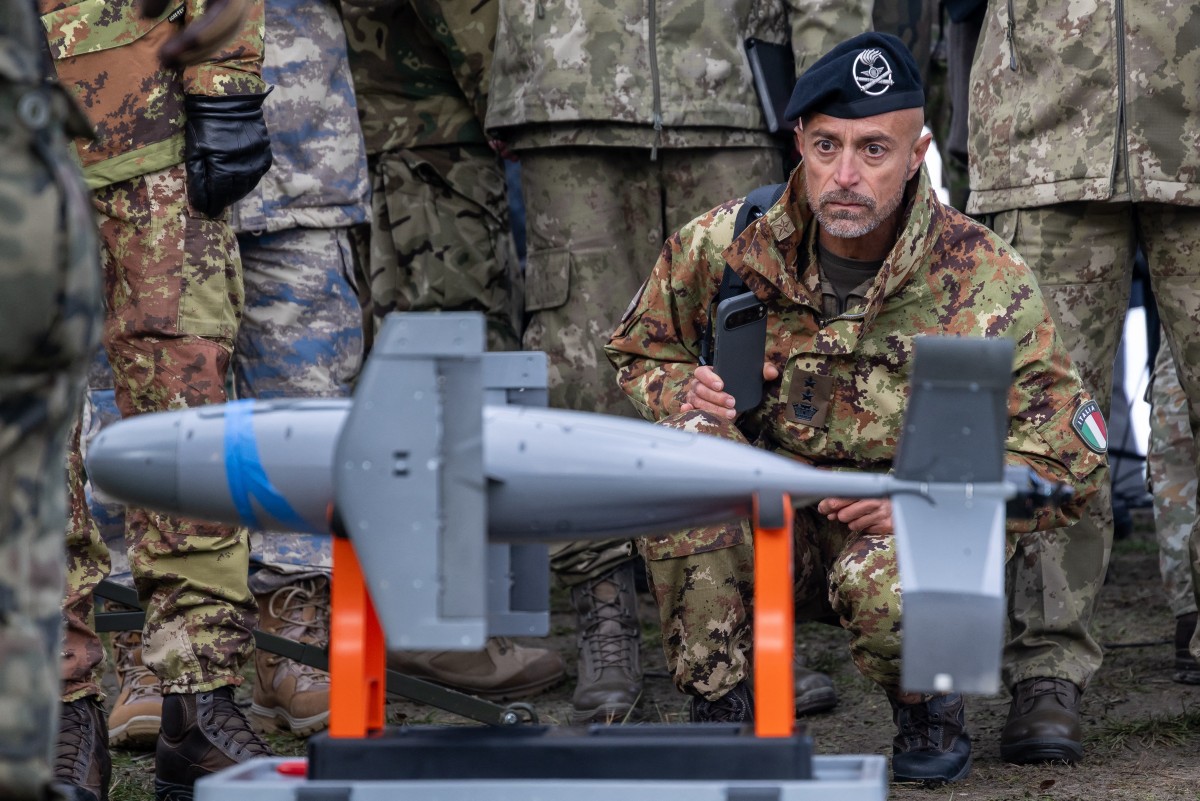
U.S. Deploys 10,000 Merops AI Drones to Counter Iran's Shahed Threat
The U.S. military is escalating its presence in the Middle East with a significant deployment of 10,000 combat-tested Merops drones to confront an increasing threat from Iran's Shahed drone swarms. This move reflects a strategic shift to undermine Iranian capabilities in the region amidst rising tensions.
The United States has undertaken the urgent deployment of 10,000 Merops AI drones to the Middle East, officially initiated as part of 'Operation Epic Fury' on February 28. This aggressive military maneuver targets Iranian drone and ballistic missile systems, marking a significant escalation in U.S. military operations against Iran, particularly in response to the increasing deployment of Shahed drones utilized by Iranian forces in conflicts across the region.
The historical context reveals a pattern of escalating hostilities between the U.S. and Iran, particularly following the U.S. withdrawal from the Joint Comprehensive Plan of Action (JCPOA) in 2018. Since then, Iran has ramped up its proxy warfare strategies and drone development, posing a strategic threat to U.S. allies in the Middle East, notably Israel and Saudi Arabia. The deployment of Shahed drones has been reported to heighten the risk of conflict, pushing U.S. military leadership to act decisively.
This deployment is significant as it represents a clear shift in U.S. military strategy, pivoting toward a proactive defense stance against emerging drone warfare threats. The Merops drones, which have been successfully utilized in Ukraine, introduce advanced AI capabilities to identify and neutralize drone threats quickly. This operational change underscores both the U.S. commitment to its allies and the acknowledgment of the increased drone warfare risk posed by Iran to the regional balance of power.
Key actors in this development include the U.S. military, Israel, and Iranian state-sponsored forces. The U.S. aims primarily to maintain regional stability and protect its allies from Iranian aggression. Iran is likely motivated to test U.S. resolve in the region while advancing its strategic objectives of asymmetrical warfare through drone capabilities.
From a technical perspective, the Merops drones are designed to engage and incapacitate enemy drones with precision, utilizing advanced AI systems for target recognition and engagement. These drones have a combat radius that allows for extensive surveillance and rapid response, designed to operate in coordination with existing air defense systems. The projected cost of this operation reflects a significant financial commitment to countering drone threats — a clear indicator of U.S. seriousness in mitigating Iranian capabilities.
The likely consequences of this escalation may lead to further retaliatory actions from Iran, potentially accelerating the cycle of conflict in the Middle East. Enhanced presence of U.S. drones could provoke Iranian attacks on U.S. installations, higher risk for allied forces, and an increased likelihood of direct military confrontation. The deployment creates a new flashpoint for conflict, particularly in contested areas such as the Strait of Hormuz.
Historical parallels can be drawn to past U.S. military deployments in the region, notably during the Gulf War when similar escalations occurred in response to perceived threats from regional powers. The initial deployment of the Merops drones may herald a prolonged U.S. military engagement in the Middle East, mirroring previous operations designed to contain or respond to threats from Iran or its proxy forces.
Looking ahead, intelligence monitoring will be crucial as indicators of Iranian countermeasures or escalatory responses could emerge. Key developments to watch for include Iranian drone attacks against U.S. positions, potential Iranian military exercises in the region, and responses from Iraqi militia groups that operate under Iranian influence. The strategic landscape in the Middle East is poised for volatility as both sides recalibrate their military postures.