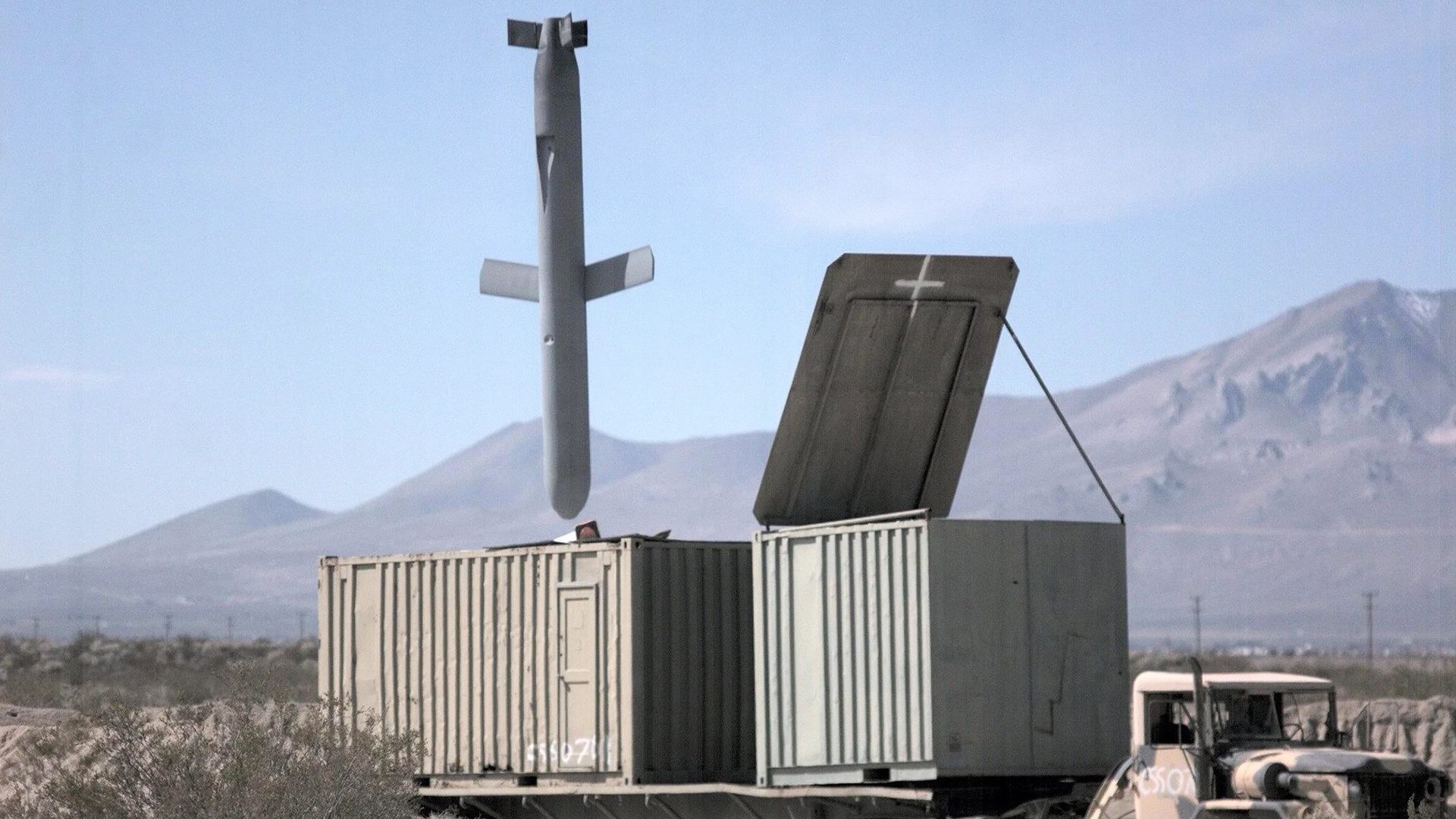
US Depletes 850+ Tomahawk Missiles In 4-Week Iran Clash
The US has expended over 850 Tomahawk cruise missiles in a rapid four-week confrontation with Iran, straining critical strike capabilities. This high consumption disrupts strategic deterrence and signals an escalation in regional military operations involving precision long-range munitions.
The United States has reportedly launched more than 850 Tomahawk cruise missiles in just four weeks during an escalating conflict with Iran, intensifying military tensions across the Middle East. Officials emphasize this unprecedented expenditure exhausts a large portion of the US Tomahawk stockpile, raising concerns over supply sustainability.
Historically, the Tomahawk missile has been a cornerstone of US naval precision strike capability, deployed to deliver strategic blows with long-range accuracy. Its extensive use suggests a significant escalation in operational tempo and reliance on advanced missile technology in regional conflicts.
The strategic impact of this accelerated missile consumption undermines US deterrence posture by potentially limiting available strike options in future conflicts. Iran's resiliency and counterattacks compel the US to employ large-scale cruise missile barrages, demonstrating that the conflict dynamics have intensified beyond initial assessments.
Technically, the Tomahawk Land Attack Missile (TLAM) boasts a range exceeding 1,600 kilometers, guided by sophisticated terrain contour matching and GPS systems. Each missile costs roughly $1.5 million, making the expenditure of over 850 missiles a staggering $1.275 billion outlay. This rapid rate depletes naval arsenals and challenges production capacities amid ongoing conflict.
Looking ahead, the US may face critical shortages, pressuring defense industry supply chains and compelling accelerated production or alternative strike methods. These developments raise the specter of prolonged regional hostilities with increased missile reliance and underline vulnerabilities in sustaining high-volume precision strike campaigns.