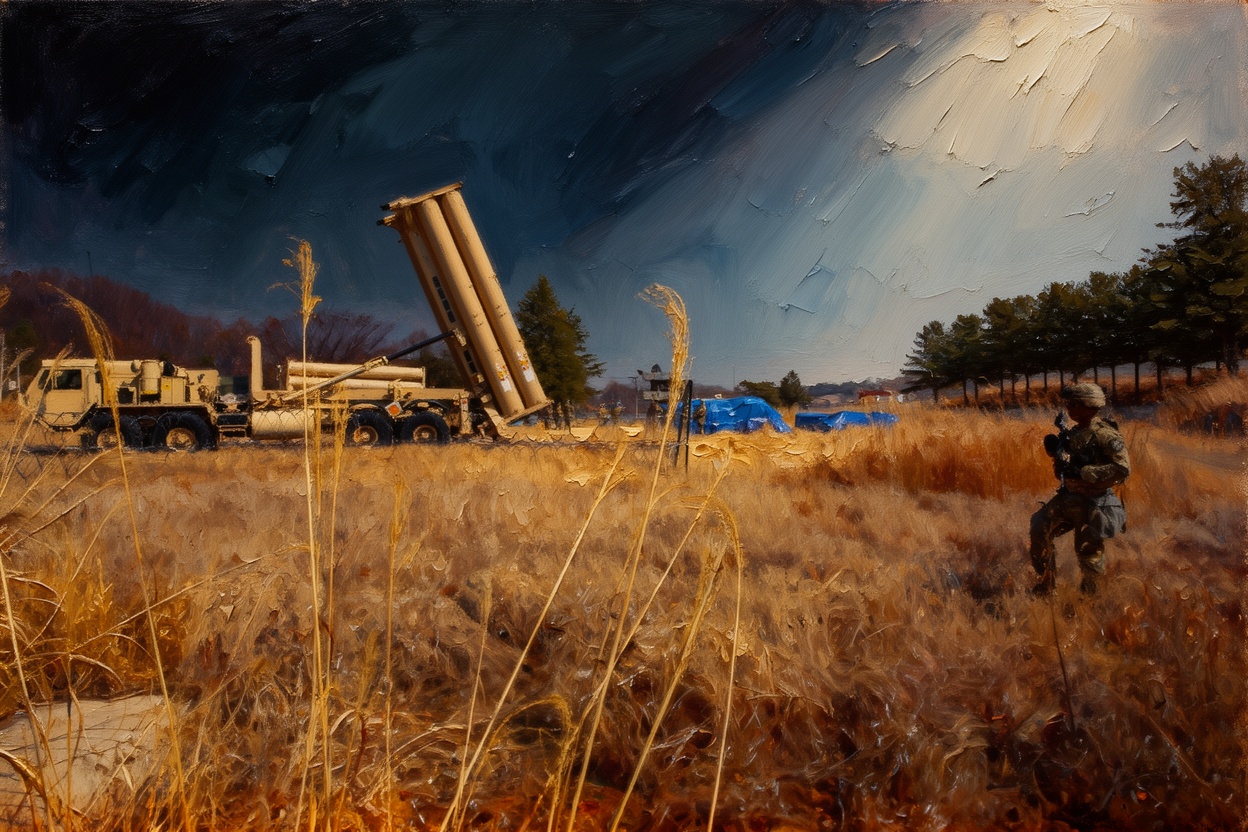
US Denies Moving THAAD Elements from Korea to Middle East
US officials deny claims that THAAD components were reassigned from South Korea to the Middle East. The denial narrows questions about American force posture and regional deterrence. The episode highlights delicate balance in Asia and the Middle East amid rising tensions.
A senior US official explicitly denies reports that THAAD components have been relocated from the Korean peninsula to the Middle East. The denial comes after a March report in a major newspaper suggested realignment of strategic interceptors. The official confirms no operational redeployment has occurred, preserving existing deterrence posture near the Korean Peninsula. The denial does not address broader questions about future basing options or long-term modernization timelines for THAAD.
The background here involves ongoing US efforts to manage regional threats while maintaining alliance commitments. THAAD has long served as a symbol of extended deterrence in Northeast Asia and parts of the Middle East. Analysts have tied any potential redeployment to shifting threat assessments or force sustainability concerns. Washington remains cautious about signaling changes to adversaries and allies alike.
Strategically, the decision to keep THAAD components in place signals a continued commitment to both Korea and allied states in the region. It also implies a desire to avoid duty-cycle disruptions that could embolden adversaries in volatile flashpoints. The balance of power in the Indo-Pacific and Middle East depends on credible missile defense, even as budgets and modernization compete for scarce resources.
Technically, THAAD involves high-altitude interceptors and command-and-control networks connected to radar empreintes and batteries. The system’s basing is sensitive to logistics, maintenance cycles, and interoperability with allied air defense networks. Budgetary signals and industrial baseline investments influence long-term readiness, including supplier chains for interceptors and upgrade programs.
Looking forward, analysts expect ongoing scrutiny of US force posture in both Korea and the Middle East. Any future redeployment would likely hinge on acute regional provocations or alliance reassessments. For now, the official stance keeps THAAD assets where they are, preserving deterrence stability in two critical theaters.