US Cyber Operations Strategy Against Iran: Continuous Engagement Strategy
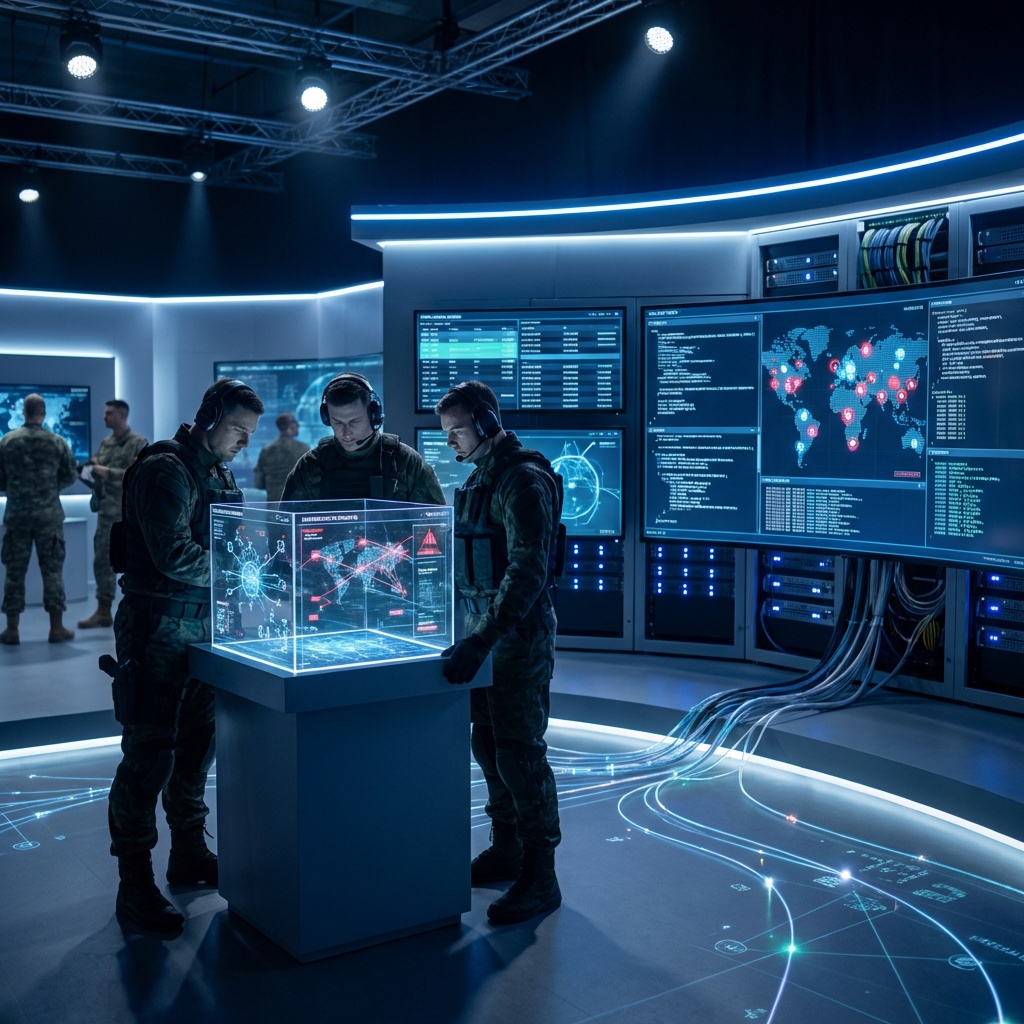
Recent commentary from a former senior cyber commander highlights a shift in US cyber strategies toward Iran. Unlike previous operations, the current approach emphasizes around-the-clock support across multiple domains, including offensive cyber operations and intelligence gathering.
In a recent analysis, a former senior cyber commander outlined the evolving strategies of US cyber operations against Iran, focusing specifically on a new initiative dubbed 'Epic Fury.' This operation marks a significant departure from prior, more isolated strikes, such as Operation Midnight Hammer, by instituting a continuous operational framework. This new structure leverages constant surveillance and target engagement in both offensive and defensive capacities, thus allowing for a more robust, cohesive cyber defense and attack strategy.
The essence of the Epic Fury operations is the integration of 24/7 operational support, which incorporates not only offensive cyber measures but also emphasizes defensive posturing, information operations, and real-time intelligence capabilities. This shift towards continuous engagement implies an investment in advanced technology and personnel trained to conduct sophisticated cyber operations that can adapt dynamically to evolving threats. Various tools and techniques are expected to be employed, including malware deployment, denial-of-service attacks, and attempts to exploit vulnerabilities in Iranian networks.
Strategically, this approach positions the United States to potentially deter Iranian cyber aggression by presenting a formidable and persistent threat in cyberspace. By maintaining a constant operational presence, the US aims to not only mitigate risks to its own infrastructure but to complicate and disrupt Iranian cyber activities. This includes not only protecting critical national infrastructure but also undermining the capabilities and confidence of Iranian cyber operators.
The manufacturer and developer landscape underpinning this operation involves a multi-faceted coalition of military personnel, national security agencies, and private defense contractors specializing in cybersecurity solutions. The operational success hinges on collaboration between entities responsible for cyber threat intelligence, network defense, and offensive cyber capabilities, all contributing to an overarching strategy that prioritizes resilience and readiness against cyber threats.
Potential applications of this strategy extend beyond direct engagements with Iran. The methodologies and technologies developed through Epic Fury could serve as prototypes for future cyber operations against other adversaries or in different theaters. Moreover, the emphasis on continual readiness may establish a new paradigm in military cyber doctrine that could reshape how sovereign states prepare for and engage in cyber conflicts across the globe.