US-China Trade Negotiators Meet During Rising Tensions Over Iran
Trade discussions proceed even as US-Iran hostilities escalate, raising geopolitical stakes. A forthcoming summit between Trump and Xi indicates intensified rivalry and strategic maneuvering.
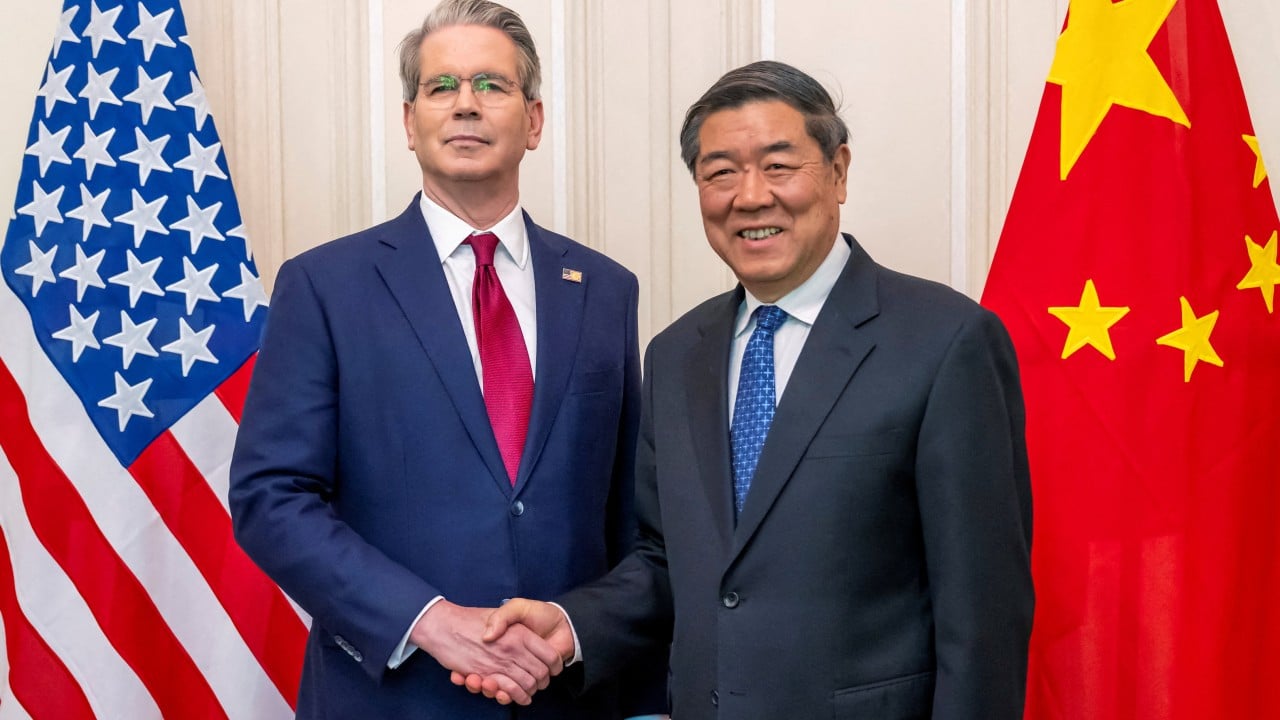
US Treasury Secretary Scott Bessent, US Trade Representative Jamieson Greer, and China's Vice-Premier He Lifeng are scheduled to meet in Paris next week, signaling a continuation of high-stakes negotiations between the two largest economies amid deteriorating relations. This meeting comes just days before a planned summit between President Donald Trump and President Xi Jinping, aimed at addressing pressing trade issues despite recent American military strikes against Iran, which heighten the geopolitical landscape.
The backdrop for this encounter is fraught with complications. US-China trade tensions have been escalating for years, marked by tariffs, sanctions, and mutual accusations of unfair trade practices. Recent events, including the tightening of US semiconductor export controls to China and sanctions against Chinese firms linked to human rights abuses, have intensified these hostilities. Now, with US-Iran confrontations potentially reshaping global economic dynamics, trade discussions between America and China take on a new urgency.
The significance of these talks cannot be overstated. As both nations navigate rising hostilities in the Middle East and assert their economic might, the potential fallout from any miscalculation is immense. If trade negotiations falter amid these tensions, it could unleash further retaliatory measures that destabilize markets and regional economies. Moreover, a successful summit, in contrast, could help to reduce economic frictions and set new frameworks for cooperation.
Key players in the negotiations are motivated by divergent interests. The US is looking to solidify its influence and curb China’s technological advances that threaten American industries, while China aims to safeguard its economic growth amid increasing isolation. Trump’s administration is under pressure to deliver tangible outcomes from the summit, particularly regarding job creation and economic recovery, while Xi seeks to demonstrate resilience against foreign pressures.
Operational aspects of the negotiations will likely focus on securing trade deals that address critical sectors like technology, agriculture, and manufacturing. Previous discussions have touched on the potential for China to increase purchases of US agricultural products by over $40 billion, aiming to alleviate some trade deficits. Additionally, addressing intellectual property theft and cooperation on global supply chains could also be on the table, contingent on reducing military escalations in the region.
The immediate consequence of these ongoing talks and the planned summit may lead to either a temporary thaw in relations or an exacerbation of economic hostilities. Should negotiations break down or fail to produce an agreement, both countries might resort to increased tariffs or other trade barriers, deepening the rift. Furthermore, the existing military tensions stemming from US actions in Iran could bleed into trade policies, influencing public sentiment and political discourse in both nations.
Historically, the precarious nature of US-China relations has often mirrored larger global conflicts. The trade wars of the late 2010s saw similar escalations, showcasing how economic disputes can quickly escalate into broader geopolitical crises. As seen in previous episodes of international trade negotiations, the unwillingness to compromise can result in protracted economic and diplomatic stalemates, often with unintended consequences for global stability.
Moving forward, intelligence analysts will need to closely monitor the outcomes of the Paris meeting and the anticipated summit between the leaders. Key indicators will include shifts in rhetoric from major stakeholders, potential new tariffs or sanctions announced, and changes in military postures in the Middle East. The fallout from this critical juncture could redefine not just US-China relations, but also their approach to international trade and security for years to come.