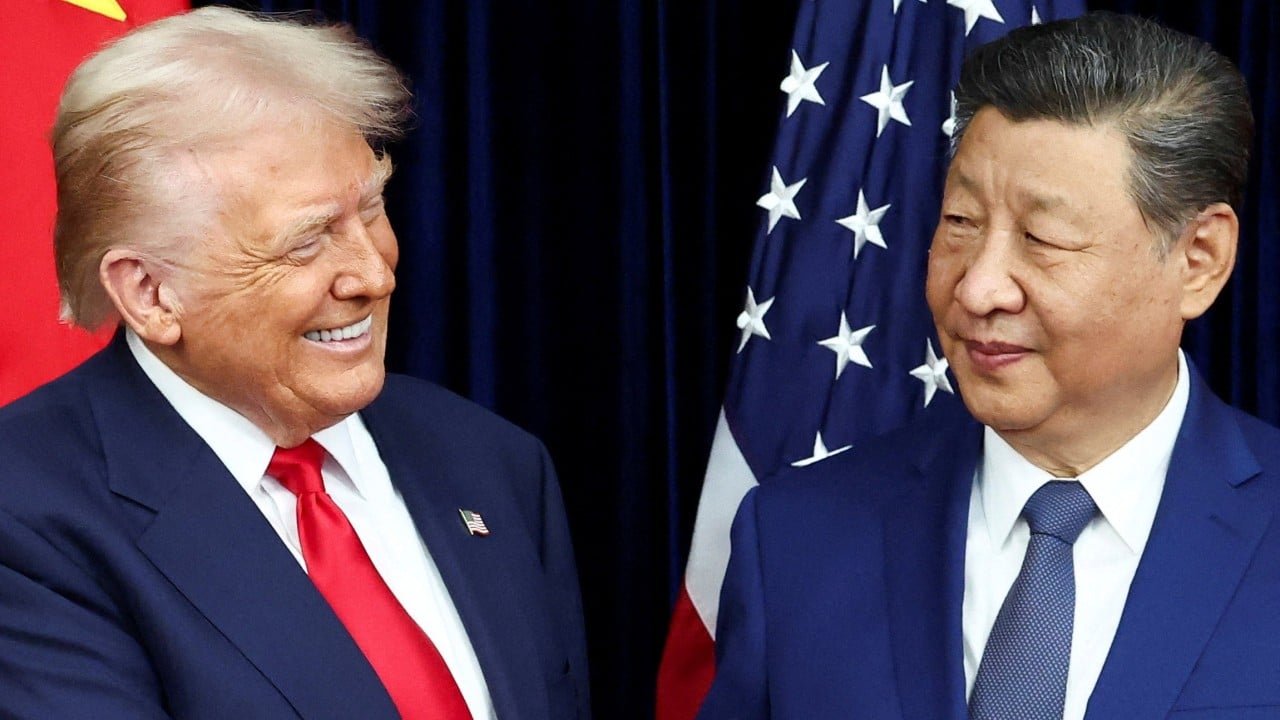
US-China Seek Minimum Stability After Severe Diplomatic Rift
The United States and China are striving to maintain limited stability despite deep strategic and political divisions. This cautious approach aims to prevent direct confrontation amid escalating tensions over trade, technology, and regional influence.
The United States and China are actively pursuing a minimal level of stability following a period of heightened friction marked by trade wars, technology bans, and geopolitical rivalry. Academics and former officials gathered at Tsinghua University in Beijing have emphasized the critical need to avoid open conflict and manage differences carefully.
This shift reflects a recognition that while significant disputes remain—particularly over issues such as South China Sea militarization and sanctions—the costs of direct military or severe diplomatic confrontation would be catastrophic. The postponed visit of then-US President Donald Trump, delayed by his focus on tensions with Iran, was widely seen as a missed chance to ease bilateral tensions.
The strategic significance lies in the global impact of US-China relations, which affect worldwide economic stability, regional security alliances, and the future of global governance frameworks. Both nations hold unmatched military capabilities and technological prowess, making the stakes for escalation extraordinarily high.
Technically, the confrontation has involved tariffs exceeding hundreds of billions of dollars, sanctions on leading Chinese tech firms like Huawei, and enhanced US naval patrols in contested waters. China has accelerated its military modernization, including advanced missile systems and cyber capabilities, evidencing a shift from purely economic to comprehensive strategic competition.
If both powers fail to maintain even minimal stability, international security risks intensify dramatically. The ongoing struggle for influence in Indo-Pacific regions, control over supply chains, and technological dominance could lead to unintended escalations, threatening the global order and catalyzing new conflict flashpoints.