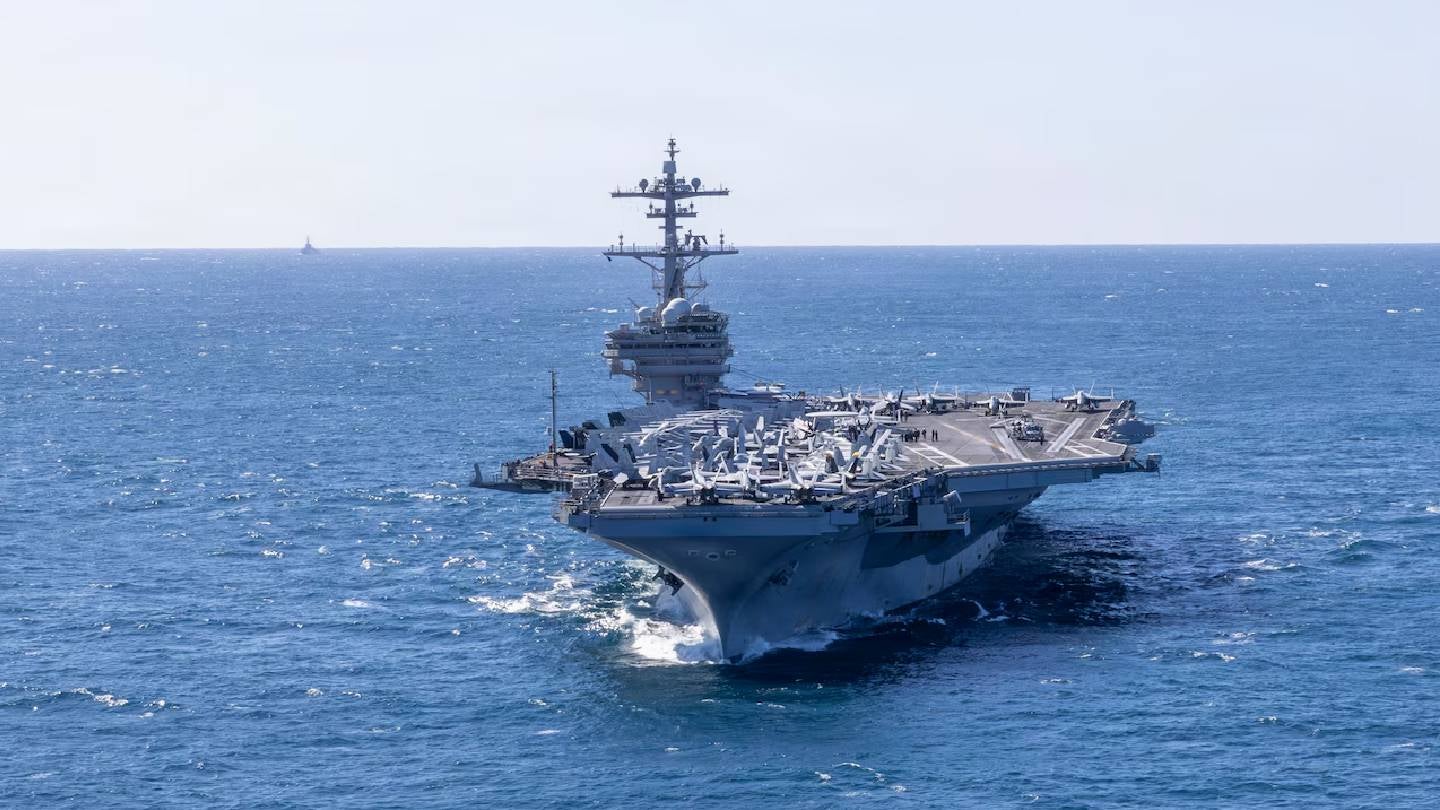
US Carrier Completes COMPTUEX, Poised for Middle East Deployment
The completion of COMPTUEX signals imminent US naval force projection into the Middle East, intensifying regional tensions. This move reflects heightened military readiness amidst escalating geopolitical threats in the area.
The United States Navy has confirmed the completion of a Composite Training Unit Exercise (COMPTUEX) by one of its aircraft carrier strike groups, indicating imminent preparation for deployment to the Middle East. The carrier’s operational readiness reflects escalating military commitments as regional threats, particularly from Iran, loom large. This exercise encompasses complex warfare scenarios designed to ensure the strike group's preparedness for potential combat operations.
In recent months, tensions in the Middle East have escalated due to a series of regional conflicts and increasing Iranian aggression, particularly surrounding its nuclear program and threats to shipping lanes in the Strait of Hormuz. The US has consistently focused military assets on deterring Iranian actions and safeguarding allies, leading to a reemphasis on maritime operations in the volatile region. The underlying threat of direct confrontation between US and Iranian forces has necessitated heightened naval preparedness.
This deployment underscores a strategic pivot towards the Middle East as US defense policy aligns with the need to counter adversarial actions and safeguard interests in the region. The bolstering of naval forces not only projects power but also sends a clear message to adversaries about the US commitment to regional stability. Escalations in military presence can alter the balance of power and provoke reactions from both regional allies and foes.
Key stakeholders in this development include the US Navy, Iranian military forces, and Gulf regional allies. The US aims to reinforce its commitment to Saudi Arabia and Israel, both of whom are under significant threat from Iranian missile capabilities and proxy forces in Lebanon and Syria. Iran, facing growing US sanctions and regional isolation, is likely motivated to counter any perceived threats while asserting its influence over key maritime routes.
The carrier strike group involved in COMPTUEX likely includes advanced platforms such as the Nimitz-class aircraft carrier, escorted by guided missile destroyers and submarines, capable of projecting power with a range of air and naval assets. The group is equipped with F/A-18 Super Hornets and other strike assets that can operate at significant stand-off ranges, emphasizing lethal capabilities. The readiness level achieved during COMPTUEX ensures the fleet can respond to any immediate threats within the region effectively.
The likely outcomes of this operation involve increased US military visibility in the Middle East, potential for engagement in conflict, and heightened risks of miscalculation with Iranian forces. The decision to deploy is influenced by the need to reassure allies while deterring further Iranian provocations, which could expand into broader conflicts. US naval operations may inadvertently escalate tensions even further among the various factions involved in regional hostilities.
Historically, deployments of naval strike groups to areas of heightened tension often foreshadow confrontations or engagements, as seen in Iraq and the Gulf Wars. The historical precedent indicates that such exercises and subsequent deployments are often catalysts for increased military activity or conflict in the region, where military postures quickly evolve amidst dynamic geopolitical landscapes.
Moving forward, it is critical to monitor the operational status of the carrier group, any Iranian responses to increased US naval presence, and the potential for further military maneuvers from allied forces. Intelligence indicators to watch include communications from both sides, troop movements, and military exercises in the region that could signal rising tensions or preparations for defensive postures.