US-backed Colombian mercenaries aid Sudan paramilitaries
Conflict Insights Group links UAE backing to Colombian mercenaries aiding Sudan's RSF. The findings imply broad foreign involvement with regional stability implications and defense policy considerations. The report urges tighter scrutiny of private military contractors and covert state activities for accountability.
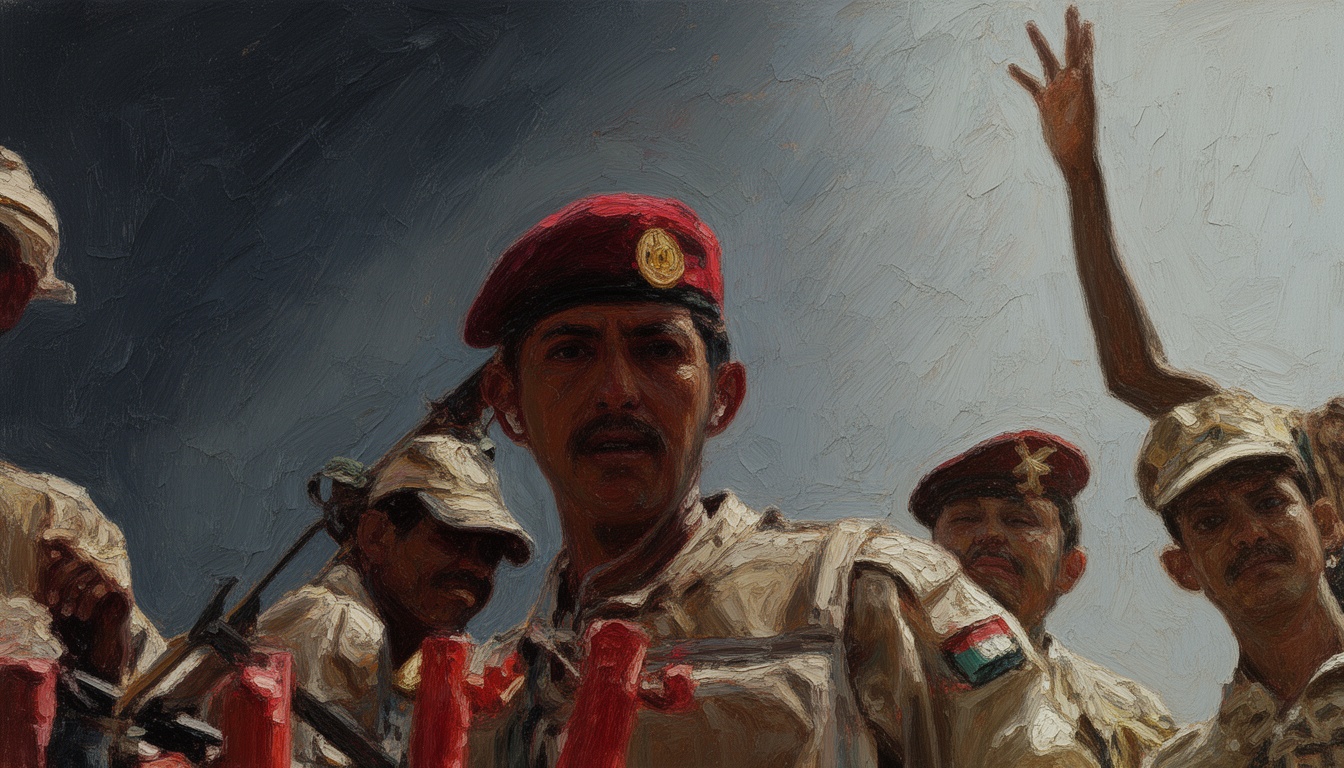
A UAE-backed group of Colombian mercenaries is reported to have provided support to Sudan's paramilitary forces. The claim, attributed to the Conflict Insights Group, describes a network of foreign operatives advising and assisting the RSF in specific operations and training roles. The report also outlines the scale of UAE involvement, suggesting a broader pattern of international engagement that could alter the regional balance of power. Observers warned that such covert support could complicate peace efforts and prolong the conflict.
Background shows these mercenaries have surfaced in other theaters where private military companies operate under foreign sponsorship. Critics argue that the use of mercenaries by state-linked proxies creates deniable leverage and escalatory risk, while supporters claim it fills capability gaps in exhausted armed formations. Sudan's crisis has drawn competing foreign interests, complicating diplomatic avenues and peace prospects. The report situates UAE within a broader pattern of pursuing influence through private actors.
Strategic significance centers on deterrence and escalation dynamics. If foreign mercenary involvement is real, it could boost RSF operational tempo and incentivize escalation. Regional powers will reassess risk thresholds and redlines, increasing military risk for neighboring states and international bodies. The situation raises accountability questions for state-sponsored private actors in conflict zones.
Technical and operational details include training roles, integration with RSF units, and possible procurement channels sustaining activities. The study highlights opaque contracting practices and limited disclosure, hampering verification. Official policies appear to intersect with private actor mobilization, complicating sanctions and oversight. Budgetary specifics remain undisclosed, underscoring the need for independent corroboration.
Likely consequences include prolonged instability in Sudan and heightened international attention on private military contracting. If confirmed, UAE-Colombian links could trigger recalibrations in regional alliances and stronger sanctions regimes. Analysts predict higher cross-border risk and amplified humanitarian and diplomatic repercussions as external actors deepen involvement.