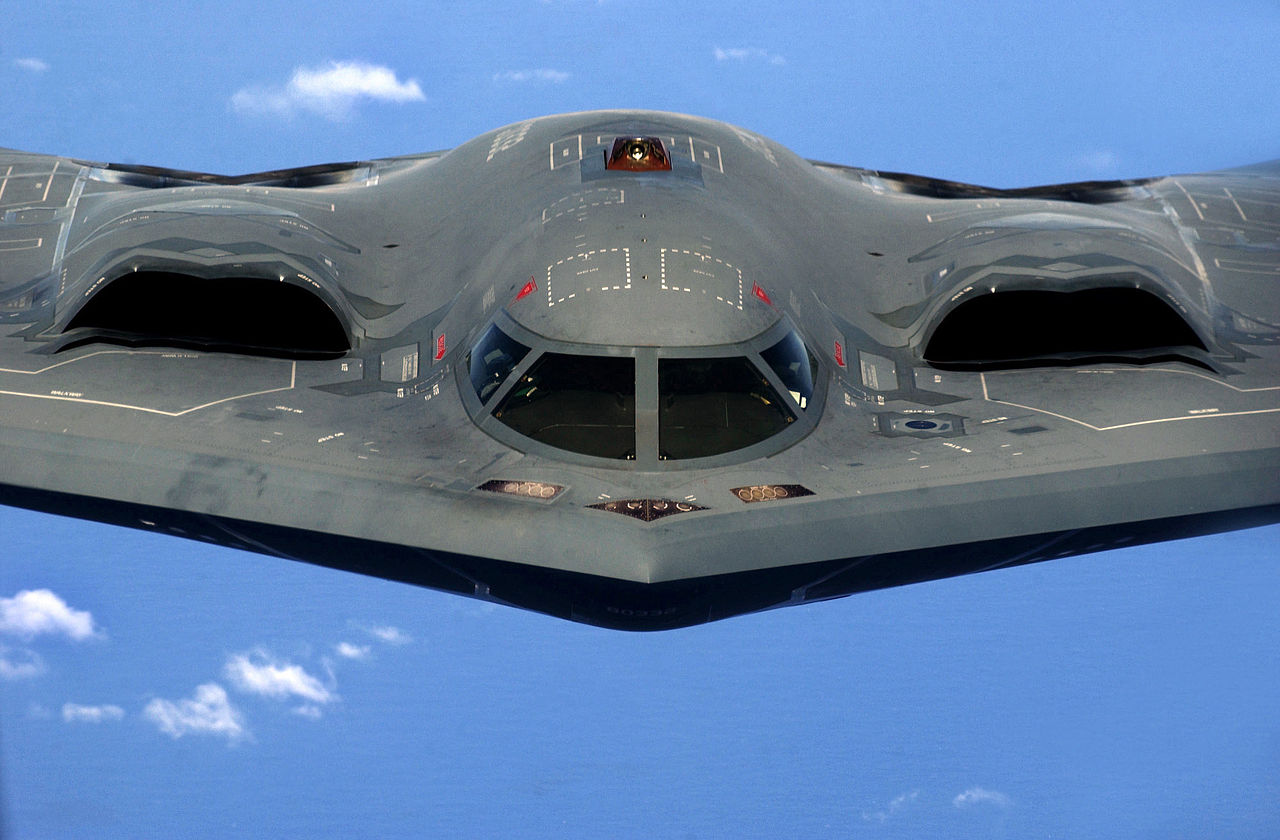
U.S. B-2 Bombers Launch Precision Strikes on Iranian Missile Sites
U.S. B-2 Spirit bombers have conducted strikes on Iran's ballistic missile capabilities, indicating a direct confrontation in the region. This operation underscores the escalating military tensions between the U.S. and Iran and highlights the operational reach of U.S. stealth assets.
In a provocative escalation of military engagements, U.S. B-2 Spirit stealth bombers have conducted precision strikes against Iranian ballistic missile facilities. This operation was confirmed by U.S. Central Command (CENTCOM) and involved a lengthy 37-hour nonstop flight from Whiteman Air Force Base in Missouri, illustrating the extensive operational range of these aircraft. The B-2 bombers delivered multiple guided munitions, with reports indicating the usage of GBU-31 bombs equipped with BLU-109 penetrator warheads, specifically designed to target hardened military infrastructures.
The U.S. military's history of confrontations with Iran has seen a steady increase in tensions since the U.S. withdrawal from the Joint Comprehensive Plan of Action (JCPOA) in 2018. Iran's continued development of its ballistic missile program, coupled with its aggressive regional influence, has prompted heightened U.S. military responses. This latest strike is a continuation of efforts to curtail Iran's missile capabilities, which represent a direct threat to U.S. interests and its allies in the Middle East.
The significance of this operation cannot be understated. The strikes not only demonstrate the U.S.'s commitment to neutralizing perceived threats in the region but also send a stark message to Iran and its proxies about the consequences of aggressive posturing. Additionally, this maneuver underscores the vulnerabilities of Iran's air defenses and its reliance on fortified military installations, suggesting potential weaknesses to be exploited in further confrontations.
Key actors in this high-stakes scenario include the U.S. military, which seeks to project power and deter Iranian aggression, and the Iranian leadership, which aims to uphold its sovereignty and regional influence. The reality for both sides involves complicated motivations: the U.S. intends to limit Iran's ballistic capabilities while Iran is determined to resist foreign interference and retain its military advancements.
Operationally, the B-2 Spirit bombers utilized for this mission are capable of delivering both precision-guided munitions and penetrating deep into hostile territory undetected. The GBU-31 bombs, known for their significant destructive power and accuracy, further indicate the U.S.'s readiness to engage in high-intensity conflict if necessary. With the capability to carry up to 40,000 pounds of ordnance, the B-2's capacity allows for a range of tactical options and showcases U.S. military technological superiority.
The immediate consequences of these strikes could lead to Iranian retaliation, escalating the conflict and drawing in regional actors. Iran's potential responses might include missile strikes on U.S. assets, proxy attacks on American allies in the Gulf, or a renewed effort to escalate its nuclear program as leverage in the ongoing U.S.-Iran tensions. The unpredictability of Iran's military doctrine could further complicate the situation.
This scenario reflects historical precedents, such as the 1981 Israeli airstrike on Iraq's Osirak nuclear reactor, which similarly aimed to thwart a regional adversary's military ambitions. Military action often breeds retaliation and cyclical escalations, and the current situation could mirror such patterns, where each side miscalculates its actions and responses in a volatile environment.
Going forward, the emergence of more aggressive military posturing and the potential for larger-scale operations should be closely monitored. Intelligence assessments will be crucial in tracking Iranian military movements, responses from U.S. and allied forces, and any shifts in regional alliances. The potential for further escalation remains high, and vigilance in repelling Iranian ballistic threats will remain a top priority for U.S. defense policymakers.