U.S. Army Struggles to Adapt Amidst Ukraine's Armored Warfare Innovations
Ukraine's advancements in armored battlefield tactics expose critical vulnerabilities in U.S. military doctrine. As Russia continues its offensive, a major shift in armored strategy is imperative to counter modern threats.
The ongoing conflict in Ukraine has instigated a crisis in armored warfare, compelling U.S. military leaders to reevaluate strategies designed for tank-heavy formations. Recent Ukrainian initiatives have demonstrated the efficacy of agile, hybrid tactics that utilize drones and rapid mobility against heavier armored units. This transformation marks a significant departure from traditional heavy armor approaches, as the U.S. Army grapples with the implications for its own operational doctrine.
Historically, the U.S. Army has maintained an emphasis on overwhelming firepower and heavy armor since the Cold War. However, the realities of the Russo-Ukrainian conflict have illuminated the limitations of this strategy, particularly in open combat where nimble units can exploit the weaknesses of traditional formations. Continuous shifts in warfare dynamics and lessons from the battlefield are spurring a reckoning in armored tactics, as the U.S. faces a redefined threat landscape.
The strategic significance of this development cannot be understated. Ukraine's innovative use of combined arms, integrating infantry, artillery, and drone warfare, has inflicted substantial losses on Russian forces, further destabilizing the region. The U.S., seeing its own armored doctrine lag behind modern requirements, faces critical risks in military readiness and effectiveness against peer adversaries like China and Russia that are observing and learning from these battlefield lessons.
Key actors in this reshaping of armored warfare include not only Ukrainian military leadership but also NATO allies who are closely monitoring the situation. The Ukrainian military, under constant pressure from Russian offensives, has revealed the necessity for adaptive combat strategies. In contrast, U.S. military officials risk being seen as overly reliant on outdated concepts and technology, scrambling to integrate newer tactics and systems into their training and logistics.
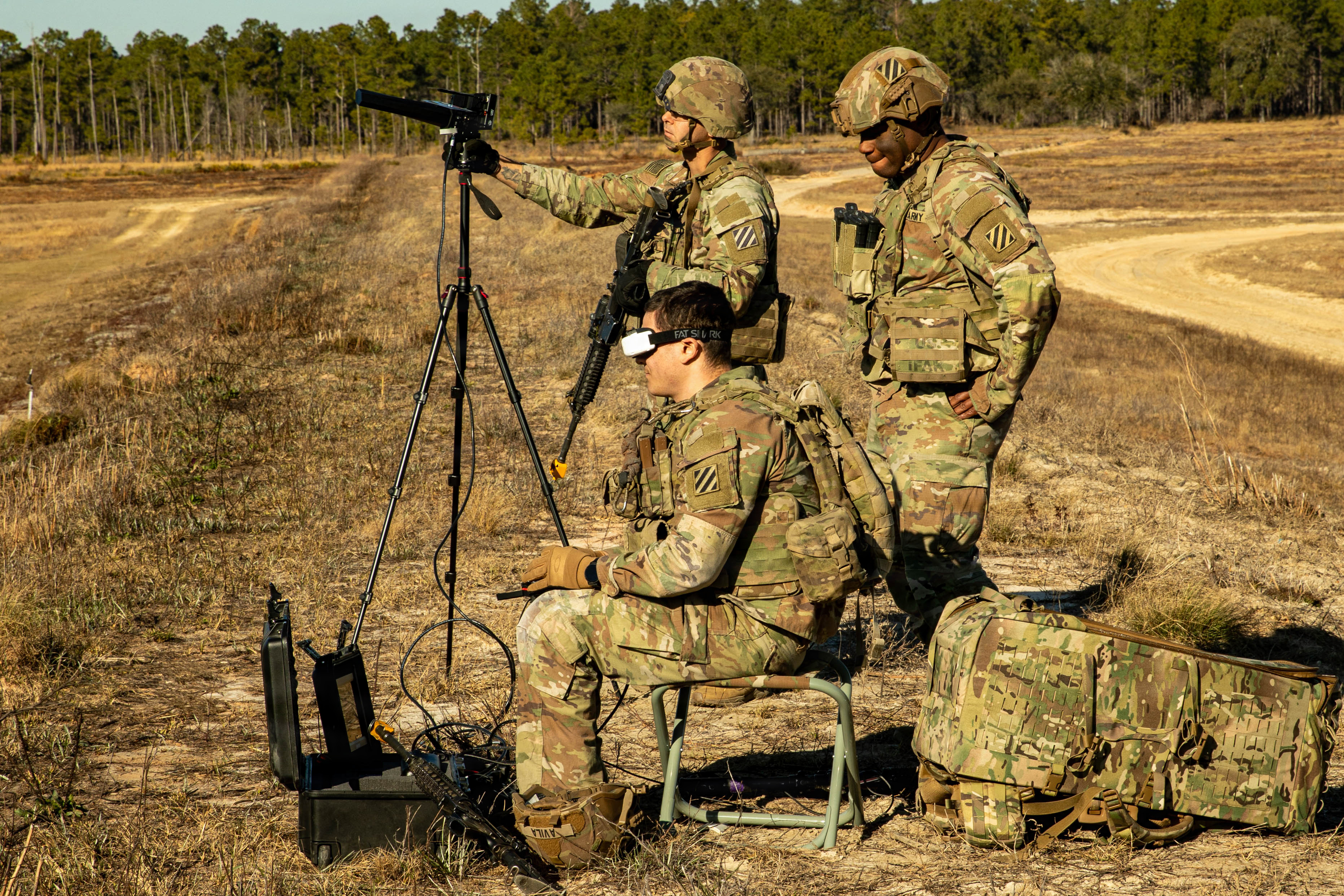
On the technical front, historical reliance on tanks such as the M1 Abrams is being re-examined, as Ukrainian forces emphasize lighter, more mobile units paired with sophisticated surveillance drones like the Bayraktar TB2. The financial implications are significant, with recent defense budgets highlighting the need for investment in technology that enhances operational flexibility, leading to potential shifts in funding priorities as the U.S. army recalibrates.
The likely consequences of this armored warfare evolution are profound, with potential for increased casualties and longer-lasting conflicts as countries adapt to new battlefield realities. If the U.S. fails to modernize its armored forces, it risks being outmaneuvered and outgunned in future confrontations, which could lead to a significant imbalance in global power dynamics.
Historically, rapid shifts in military strategy following significant conflicts are not unprecedented. The lessons learned from World War II's blitzkrieg tactics eventually prompted NATO to rethink Combined Arms Warfare. Parallels between this and the current trends in Ukraine suggest a broader global trend in military doctrine adaptations that could redefine warfare internationally.
Looking ahead, observers should remain vigilant about U.S. initiatives in armored vehicle research and development. Key indicators to monitor will include changes in defense expenditures, revisions to training protocols, and the potential introduction of next-generation technologies that can successfully integrate lessons learned from the Ukrainian frontlines and keep pace with evolving global threats.