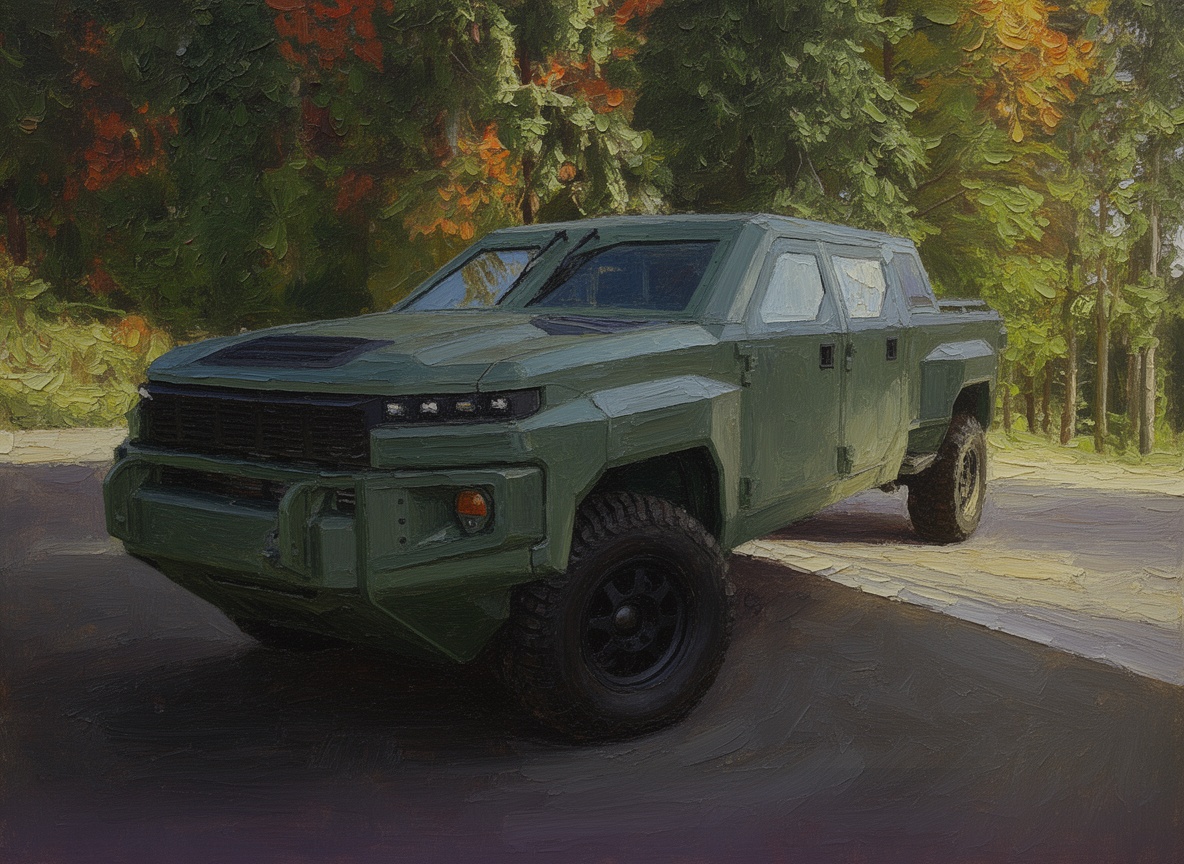
US Army Pursues Heavier, Hybrid-Powered Infantry Squad Vehicle
The Army is shifting the Infantry Squad Vehicle concept from a rapid troop mover to a more versatile platform. The ISV-H aims to expand mobility, survivability, and mission versatility beyond simple troop transport. This shift signals a broader modernization lane for light, rapidly deployable combat systems amid changing battlefield demands.
The core development: The Infantry Squad Vehicle program is moving beyond a pure mobility role. The original ISV was optimized to haul a nine-soldier squad quickly across varied terrain. The ISV-H variant is being positioned to perform additional tasks, potentially including increased firepower support, enhanced protection, and greater on-call versatility for dispersed infantry operations. The blunt aim is a more capable, survivable vehicle that can keep pace with evolving squad-level mission sets. This is a material pivot in how lightweight, rapidly deployable platforms contribute to brigade-level maneuver.
Background and context: The ISV lineage emerged from a need to compactly transport squads without relying on larger, heavier transport. In recent years, obstacles such as contested terrain, long-range fires, and the demand for quicker reconstitution have pressured light vehicles to do more with less. Hybrid propulsion enters the conversation as a way to balance range, cooling, and fuel efficiency with the demands of distant or elevated terrain. The ISV-H concept reflects a broader shift toward multi-capability platforms that can bridge gaps between mobility, protection, and fire support.
Strategic significance: If realized, the ISV-H could reshape light infantry logistics and dismounted maneuver doctrine. A heavier, more versatile ISV would extend the reach of squad-level operations into areas previously served by larger vehicles, potentially expanding operational depth while maintaining rapid response. The move aligns with multi-domain and distributed operations concepts, where mobility, survivability, and resupply at the edge become more critical against adversaries leveraging precision fires. The vehicle could also influence allied force structures that rely on light mobility for rapid intervention and expeditionary campaigns.
Technical and operational details: Specifics on armament, protection levels, and propulsion have not been disclosed, but the emphasis is clear: hybrid power to extend range and reduce signature, coupled with modular payload options. Payload configurations would likely include Integrated Communications and Observation kits, light crew-served weapons, and adaptable armor modules. The platform would need to balance weight growth with mobility, maintainability, and commonality with existing support and maintenance chains. Budget lines and procurement milestones remain to be announced as part of a broader modernization program.
Consequences and forward assessment: The ISV-H trajectory implies a broader acceleration of light-vehicle modernization across allied armies seeking similar capabilities. Operationally, squads could sustain longer patrols, execute rapid insertion with reduced logistical tails, and adapt to contested environments with improved survivability. If the concept proves viable, it may catalyze updates to training curricula, maintenance infrastructures, and interoperability standards for joint and allied forces. The next steps will determine whether ISV-H remains a modular upgrade path or matures into a core component of combined-arms maneuver at the squad level.