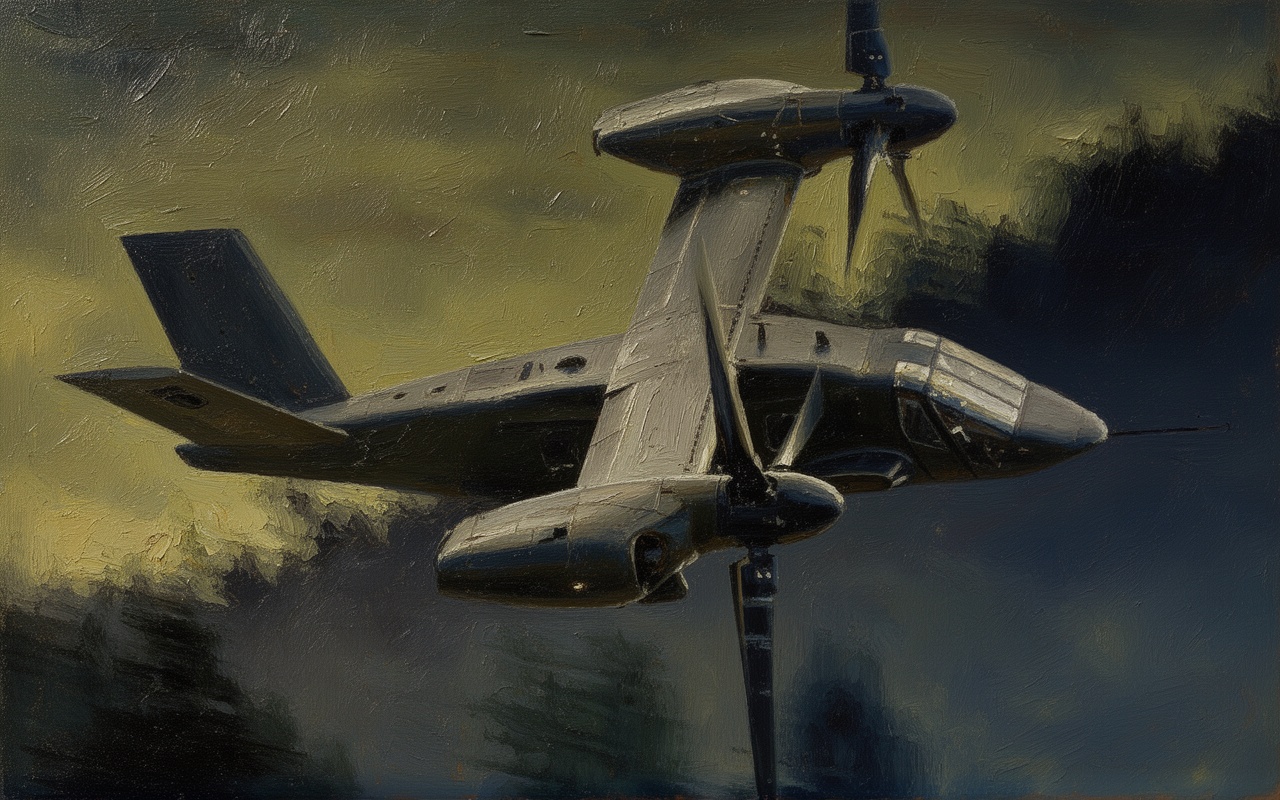
U.S. Army names new assault aircraft Cheyenne II
The Army revealed the Bell MV-75 will be named Cheyenne II in honor of Native American tribes. This marks a public branding move for the service’s latest assault aircraft. No further specifications were disclosed at announcement time.
The Army on Wednesday announced that its new assault aircraft, the Bell MV-75, will be called Cheyenne II in honor of Native American tribes. The naming aligns with a tradition of linking aircraft to culturally significant names, and signals an emphasis on heritage as the platform enters cataloging and branding phases. The exact operational role of the MV-75 remains to be detailed by program managers.
Officials provided the naming detail but did not release technical specifications or mission profiles for the MV-75. The briefing focused on symbolism and lineage rather than performance data. Analysts note that branding choices often accompany broader procurement milestones, including budget cycles and industrial partnerships, even before full test results are public.
Strategically, Cheyenne II serves as a public-relations statement about cultural engagement and internal credibility, while the Army continues to mature its rotorcraft modernization slate. The choice may influence congressional optics and tribal liaison narratives, potentially easing local and regional reception of the platform. However, real strategic impact will depend on the aircraft’s demonstrated capabilities and integration with joint forces.
From a technical standpoint, no new weapon loads, avionics suite details, or endurance figures were released in the announcement. The Army declined to release performance envelopes or production schedules at this stage. Observers will watch for subsequent briefings that tie the Cheyenne II to overarching modernization budgets and the wider fleet architecture.
Looking ahead, the naming event sets the stage for follow-on disclosures about the MV-75’s role, manufacturing decisions, and readiness timelines. If the program accelerates, Cheyenne II could begin public engagement campaigns, signaling renewed dissuasion and power projection messaging. The next few months will reveal whether this branding effort translates into tangible advance in capability and strategic signaling.