US Army Dumps 300kW Indirect Fire Laser Weapon Program
The U.S. Army cancels development of its 300-kilowatt Indirect Fire Protection Capability-High Energy Laser, abandoning its most potent directed-energy weapon. This decision signals a major shift in strategic priorities for countering aerial and missile threats with high-energy lasers.
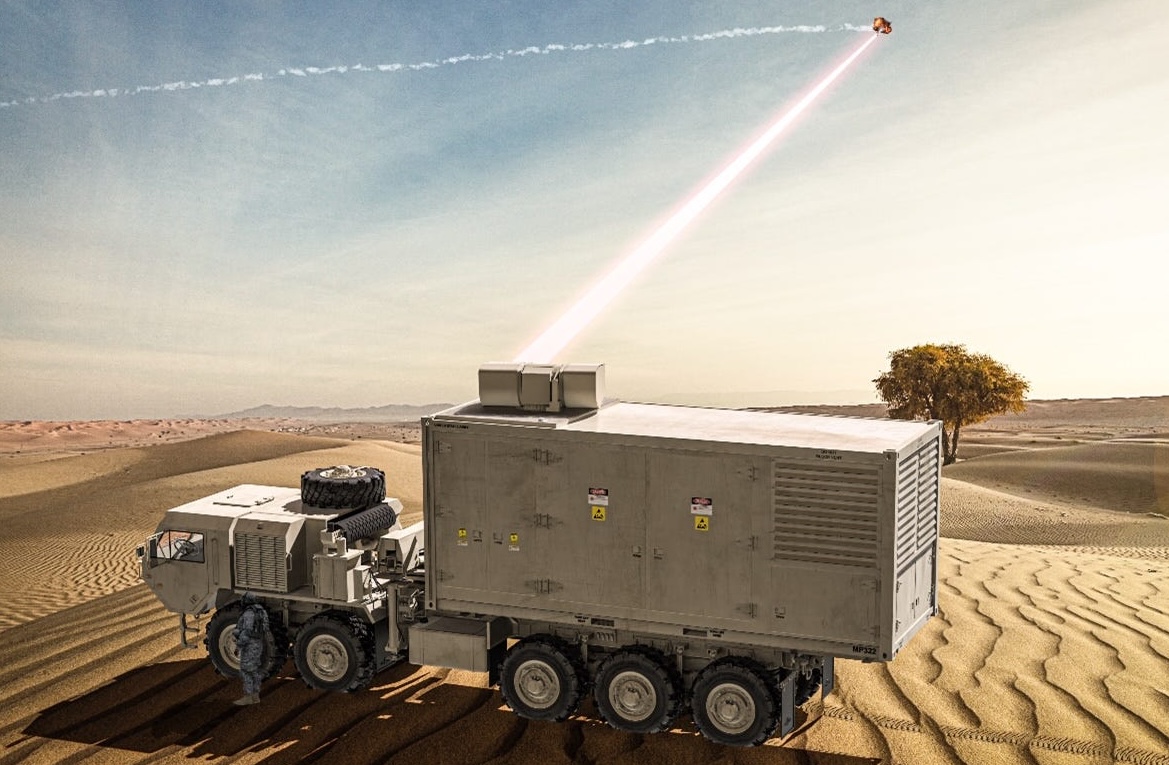
The U.S. Army officially terminated the Indirect Fire Protection Capability-High Energy Laser (IFPC-HEL) program, which featured a 300-kilowatt laser system designed to counter rockets, artillery, and mortar fire. This move ceases efforts to field one of the most powerful directed-energy weapons within the Army’s arsenal.
IFPC-HEL was procured to provide close-in defense against short-range aerial threats with a scalable energy weapon capable of precision engagement. The program aimed to deliver rapid, cost-effective neutralization of incoming projectiles, enhancing brigade-level protection.
Strategically, the cancellation reflects doubts over the program’s integration feasibility, cost, and effectiveness amid evolving air defense architectures. It underscores a reassessment of directed-energy weapon priorities as the Pentagon reallocates funds toward mixed-technology approaches, including kinetic interceptors and emerging hypersonic defenses.
Technically, the 300kW laser was among the highest-powered mobile systems pursued by the Army, employing solid-state laser technology with sophisticated beam control and targeting. It was slated for mounting on heavy vehicles to engage threats beyond limited-range conventional interceptors.
Going forward, the Army may pivot to smaller, more adaptable laser systems or invest in alternative counter-rocket, artillery, mortar technologies. The decision may slow U.S. advances in high-energy laser weapons amid increasing global competition in directed-energy combat capabilities.