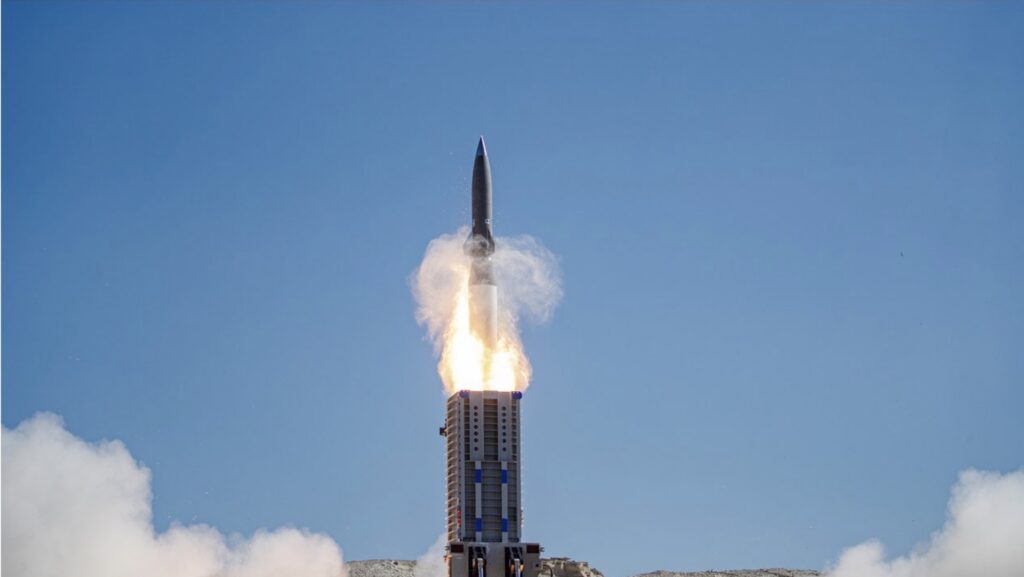
US Approves $340M Hypersonic Missile Support for Japan
The US State Department approved $340 million Foreign Military Sale to assist Japan's hypersonic missile testing. Japan plans to invest $769 million in hypersonic glide vehicle development next fiscal year, signaling intensified regional arms competition.
The US State Department has approved a $340 million Foreign Military Sale (FMS) request to support Japan's hypersonic missile test programs. This support includes technical assistance and testing infrastructure to enhance Japan's advanced strike capabilities. The move marks a significant step in US-Japan defense cooperation amid regional security tensions.
Japan announced it will allocate $769 million in its defense budget for the development and deployment of hypersonic glide vehicles (HGVs) starting April 1 in the next fiscal year. This earmarked funding underscores Tokyo’s commitment to developing cutting-edge weapons systems as part of its defense modernization efforts. Hypersonic missiles are considered game changers in modern warfare due to their speed and maneuverability.
The strategic significance hinges on Japan’s shift toward countering growing threats from China and North Korea. Hypersonic strike weapons offer Japan the ability to counter advancing missile technologies with faster, harder-to-intercept platforms, potentially altering the regional balance. US support accelerates Japan’s capabilities and signals deeper security ties amid US-China rivalry.
Operational details reveal the package supports various aspects of missile testing, including telemetry, target drones, and tracking systems. Hypersonic glide vehicles are designed to fly at speeds greater than Mach 5 and maneuver during flight, complicating enemy defense. Japan’s planned deployment would place it among a limited number of states fielding hypersonic strike weapons.
Going forward, this development is likely to contribute to an arms race in East Asia as China continues expanding its own hypersonic arsenal. It also highlights US commitment to bolstering allies' advanced capabilities to counter regional rivals. Analysts predict increased military tensions over missile technology proliferation and emerging deterrence postures in the Indo-Pacific region.