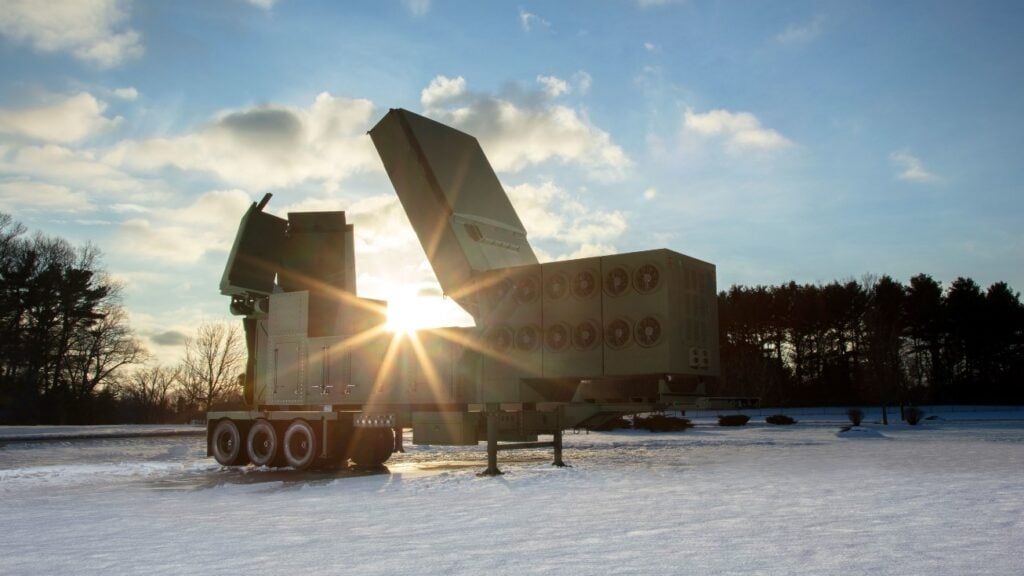
US Approves $16.4B Emergency Radar, Missile Sales to Gulf States
The US has authorized $16.4 billion in urgent air defense sales to Kuwait and the UAE, bolstering missile radar and intercept capabilities in a region rife with Iranian threats. This massive arms transfer marks a strategic escalation amid Gulf security tensions and competitive power projection.
The United States government has approved over $16 billion in emergency military sales comprising advanced radar and missile defense systems destined for Kuwait and the United Arab Emirates. This includes $8 billion worth of sophisticated radar equipment for Kuwait and $8.4 billion in assorted air defense weapons for the UAE. These transactions are intended to significantly enhance the defensive posture of both Gulf states against missile threats.
The Middle East remains a hotspot for military competition and proxy conflicts, especially involving Iran’s ballistic missile program and regional rivalries. Kuwait and the UAE have been key partners for Washington, often facing threats from Iranian-backed forces and missile intrusions. The accelerated arms deals reflect growing US commitment to shoring up Gulf security while maintaining influence in a volatile theater.
Strategically, the infusion of advanced radar systems and interceptor missiles elevates the capability of these small but economically vital Gulf states to detect, track, and neutralize hostile missile launches. Enhanced air defense architecture complicates Iranian power projection and increases the defensive shield protecting critical oil infrastructure and population centers. This shifts the regional balance by denying easy missile access and encouraging deterrence through technological superiority.
Operationally, the sales likely include radar arrays with long-range detection capabilities and integrated battle management systems, dovetailing with advanced surface-to-air missile batteries such as Patriot or newer systems. The complex logistics and training involved highlight a comprehensive upgrade tailored for quick deployment under emergent threat conditions. The scale of $16.4 billion underscores the volume of equipment and the priority level assigned by US defense diplomacy.
Going forward, these arms sales signal an escalation in the Gulf's defensive buildup and could prompt Iran to accelerate its own missile developments or asymmetric warfare tactics. The deals also underscore Washington’s intent to counterbalance China and Russia’s growing defense interests in the region. However, further militarization risks destabilizing the fragile security environment, potentially igniting new conflict flashpoints in the already volatile Middle East.